On this page
Quick profile
- Name
- Miyairi Kozaemon Yukihira HD
- Kanji and reading
- 宮入小左衛門行平 (Miyairi Kozaemon Yukihira) HD
- Birth
- 1957, in Sakaki (Nagano); second son of 宮入行平 (Miyairi Yukihira) AT
- Where he forges
- Sakaki (坂城, Sakaki), Nagano prefecture AT
- Masters
- His father, Miyairi Yukihira, Living National Treasure; on his death in 1977, 藤安将平 (Fujiyasu Masahira), his father’s senior pupil AT
- School or tradition
- 相州伝 (Sōshū-den), in the line of 志津兼氏 (Shizu Kaneuji) AT
- Licence
- 1982 AT
- Rank
- Mukansa (無鑑査, mukansa) since 2000 AT
- At the NBTHK Gendai Tōshokuten
- Does not exhibit from 2021 to 2026 HD
In short
He began forging with his father in the year his father died, 1977, and continued with his father’s senior pupil. He obtained his licence in 1982, won the Takamatsu-no-miya prize six times and was named mukansa in 2000. The NBTHK chose a tachi of his from 2000 for the second prize of its 2019 exhibition devoted to the finest works of the Heisei era. He does not appear in the Gendai Tōshokuten catalogues from 2021 to 2026, and there is no public record of his having lost the rank.
Sections
-
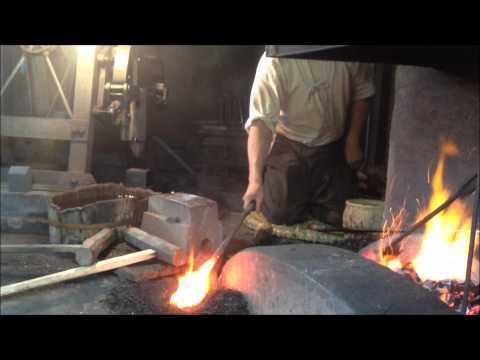 The Miyairi family of Sakaki
Life and forging
His father, his apprenticeship, the change of name and his dojo.
-
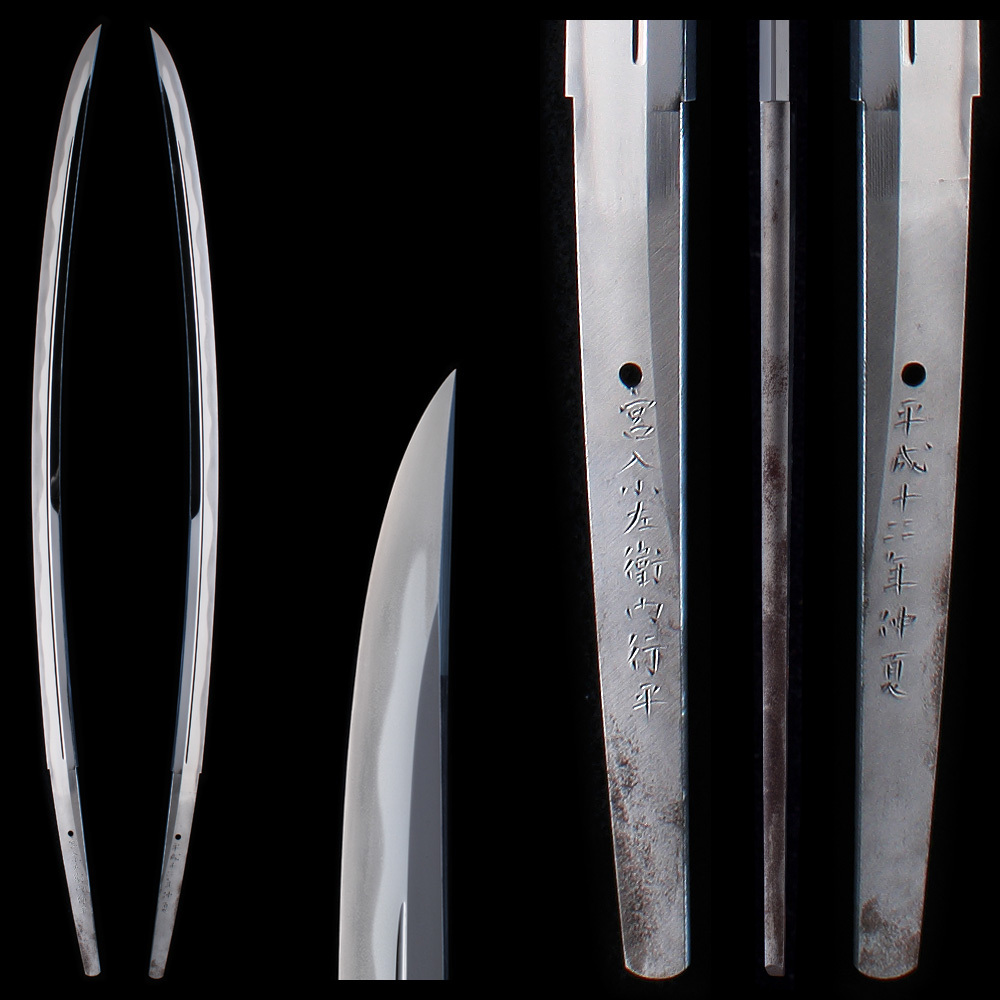 His own Sōshū
Work and style
The Sōshū-den of Shizu Kaneuji and his notable works.
- Six Takamatsu prizes and mukansa Prizes Each prize with its year, its competition and its level of evidence.
-
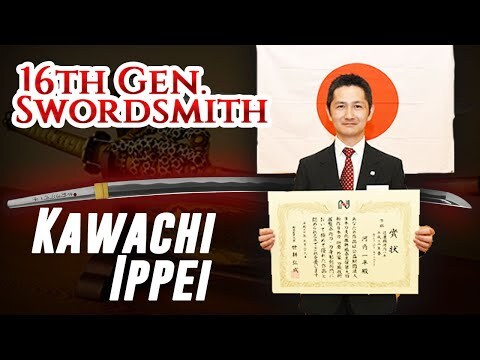 His Sakaki dojo
Videos
Two videos of his dojo.
- Bibliography and credits Sources The sources consulted and the image credits.