
On this page
Quick profile
- Name
- Kanehira, of the Ko-Bizen; he signs 包平 (Kanehira) and, on two tachi, 備前国包平作 (Bizen no kuni Kanehira saku) HD
- Kanji and reading
- 包平 (Kanehira) HD
- Period
- Late Heian period, around the Genryaku era (1184-1185); two dictionaries place him in the mid-Heian AT
- Province
- Bizen (備前, Bizen) AT
- School
- Ko-Bizen (古備前, Ko-Bizen), the smiths of Bizen before the Ichimonji school; one of the “three Hira” (sanpira) with Takahira and Sukehira AT
- Generations
- Probably several smiths of the same name: this explains why two tachi bear the long signature and the rest the short one AT
- Documented fact and tradition
- Documented: the Ōkanehira and other signed tachi. Tradition: the swords of Go-Toba and of Minamoto no Yoritomo attributed to him AT
In short
He is the leading name of the first phase of the Ko-Bizen. No work by Takahira survives and only a single tachi by Sukehira, whereas quite a few by Kanehira are preserved.
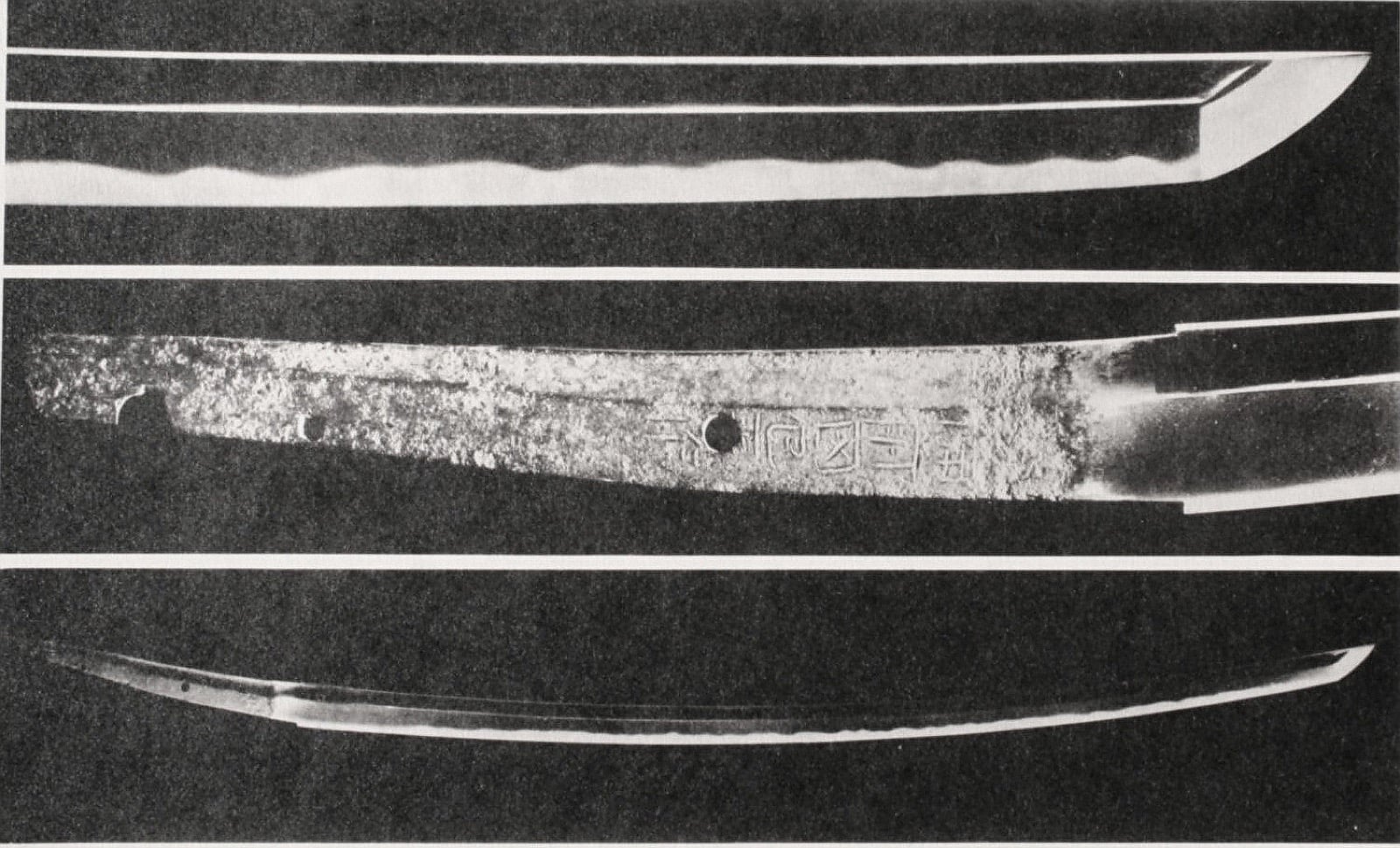
The Ōkanehira, signed 備前国包平作 (Bizen no kuni Kanehira saku), has a blade of 89.2 cm. It has been a National Treasure since 1951, is recorded in the Kyōhō meibutsuchō (享保名物帳, Kyōhō meibutsuchō) and was in the Ikeda house of Okayama as the favourite sword of Ikeda Terumasa; today it is in the Tokyo National Museum. With the Dōjigiri Yasutsuna it is called “the two yokozuna of East and West”.
Sections
-
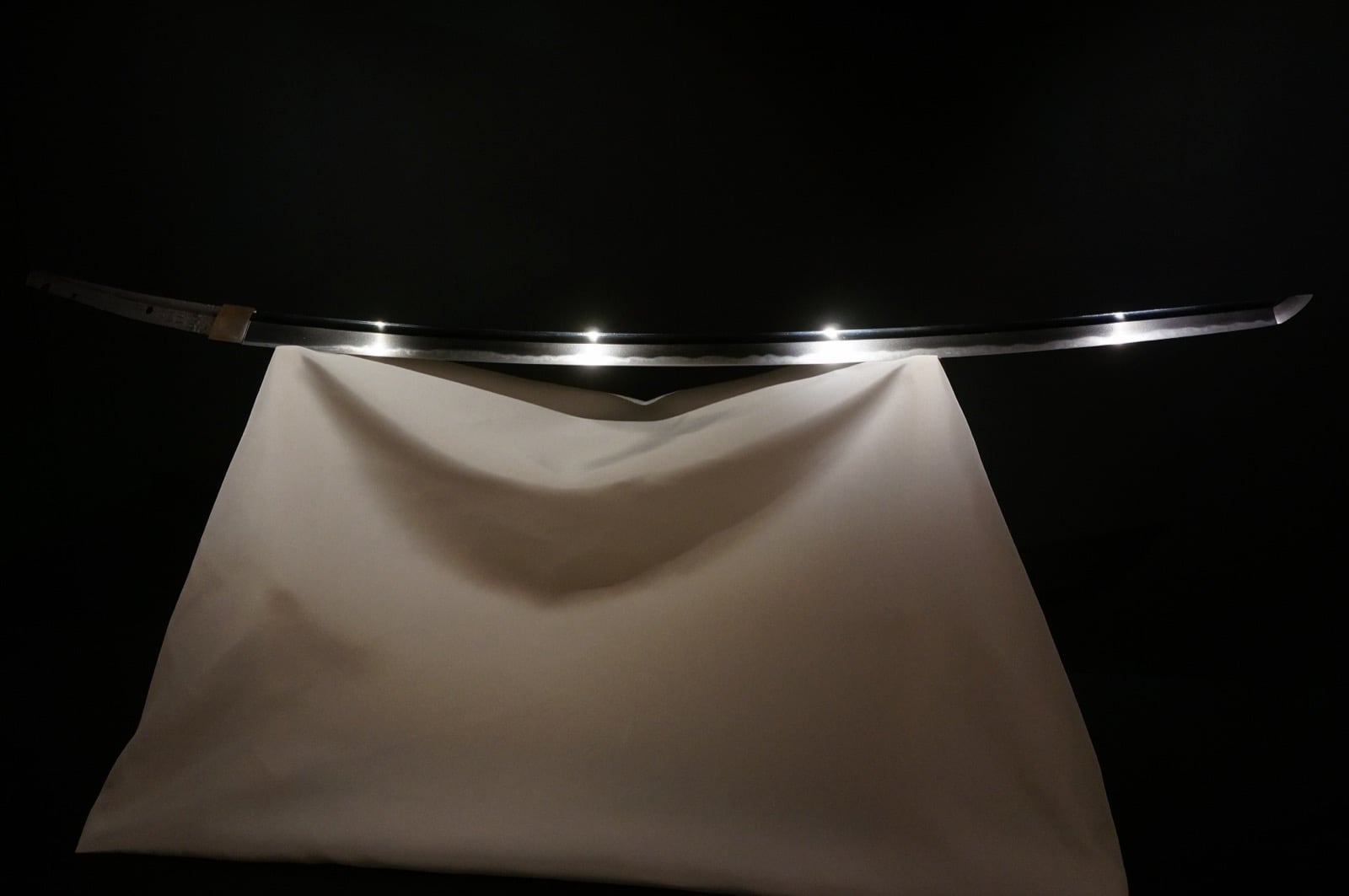 The “three Hira” of Bizen
Life and times
The Ko-Bizen, the long signature and the short one, and the swords that tradition attributes to him.
-
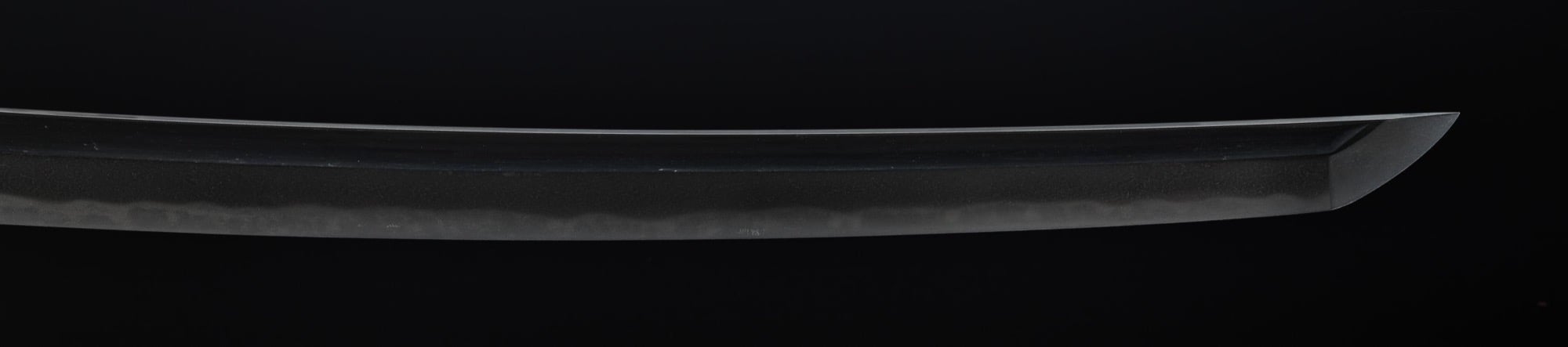 Long, slender and light
Work and style
Sugata, jihada, hamon, bōshi, nakago and mei: the keys to recognising him.
-
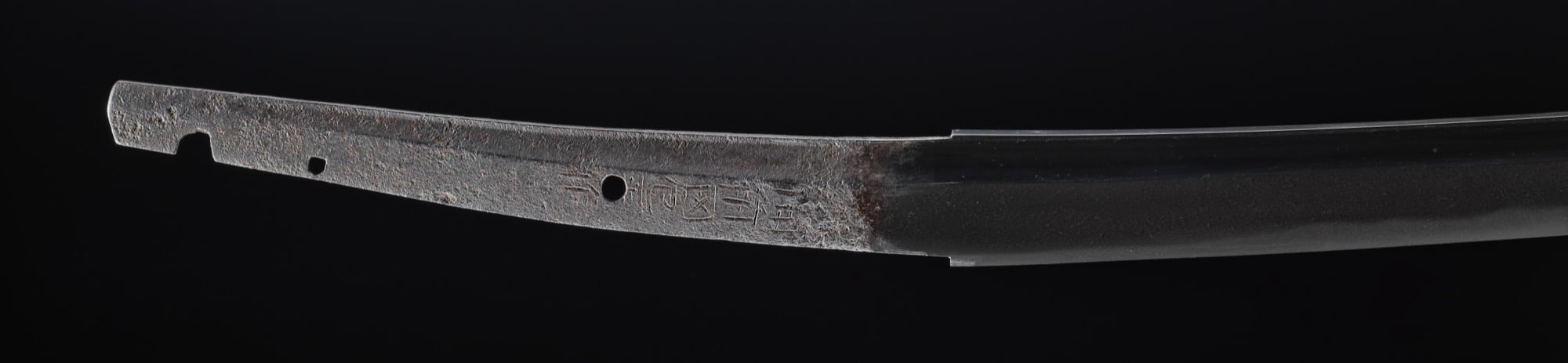 The Ōkanehira and other tachi
Famous works
The Ōkanehira, its place in the Kyōhō meibutsuchō and other signed tachi.
-
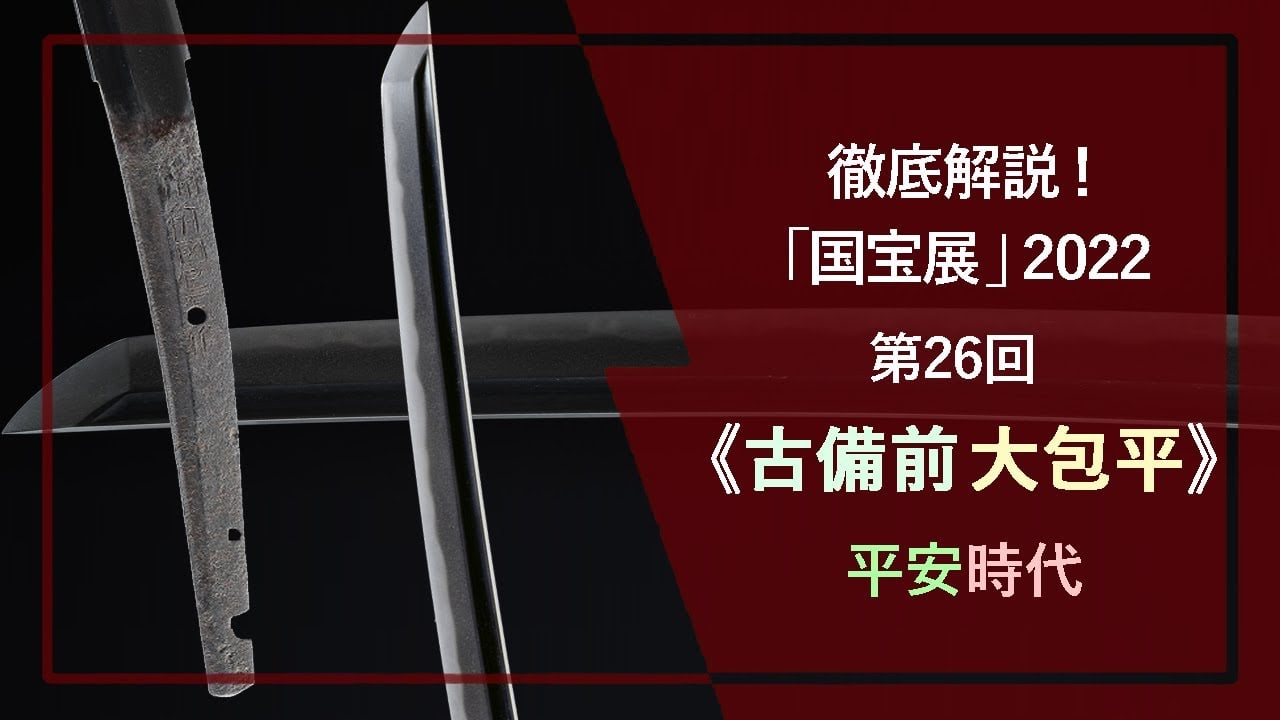 The Ōkanehira, on display
Videos
Three videos of the Ōkanehira.
-
 Bibliography and credits
Sources
The sources consulted and the image credits.