On this page
Quick profile
- Name
- Kawachi Kunihira HD
- Kanji and reading
- 河内國平 (Kawachi Kunihira) HD
- Birth
- 1 October 1941, in Osaka; second son of the 14th 河内守國助 (Kawachi-no-kami Kunisuke) AT
- Where he forges
- Higashi-Yoshino (東吉野, Higashi-Yoshino), Nara prefecture, since 1972 AT
- Masters
- Miyairi Akihira (宮入昭平, Miyairi Akihira), later Yukihira; from 1984, Sumitani Masamine AT
- School or tradition
- Sōshū-den and Bizen-den; since 1995, also Yamato-den (大和伝, Yamato-den) AT
- Licence
- No year in the sources consulted PC
- Rank
- Mukansa (無鑑査, mukansa) since 1988; exhibits as such at the Gendai Tōshokuten from 2021 to 2026 HD
In short
The son of a lineage of Osaka smiths, he studied Law and became an apprentice of Miyairi Akihira, who taught him the Sōshū-den. In 1972 he opened his forge in Higashi-Yoshino; in 1984 he became a pupil of Sumitani Masamine to learn the Bizen-den, and in 1988 he was named mukansa. He has forged tachi and spears for the Ise shrine, has been an intangible cultural property of Nara prefecture since 2005 and in 2014 won the Masamune Prize, the first in his division in eighteen years. The NBTHK chose that tachi for the grand prize of its 2019 exhibition devoted to the finest works of the Heisei era, and he goes on exhibiting as mukansa every year.
Sections
-
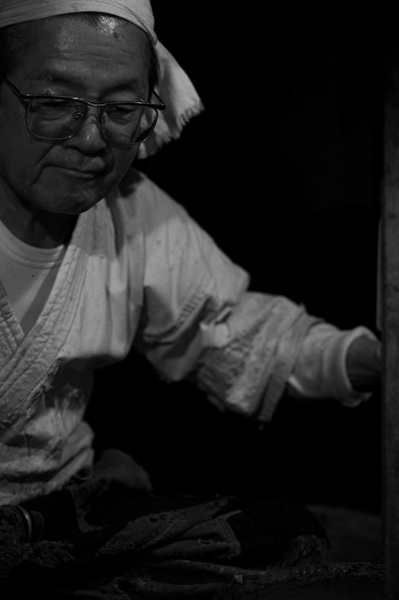
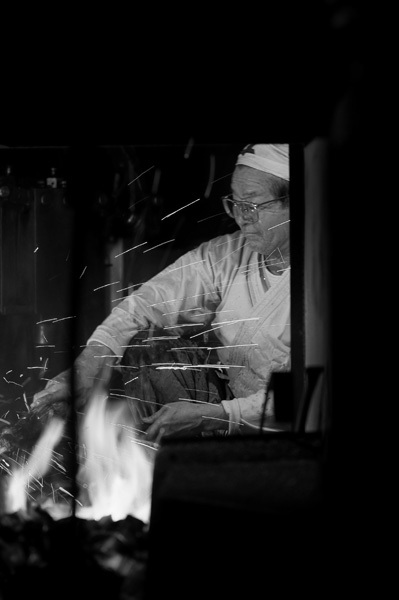 From Osaka to Higashi-Yoshino
Life and forging
His training with Miyairi and Sumitani, his Nara forge and his public commissions.
-
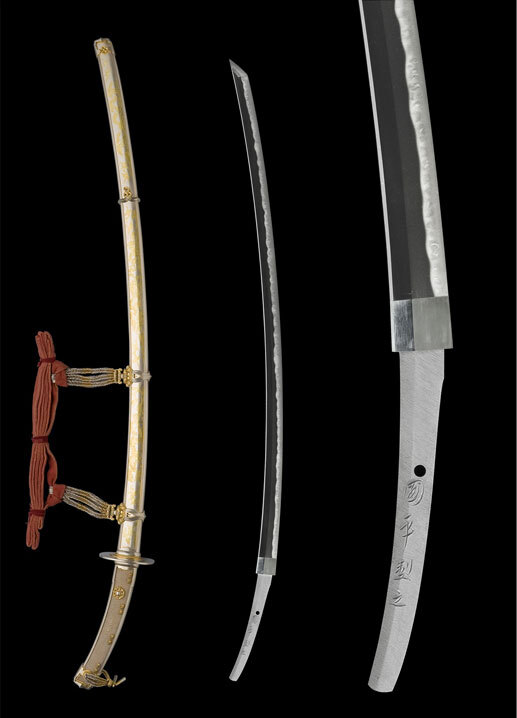 Three traditions and the utsuri
Work and style
Sōshū, Bizen and Yamato, the recovered utsuri and a gallery of works.
-
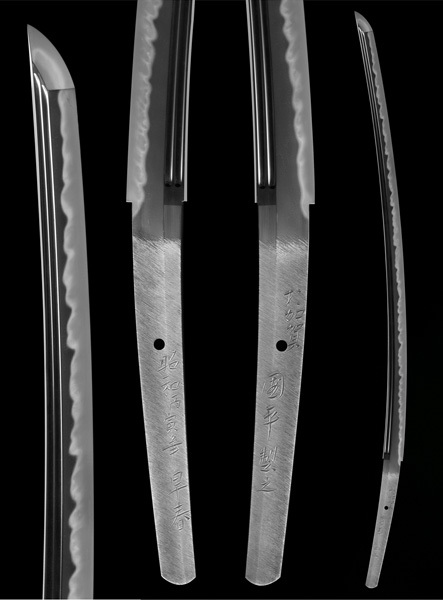 From the Satō Eisaku to the Masamune
Prizes
Each prize with its year, its competition and its level of evidence.
-
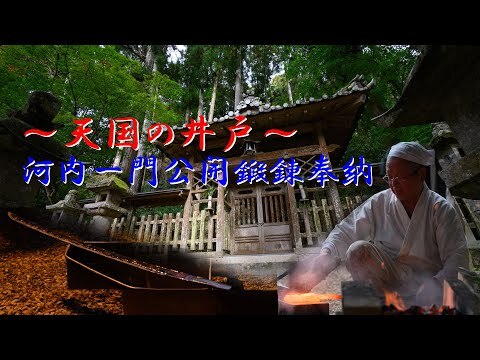 Reports and forging
Videos
Seven videos in which he appears.
-
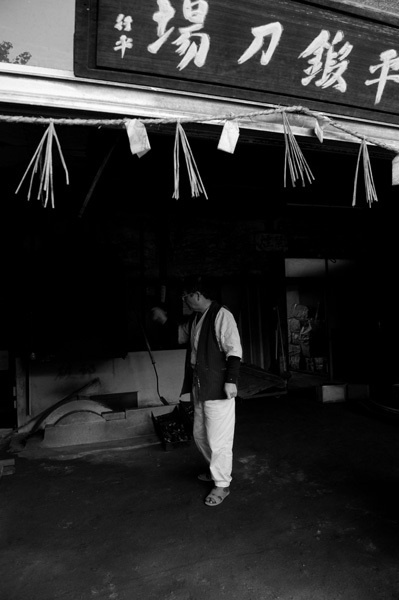 Bibliography and credits
Sources
The sources consulted and the image credits.