On this page
Quick profile
- Name
- Masatsune; he is called Ko-Bizen Masatsune to tell him apart from the Masatsune of the Ko-Aoe of Bitchū AT
- Kanji and reading
- 正恒 (Masatsune) · 古備前正恒 (Ko-Bizen Masatsune) HD
- Period
- End of the Heian, with unknown dates; there are tachi with his signature that look like the beginning of the Kamakura AT
- Province
- Bizen AT
- School
- Ko-Bizen, the oldest Bizen school, with Tomonari as the other great name AT
- Master and generations
- The sources consulted give him no master. Because of the differences in style and signature, the museums that keep his tachi think that there were several swordsmiths called Masatsune. AT
- Documented fact and tradition
- Documented: his signed tachi, with their official record and their measurements. Tradition: the seven forms of “tsune” in his signature and the sword Nawakiri Masatsune of Sasaki Takatsuna. AT
In short
What we know. The database of the Agency for Cultural Affairs (文化庁, Bunkachō) lists four tachi signed “Masatsune” that are National Treasures (国宝, kokuhō), at the Tokugawa Art Museum, the Fukuyama Museum of Art and the national museums of Tokyo and Kyoto, and three that are Important Cultural Properties (重要文化財, jūyō bunkazai). The Japanese Wikipedia counts five National Treasures.
How we know it. From the official records of those blades, which describe their shape, their temper and their signature. His life is summarised by the encyclopaedias and by those same records.
What we do not know. His dates, his master and how many swordsmiths signed “Masatsune” in Bizen.
Sections
- Ko-Bizen · one or several Masatsune · the Nawakiri Life and times The oldest school of Bizen, why it is thought that there were several Masatsune and what is only tradition.
- Koshizori · ko-itame · suguha with ko-midare Work and style The kantei keys of his tachi, taken from the official records, and how he differs from Tomonari.
-
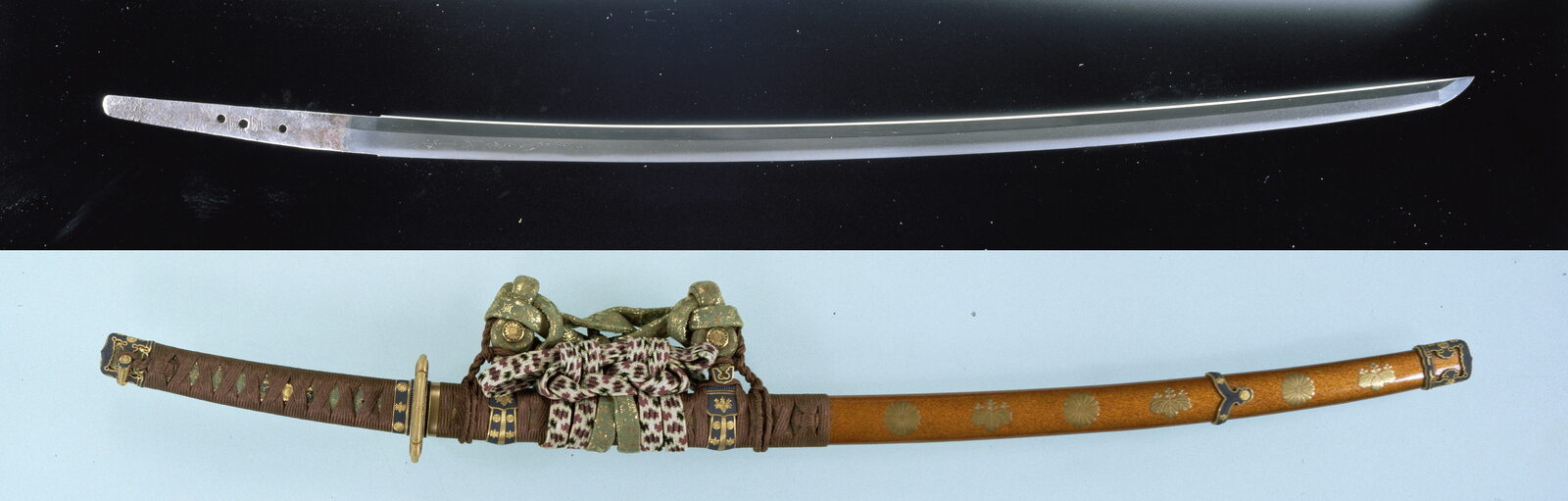 Kokuhō · jūyō bunkazai · museums
Famous works
His tachi that are National Treasures and Important Cultural Properties, where they are and what the record of each one says.
-
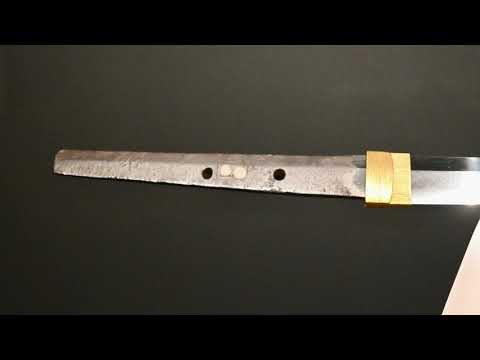 At the Tokyo National Museum
Videos
Three videos by visitors with his National Treasure tachi on display at the Tokyo National Museum.
- Bibliography and credits Sources The sources consulted on 4 October 2026, with their link, and the credit for each image.