On this page
Quick profile
- Name
- Minamoto Masao HD
- Kanji and reading
- 源正雄 (Minamoto Masao) HD
- Period
- Shinshintō, late Edo period: Hakodate blades of 1858 and 1859 HD
- Province
- Worked in Edo, in Musashi, and from 1858 to 1860 in Hakodate, in Ezo (today Hokkaidō) AT
- School
- That of Kiyomaro HD
- Master
- Minamoto Kiyomaro (源清麿, Minamoto Kiyomaro), of whom he was a leading pupil (高弟, kōtei) HD
- Title
- None known PC
- Generations
- One: no other generation with this name is recorded in the sources consulted PC
- Who he is confused with
- With Yamaura Saneo (山浦真雄), Kiyomaro’s elder brother, whose name is also read Masao AT
- Documented fact and tradition
- Documented: his civil name, his relationship with Kiyomaro and the 1859 katana, from the state record and the museum’s. Tradition: the reason for his journey to Hakodate, which the state record relates as “it is said”. Neither his origin nor his dates are recorded. AT
In short
The state record on Bunka Isan Online presents him as a leading pupil of Minamoto Kiyomaro, whom it calls the greatest smith of late Edo, and gives him his civil name. According to the same record, it is said that he arrived in Hakodate in 1858 at the invitation of the magistrate Hori Oribe no Shō (堀織部正), who wanted to promote industry in Ezo, and that he forged there for three years with iron sand from the Shiriuchi coast. His swords are few: those from Hakodate are mostly dated 1858, and those of 1859 are rare.
Sections
-
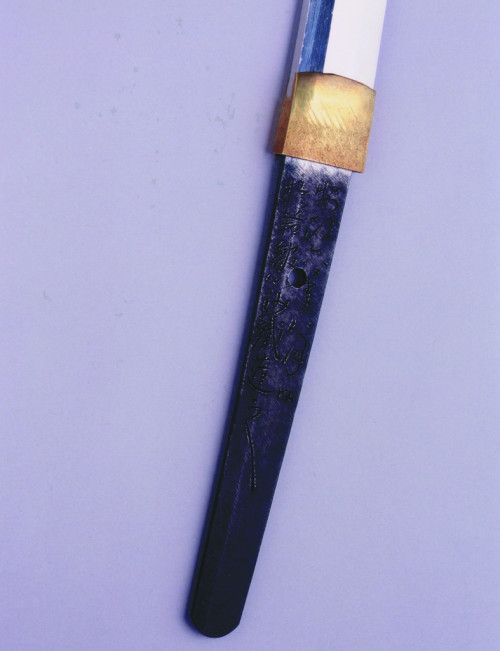 From Edo to Hakodate
Life and times
The Kiyomaro school, the three years in Hakodate and the two Masao.
-
 What is known
Work and style
The shape, the signature and what is not recorded.
-
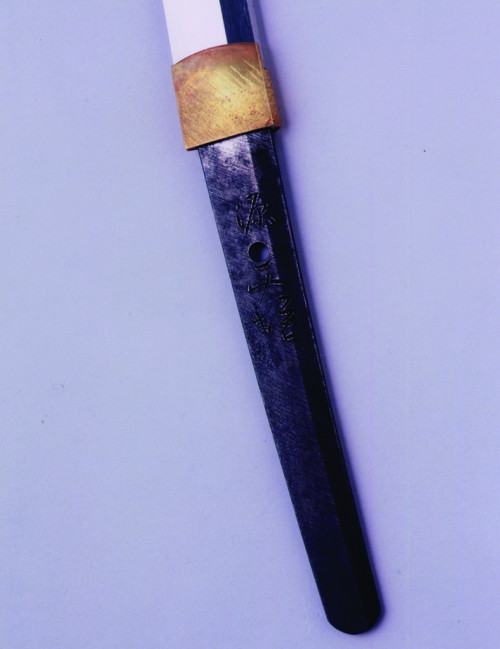 In museums
Famous works
The Hakodate katana, a cultural property of Hokkaidō.
-
Bibliography and credits
Sources
The sources consulted and the image credits.