Rai Kunimitsu
来国光 (Rai Kunimitsu)
Lineage: the signature does not state the generation
According to tradition, son and successor of Rai Kunitoshi at the head of Kyoto's Rai school, active from the end of the Kamakura into the Nanbokuchō period; three of his works are national treasures.
Profile
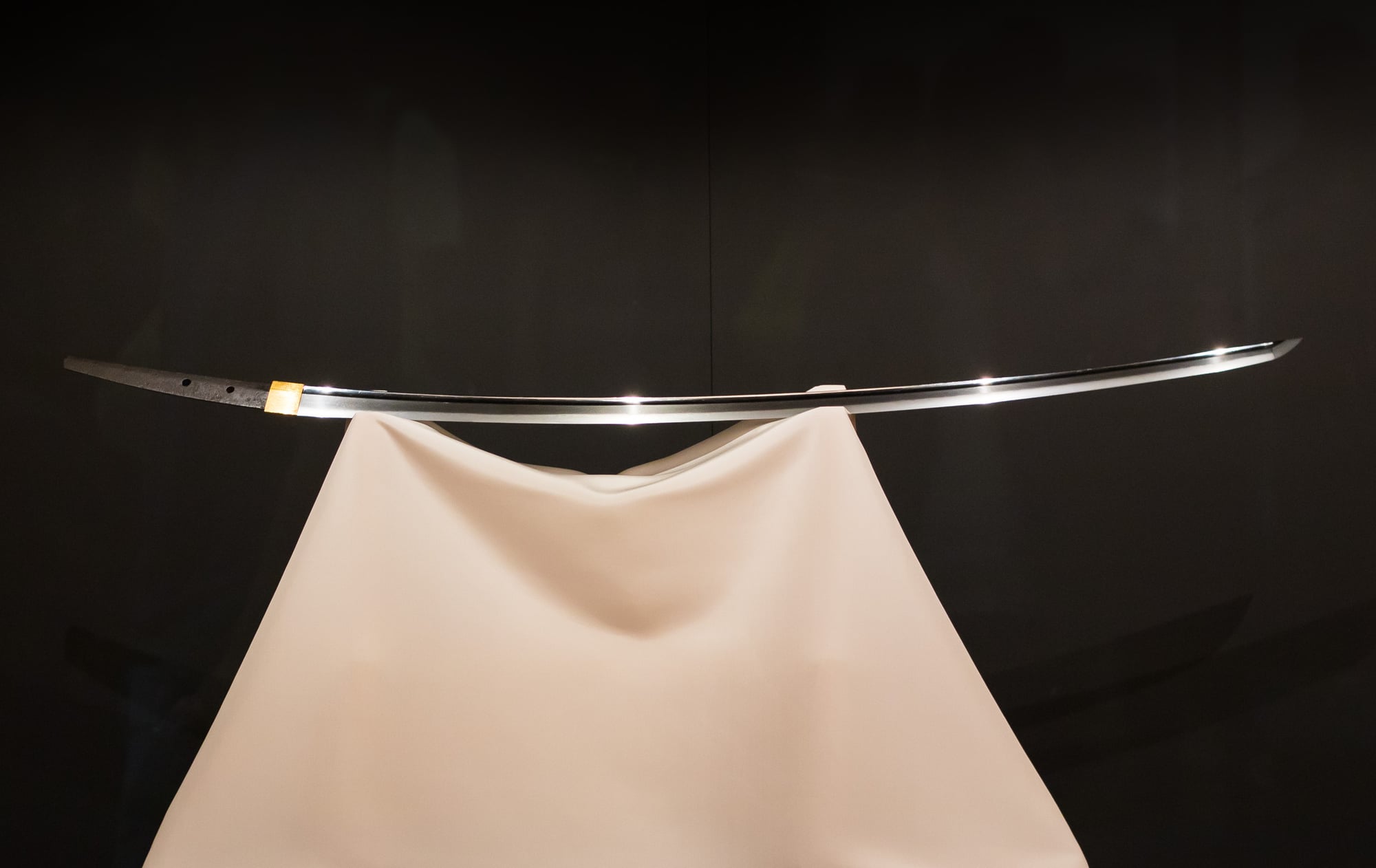
According to the most accepted tradition, Kunimitsu was Rai Kunitoshi's son and, as Markus Sesko infers, took over the school shortly after 1321, already a fully trained master. His dated works run from 1326 to 1351; the change of style in the last ones leads some experts to suggest a second generation. His tachi are wider than his father's, with an elongated chū-kissaki, and anticipate the large blades of the Nanbokuchō period. The steel is a dense ko-itame with ji-nie, sometimes with softer areas known as Rai-hada; the temper is a ko-nie suguha, mixed with ko-chōji and ko-gunome or almost straight. He also forged tantō in very varied shapes. He has three national treasures and twenty-one or twenty-three important cultural properties, depending on the source.
Monograph
Rai Kunimitsu (来国光)
Three National Treasures: his quick profile and the essentials.
Read the monograph
Notable works
- Tachi dated 1327, his only dated tachi: national treasure, at the Tokyo National Museum.
- Shortened tachi at the Kyushu National Museum, from the Matsudaira house: national treasure.
- Tantō Uraku Rai Kunimitsu, once owned by Oda Urakusai Nagamasu: national treasure.