On this page
Quick profile
- Name
- Rai Kunimitsu; some blades attributed to a second generation add 山城国住 (Yamashiro no kuni-jū) or 左兵衛尉 (Sahyōe-no-jō) AT
- Kanji and reading
- 来国光 (Rai Kunimitsu) HD
- Period
- From the end of the Kamakura period to the middle of the Nanbokuchō; first half of the 14th century HD
- Province
- Yamashiro (山城, Yamashiro), in Kyoto HD
- School
- Rai (来派, Rai-ha) HD
- Master
- His father, Rai Kunitoshi (来国俊, Rai Kunitoshi), according to the most widely accepted tradition AT
- Generations
- One or two: it is debated whether the works from 1345 to 1352 are by a second Kunimitsu AT
- What is documented
- Blades dated from 1326 to 1351; the only dated tachi, of 1327, in the Tokyo National Museum HD
- The tradition
- Born in 1264 and died in 1335, at the age of 72, according to the Kotō Meizukushi Taizen; Sesko believes it confuses the eras PC
In short
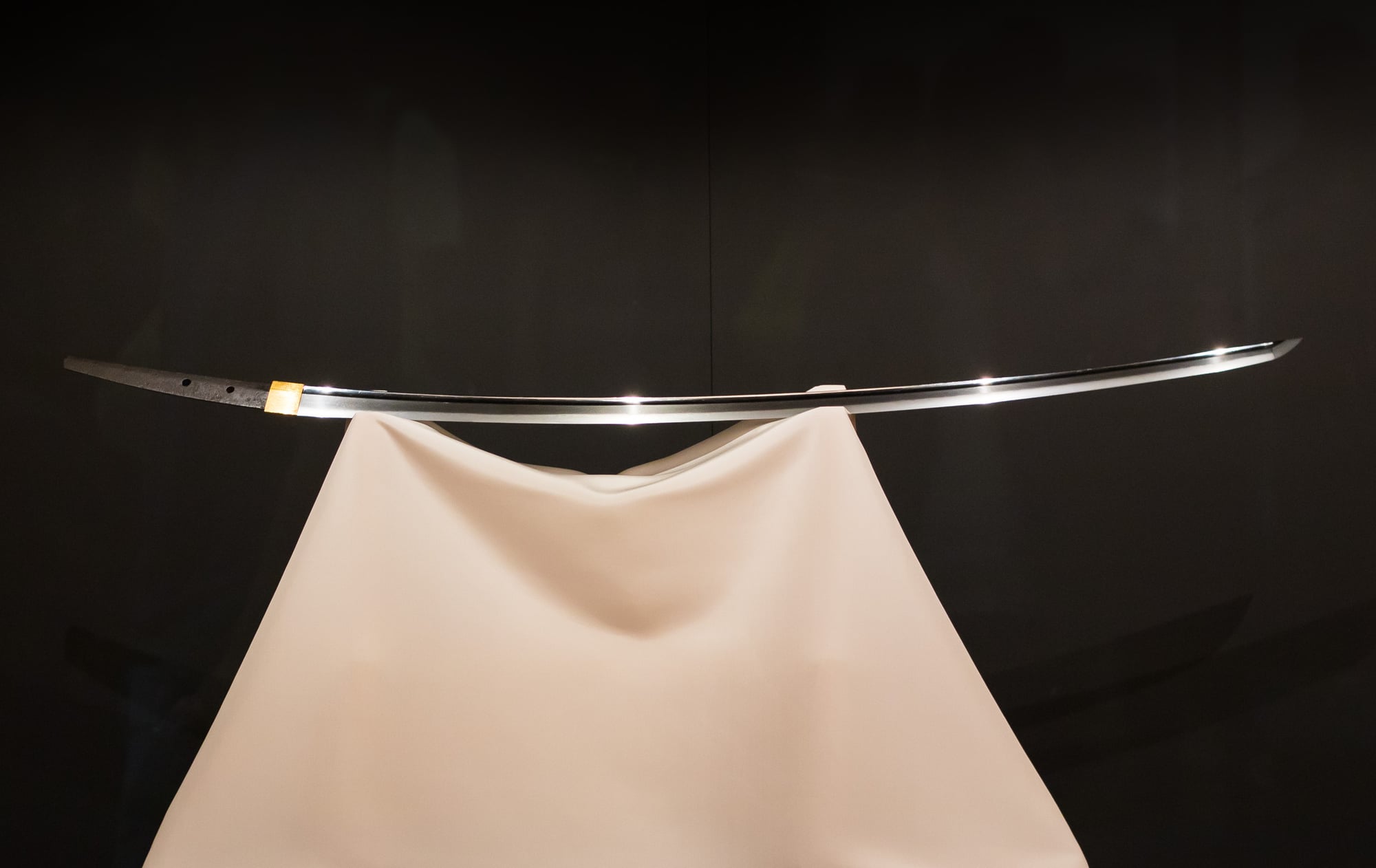
Kunimitsu took over the leadership of the school shortly after 1321, already as a fully trained master, as Markus Sesko deduces. His tachi are wider and showier than his father’s, with an elongated point, and herald the large blades of the Nanbokuchō; he also forged tantō of very varied shapes. The Tokyo and Kyūshū National Museums hold two of his three National Treasures, two tachi; the third is the tantō known as the “Uraku Rai Kunimitsu”.
Sections
-
 The heir of Kunitoshi
Life and times
His parentage, his dates, the second generation and the origin of the school.
-
 Kantei keys
Work and style
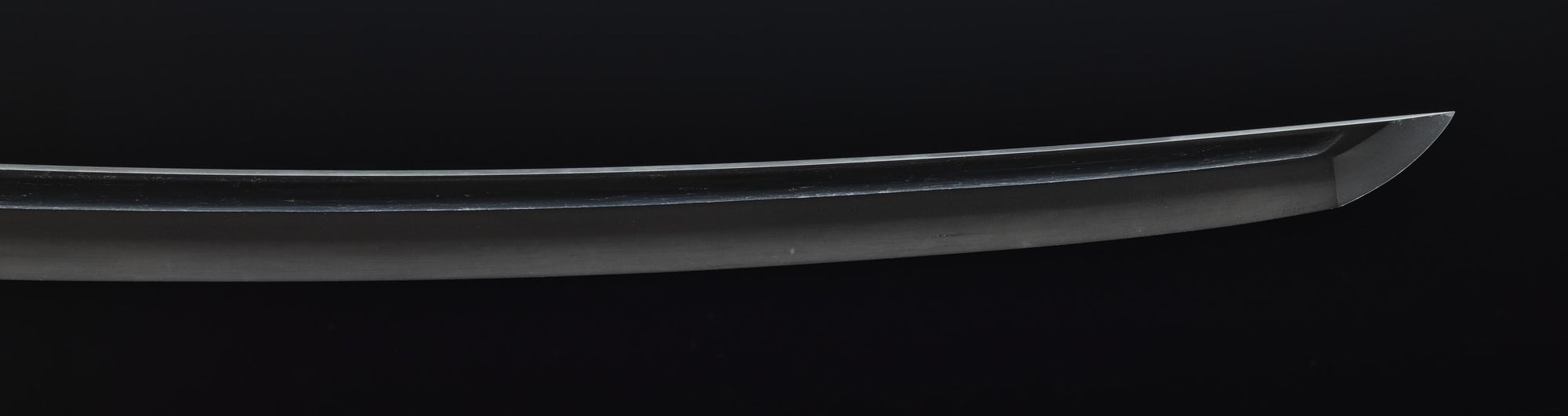
Sugata, jihada, hamon, bōshi, nakago and mei.
-
 National Treasures, meibutsu and shrines
Famous works
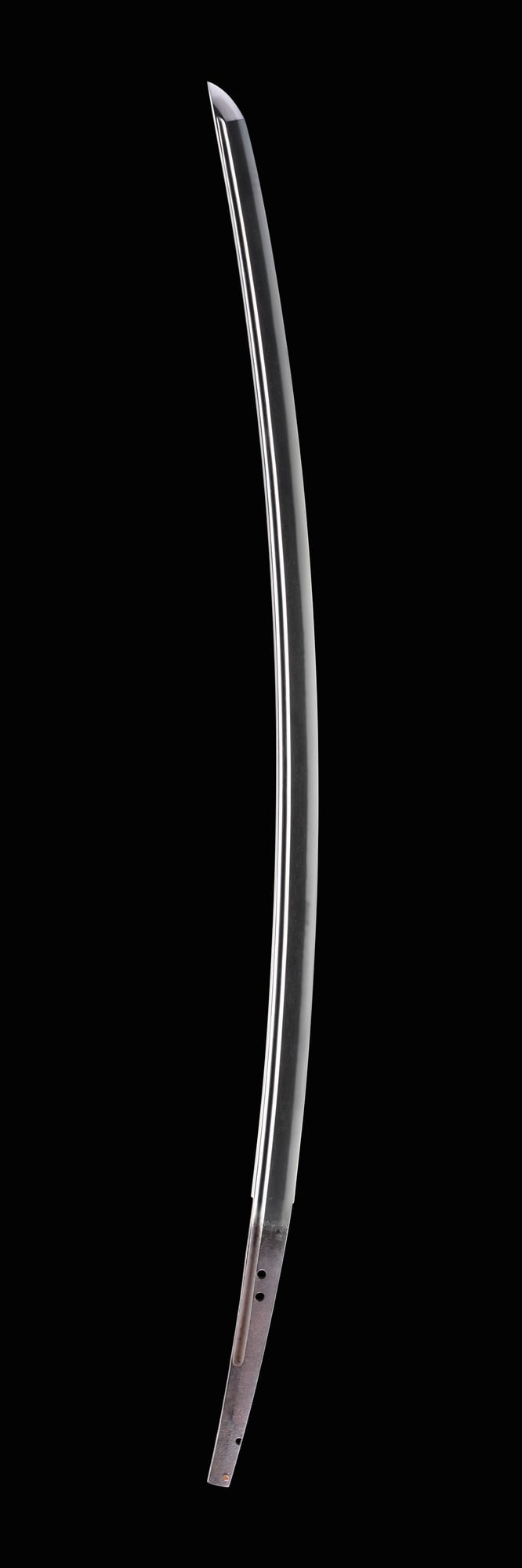
The designated works and the tantō with their own names.
-
 Bibliography and credits
Sources
The sources consulted and the image credits.