Sadamune
貞宗 (Sadamune)
A Sagami smith of the late Kamakura and Nanbokuchō periods, by tradition the son or adopted son of Masamune; no blade bearing his signature survives.
Profile
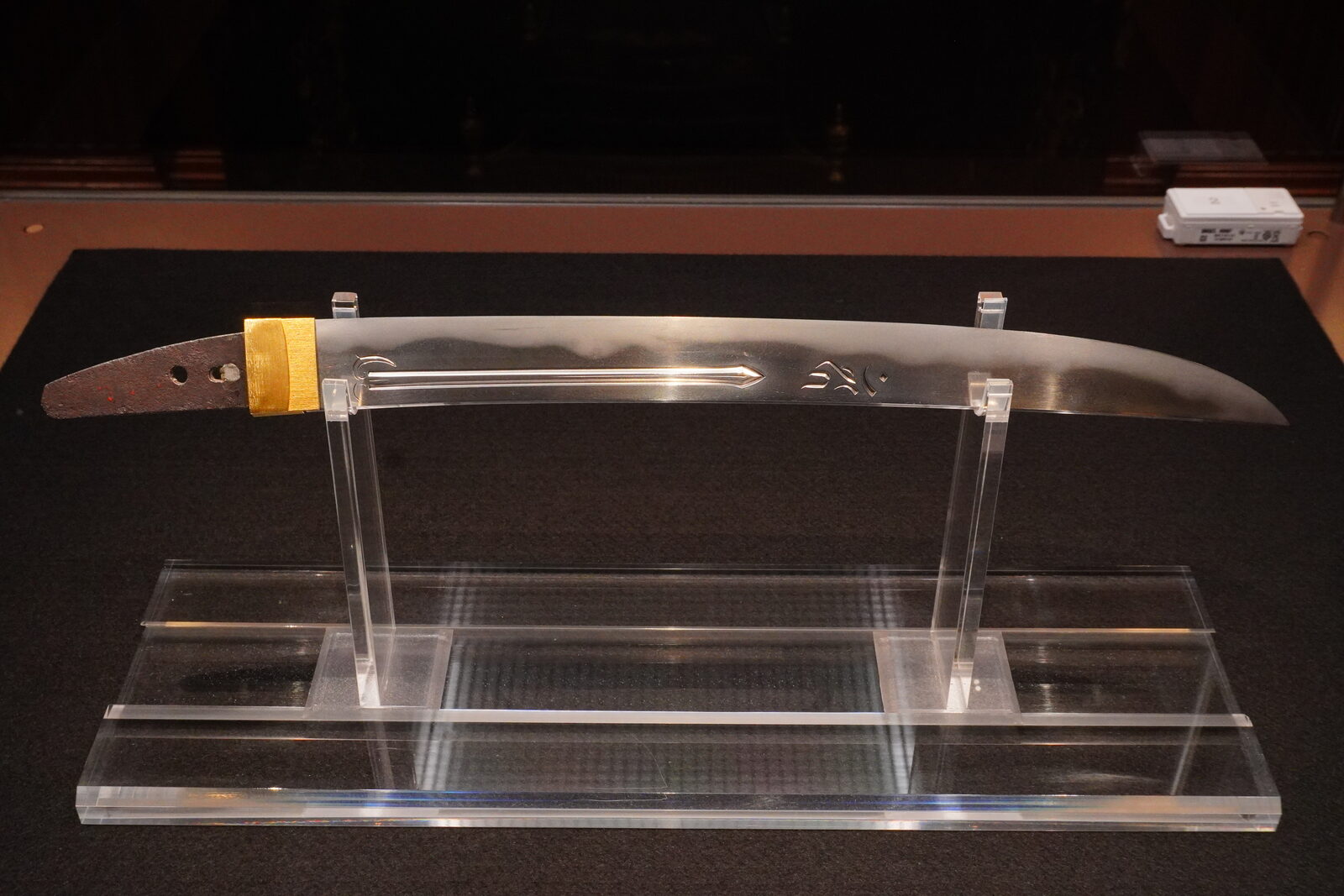
Sadamune, called Hikoshirō, worked in Kamakura, and tradition makes him the son or adopted son of Masamune and a native of Ōmi. No blade signed by him survives: all his works are attributions, and those bearing his name in red lacquer (shu-mei) are judgements by the Hon'ami family. There are katana that were long tachi later shortened, tantō, and hira-zukuri wakizashi. He follows Masamune's manner, with ko-itame, chikei and a notare hamon with gunome, kinsuji and sunagashi, but calmer, with less chikei and kinsuji. Tradition credits him with carvings that passed on to Nobukuni. Four of his works are national treasures.
Monograph
Sadamune (貞宗)
Who he was, what is known about him and what is only tradition, with the level of evidence of each fact.
Read the monograph
Notable works
- Kikkō Sadamune: katana, national treasure, Tokyo National Museum.
- Monoyoshi Sadamune: tantō, important cultural property, Tokugawa Art Museum.