On this page
Quick profile
- Name
- Miike Mitsuyo; the first, Miike Tenta Mitsuyo; also Ōdenta Mitsuyo, after his sword AT
- Kanji and reading
- 三池光世 (Miike Mitsuyo) · 三池典太光世 (Miike Tenta Mitsuyo) · 典太 (Tenta, also Denta) · 元真 (Genshin), his Buddhist name AT
- Period
- The first Mitsuyo, the late Heian, with four dates under discussion (1058–1065, 1074–1077, 1081–1084 and 1159–1160); the lineage, until the middle of Muromachi AT
- Province
- Chikugo (筑後, Chikugo): Miike, today Ōmuta, in Fukuoka Prefecture AT
- School
- The Miike school (三池派, Miike-ha), which begins with him AT
- Master and generations
- Master unknown. The name Mitsuyo passed among smiths of the school; neither the names nor the number of the generations are known. PC
- Documented fact and tradition
- Signed and certain: the Ōdenta, with the signature 光世作 (Mitsuyo saku). Attributed: the Sōhaya no Tsurugi, unsigned. Tradition: the site of his forge and his grave in Ōmuta, and the power of his swords against evil. AT
In short
What we know. A smith called Mitsuyo, or Tenta, worked in Miike at the end of the Heian and signed the Ōdenta, a National Treasure since 1957 and one of the Tenka Goken. For the 日本人名大辞典 (Nihon Jinmei Daijiten) it is his only certain work. The Kyūshū National Museum gives the Miike school as active from the end of the Heian until Muromachi.
How we know it. From the Japanese Wikipedia, which relies on Satō Kanzan, Ogasawara Nobuo and the Maeda Ikutokukai book (2012), from the Kotobank dictionaries and from Markus Sesko’s study; and, for the school, from the Kyūshū National Museum’s record (2024).
What we do not know. When exactly the first Mitsuyo lived, who his master was and who signed Mitsuyo after him: there is no table of generations in the sources consulted.
Sections
-
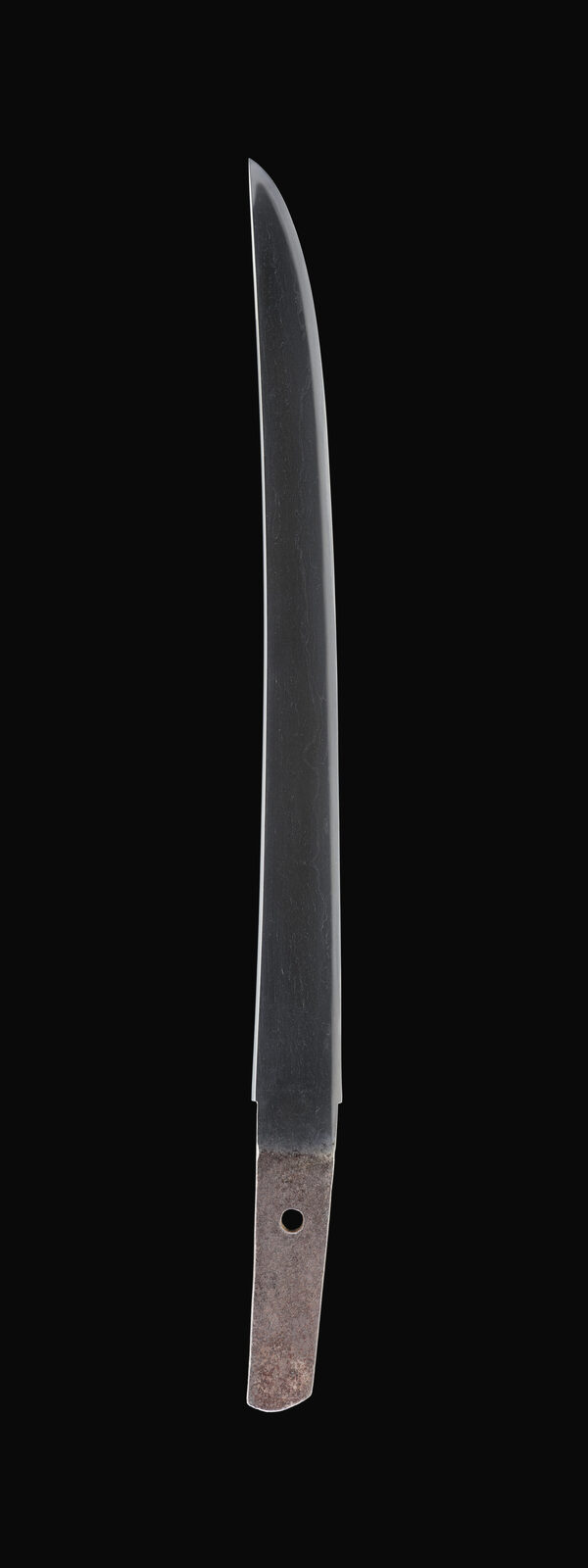 Miike · Tenta · the Miike school
Life and times
The first Mitsuyo, the four dates given for him, the school that bore his name and the traditions of Ōmuta.
-
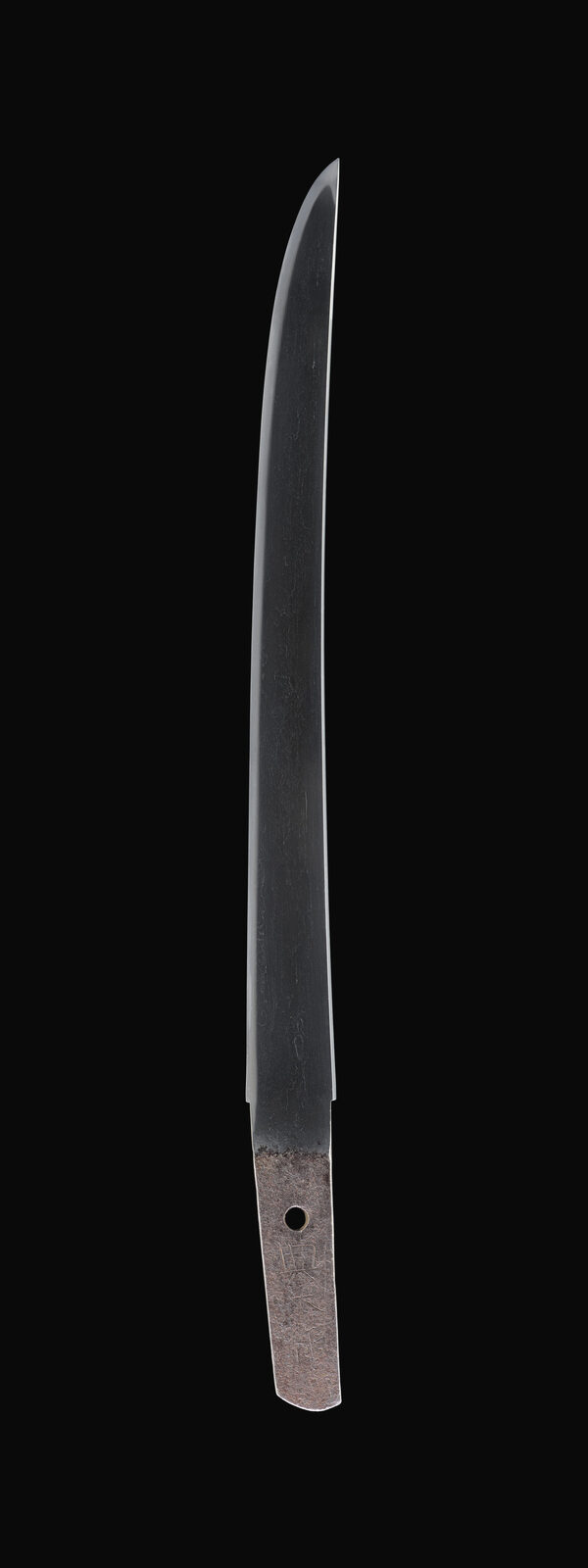 Broad blades · Miike-hi · suguha
Work and style
Kantei keys of the Ōdenta and what a signed 15th-century wakizashi of the school teaches.
-
Ōdenta · Sōhaya no Tsurugi · Tenka Goken
Famous works
The Ōdenta, a National Treasure and one of the Tenka Goken; Tokugawa Ieyasu’s Sōhaya; and his place in the lists.
-
 Outreach
Videos
An outreach video: the story of the Ōdenta.
-
Bibliography and credits
Sources
The sources consulted on 4 October 2026, with their links, and the credit for each image.