
On this page
Quick profile
- Name
- Miyamoto Kanenori AT
- Kanji and reading
- 宮本包則 (Miyamoto Kanenori); at court he signs with the clan name Sugawara: 菅原包則 (Sugawara Kanenori) AT
- Period
- Shinshintō; works from the late Edo period to the Taishō era AT
- Province
- Hōki (伯耆, Hōki), in Ōgaki (大柿, Ōgaki), today Misasa (Tottori); works in Kyoto and in Tokyo AT
- School
- Bizen-den, learned in Osafune AT
- Master
- Yokoyama Sukekane (横山祐包), of Osafune, who claimed to be a descendant of Tomonari in the 58th generation AT
- Title
- Noto no Kami (能登守), in 1867 (Keiō 3); artist of the imperial household, on 4 April 1906 AT
- Generations
- One: no second generation with this name is recorded in the sources consulted PC
- In museums
- Tokyo and Kyoto National Museums, and The Metropolitan Museum of Art in New York HD
- Documented fact and tradition
- Documented: his blades in the museums, with their signatures, dates and ages. His life, from the Japanese Wikipedia and the Kotobank dictionary, which disagree on some dates. AT
In short
Kanenori studied for seven years in Osafune under Yokoyama Sukekane, opened a forge in Kyoto in 1863 and forged for samurai loyal to the emperor; in 1866 he made a sword for Emperor Kōmei and the following year received the title of Noto no Kami. After the 1876 ban on wearing swords he made farm tools and knives, until he was called to forge the treasures of the Ise shrine. As an artist of the imperial household he forged in 1915, according to the Japanese Wikipedia article on him, the generalissimo’s sword for the enthronement of Emperor Taishō, which the article on the marshal’s baton (元帥杖, gensuijō) instead gives to a Gassan Sadakazu. His Bizen-den is sober and classical, of very fine steel: for the Japanese Wikipedia, the connoisseur’s smith.
Sections
-
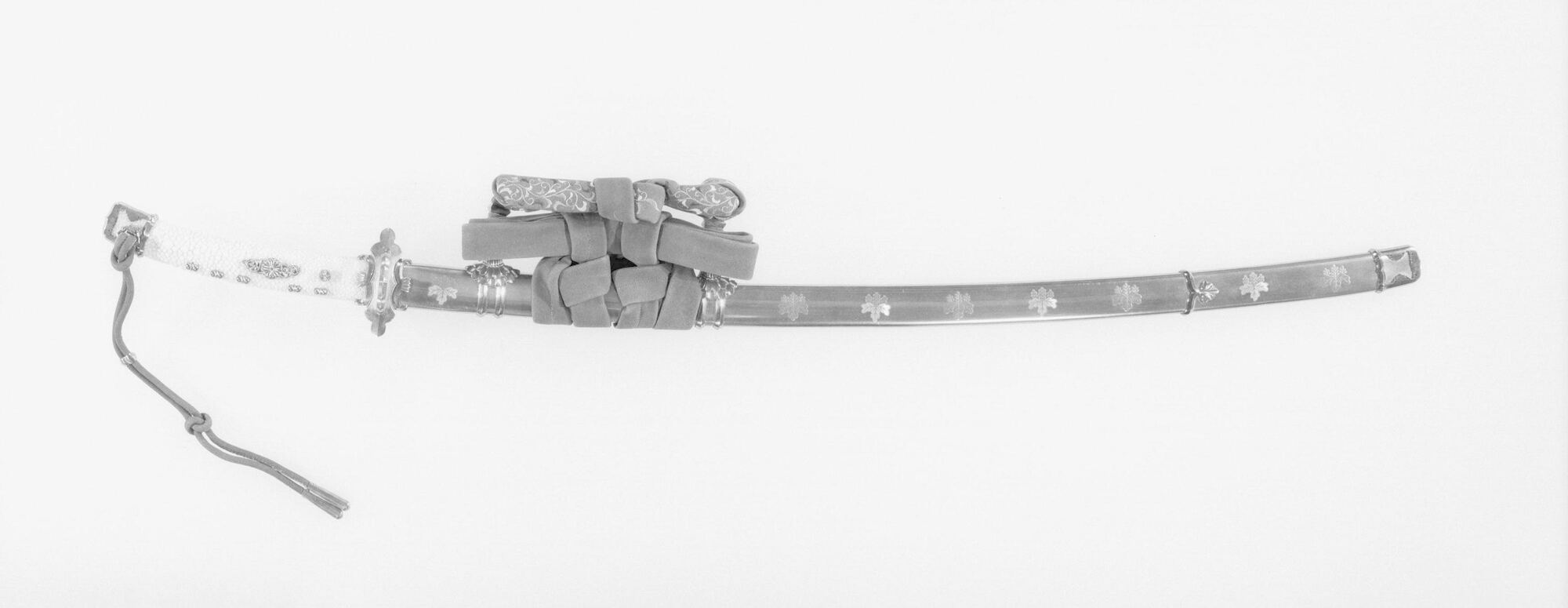 From Osafune to the court
Life and times
Osafune, Kyoto, Fushimi Inari, Ise and the imperial household.
-
 Kantei keys
Work and style
His sober Bizen-den, his signatures and his engravings.
-
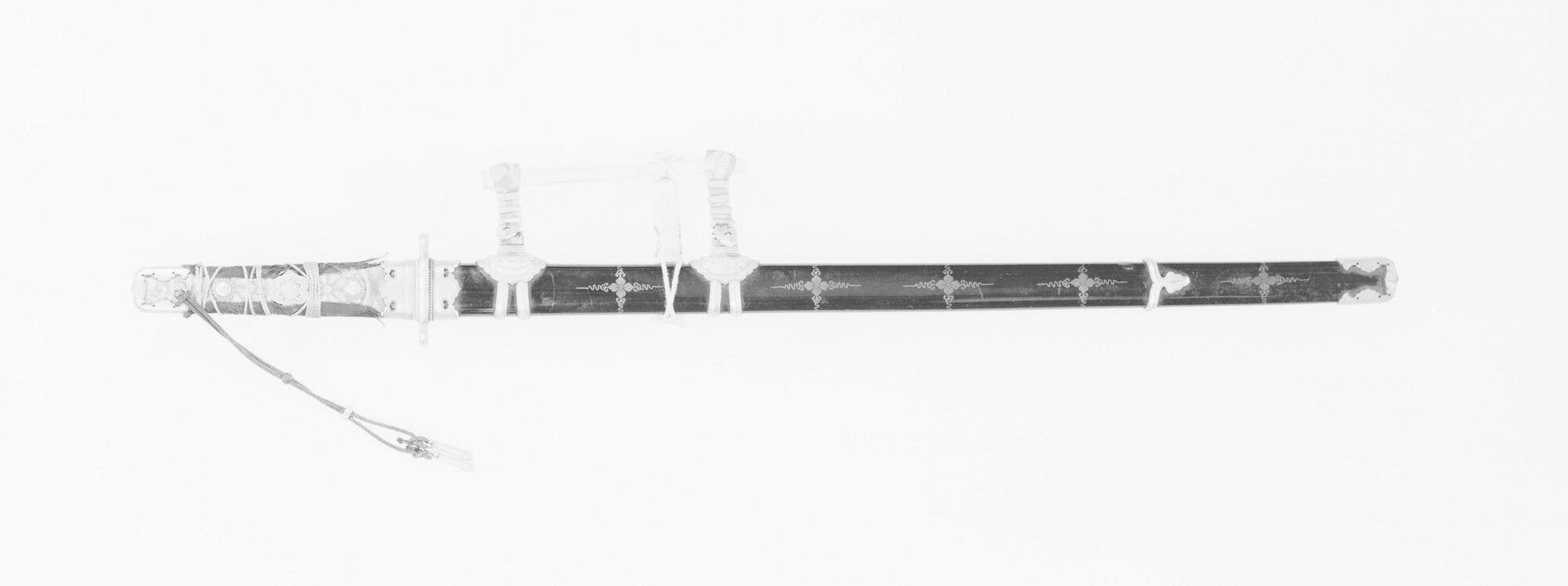 In museums and shrines
Famous works
His blades in the National Museums and the offerings to the shrines.
-
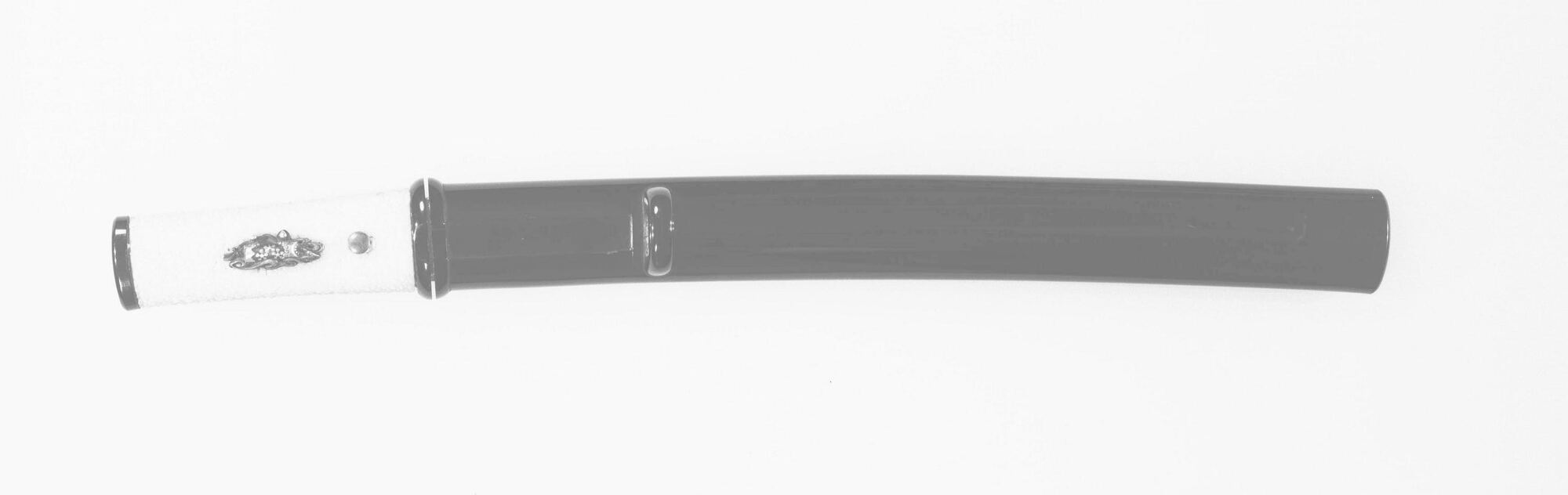 Bibliography and credits
Sources
The sources consulted and the image credits.