Documented works
| Work | Date | Where it is |
|---|---|---|
| Naginata 大和尻懸住則長作 (Yamato Shikkake-jū Norinaga saku), of the Nanbokuchō, 52.2 cm, with the addition 宮本能登守包則継之 (Miyamoto Noto no Kami Kanenori kore o tsugu) | Nanbokuchō blade | Kyoto National Museum (E甲282) |
| Tantō blade, 21.4 cm along the edge | 1868 | The Metropolitan Museum of Art, New York (2026.137a–e) |
| Votive tachi 鎮国神器 (Chinkoku shinki), forged after a hundred days of retreat | 1868 (Meiji 1) | Fushimi Inari shrine, Kyoto |
| 66 tachi, 42 spear blades and 3,800 arrowheads for the Ise shrine | 1886-1889 | Ise shrine |
| Two tantō 菅原包則謹作叡覧 (Sugawara Kanenori kinsaku eiran), made for the emperor to view at the Japan Art Association | 1891 (Meiji 24) | Tokyo National Museum (F-307 and F-344) |
| Tachi 菅原包則謹作之 (Sugawara Kanenori kinsaku kore), with a replica ceremonial mount | 1897 (Meiji 30) | Tokyo National Museum (F-338) |
| Tachi blade, at 84, and koshigatana blade, donated by him | 1913 (Taishō 2) | Tokyo National Museum (F-16489 and F-16490) |
| Kantō no tachi (環頭大刀, kantō no tachi), replica of an ancient sword, at 86 | 1915 (Taishō 4) | Tokyo National Museum (F-36) |
| Model of a gilt-bronze daitō, with the iron left over from the grand shrine | Meiji | Tokyo National Museum (F-20151) |
| Tantō 因州住包則 (Inshū-jū Kanenori), attributed to Miyamoto Kanenori | No date | Tokyo National Museum (F-20069) |
| Tantō 宮本菅原包則六十二翁 (Miyamoto Sugawara Kanenori rokujūni-ō), at 62 | 1891 | Saitama Prefectural Museum of History and Folklore |
Three pieces
He donated the 1913 blades to the Tokyo National Museum himself: according to the museum, he made the tachi one because he offered to exchange it for the one he had donated the year before. The kantō no tachi of 1915, a replica of an ancient sword with a ring-shaped tang, dates from the year of Taishō’s enthronement. The naginata by Norinaga, burnt in the siege of Osaka, is for the Japanese Wikipedia an example of his work restoring famous blades.
In the lists and the treatises
He was, with Gassan Sadakazu, one of the two swordsmiths named artists of the imperial household, a title that existed from 1890 to 1947. No work of his is recorded as a National Treasure or an Important Cultural Property in the sources consulted.
Gallery
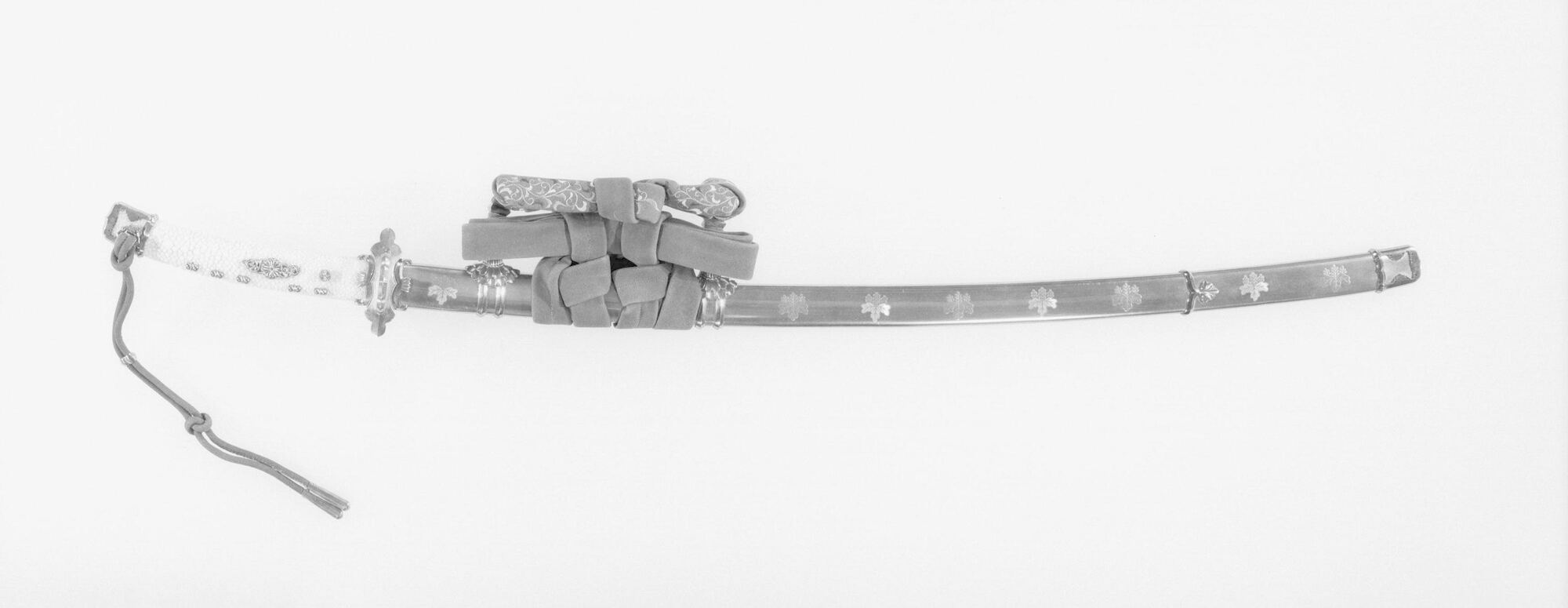
Tachi signed 菅原包則謹作之 (Sugawara Kanenori kinsaku kore), of 1897 (Meiji 30), with a replica ceremonial mount. Tokyo National Museum. Tokyo National Museum, via ColBase · ColBase terms of use · source 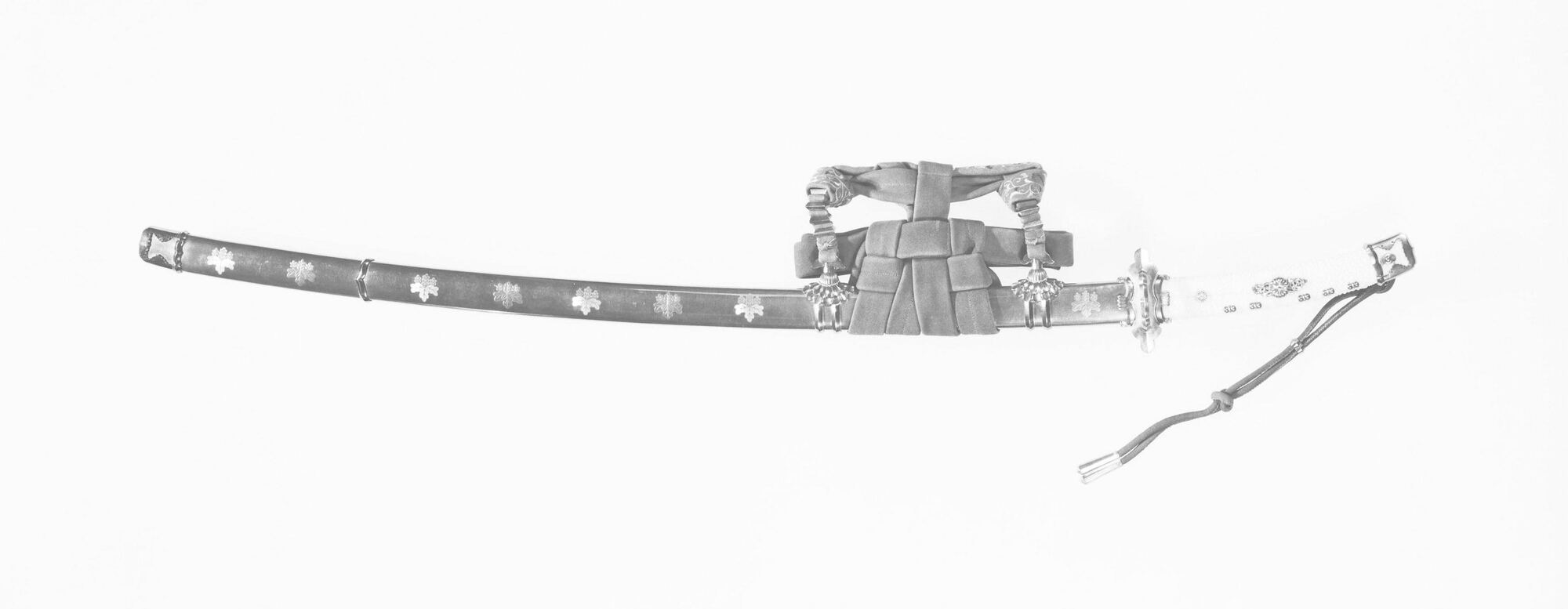
The other side of the mount of the 1897 tachi. Tokyo National Museum. Tokyo National Museum, via ColBase · ColBase terms of use · source 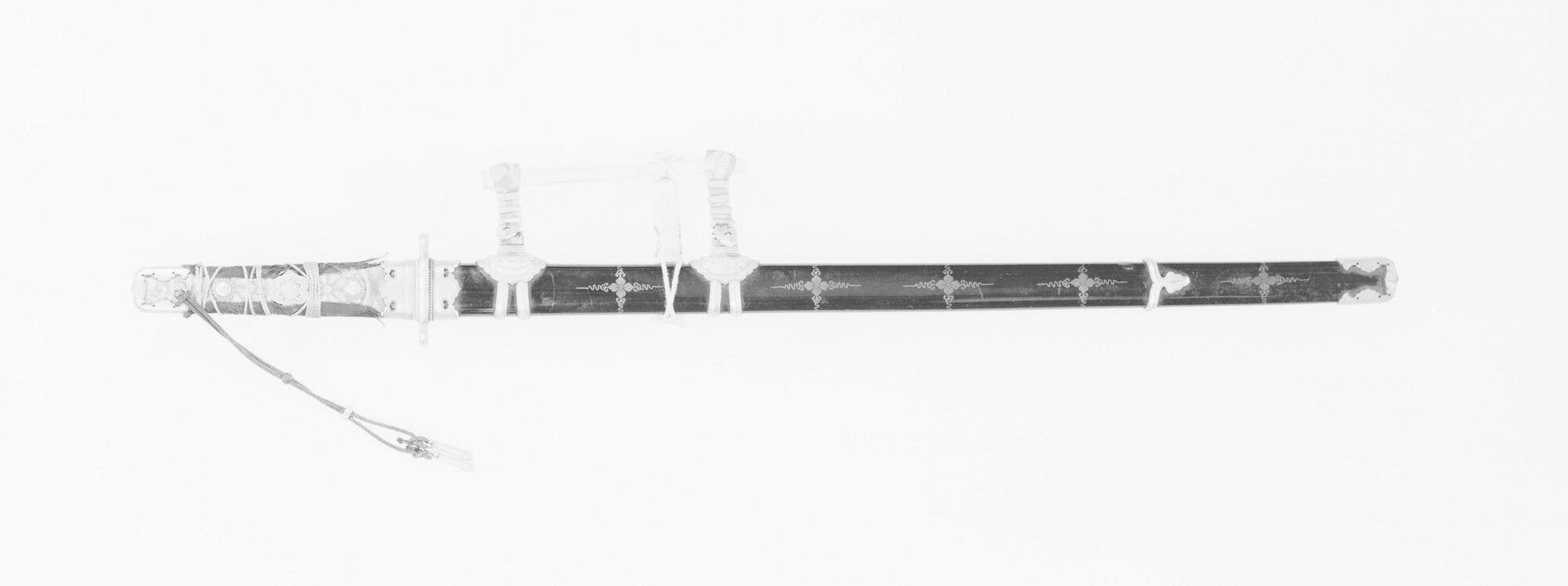
Model (雛形, hinagata) of a gilt-bronze daitō, with the inscription 大神宮以余鉄作之 包則 (Daijingū yotetsu o motte kore o tsukuru, Kanenori), “made with the iron left over from the grand shrine”. Tokyo National Museum. Tokyo National Museum, via ColBase · ColBase terms of use · source 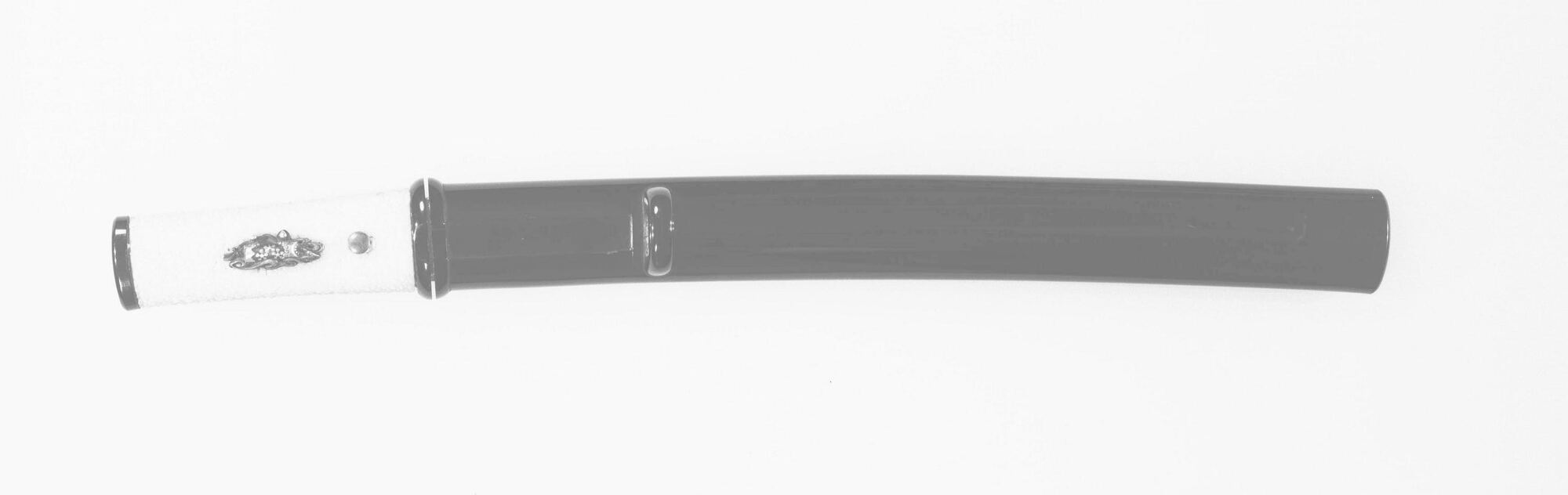
Tantō signed 因州住包則 (Inshū-jū Kanenori), in its mount. Tokyo National Museum. Tokyo National Museum, via ColBase · ColBase terms of use · source 
Naginata signed 大和尻懸住則長作 (Yamato Shikkake-jū Norinaga saku), of the Nanbokuchō, with the addition 宮本能登守包則継之 (Miyamoto Noto no Kami Kanenori kore o tsugu): Kanenori restored it. Kyoto National Museum. Kyoto National Museum, via ColBase · ColBase terms of use · source