On this page
What he is after
By his own account, he works in the Yamato-den and the Bizen-den, with a low temper line and plenty of activity in the edge (ha-no-hataraki), with an old feel; his models are the tantō of Shintōgo Kunimitsu and the tachi of the end of the Heian period and the beginning of the Kamakura. The steel, somewhat rough, with chikei; the signature, fine and in cursive.
His tantō from the 2026 NBTHK competition measures 27.9 cm and is signed 正寿 (Masatoshi), with the date 令和八年初春 (Reiwa hachinen shoshun, early spring of 2026). We have not found photos of that work.
A protective sword
He makes a protective dagger, the 御魂守刀 (mitama mamori-gatana): 18 cm in all and 8 of blade, blade and hilt in a single piece, with a round window in the hilt, the 悟りの窓 (satori no mado, “window of enlightenment”), inspired by the one at the Genkō-an temple in Kyoto.
Today
At the end of September 2026 he shows a freshly forged blade and two habaki for tachi that a craftsman has made for him.
Works
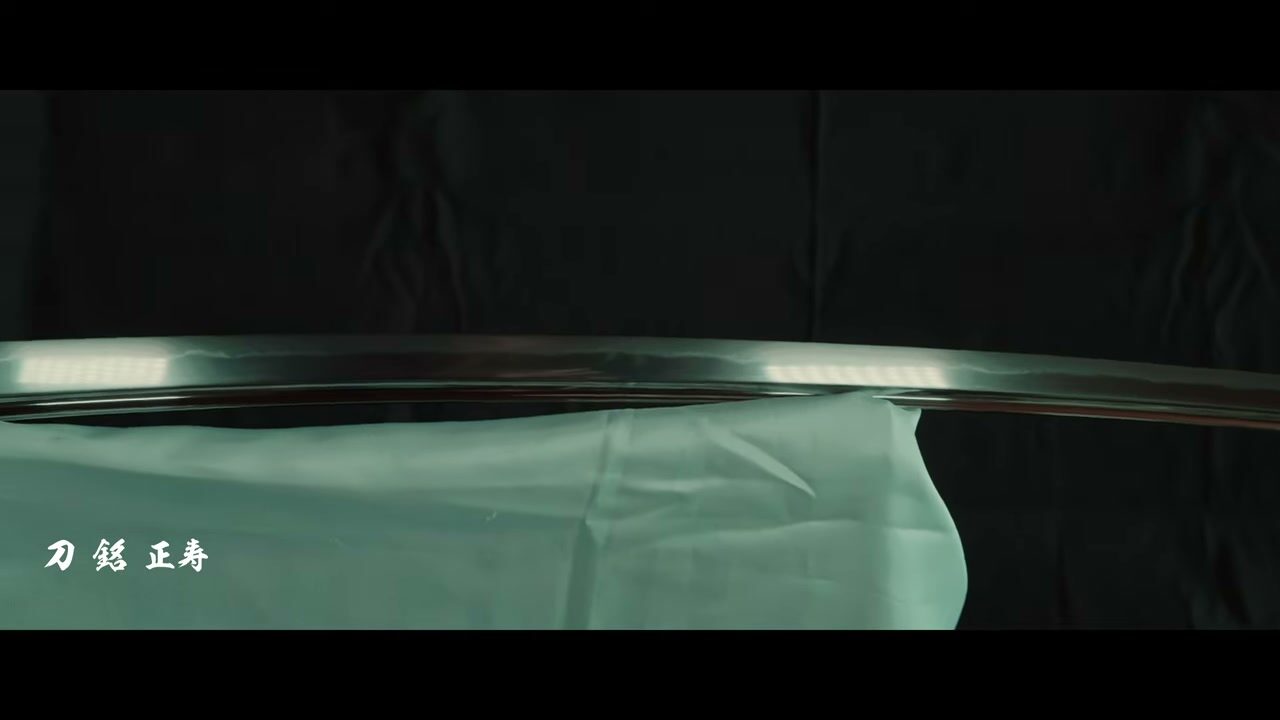
A katana signed 正寿 (Masatoshi), in the Seki video. THE・LAST・STAND., for the 関市観光協会 (Seki-shi Kankō Kyōkai) · © THE・LAST・STAND., for the 関市観光協会 (Seki-shi Kankō Kyōkai) · source 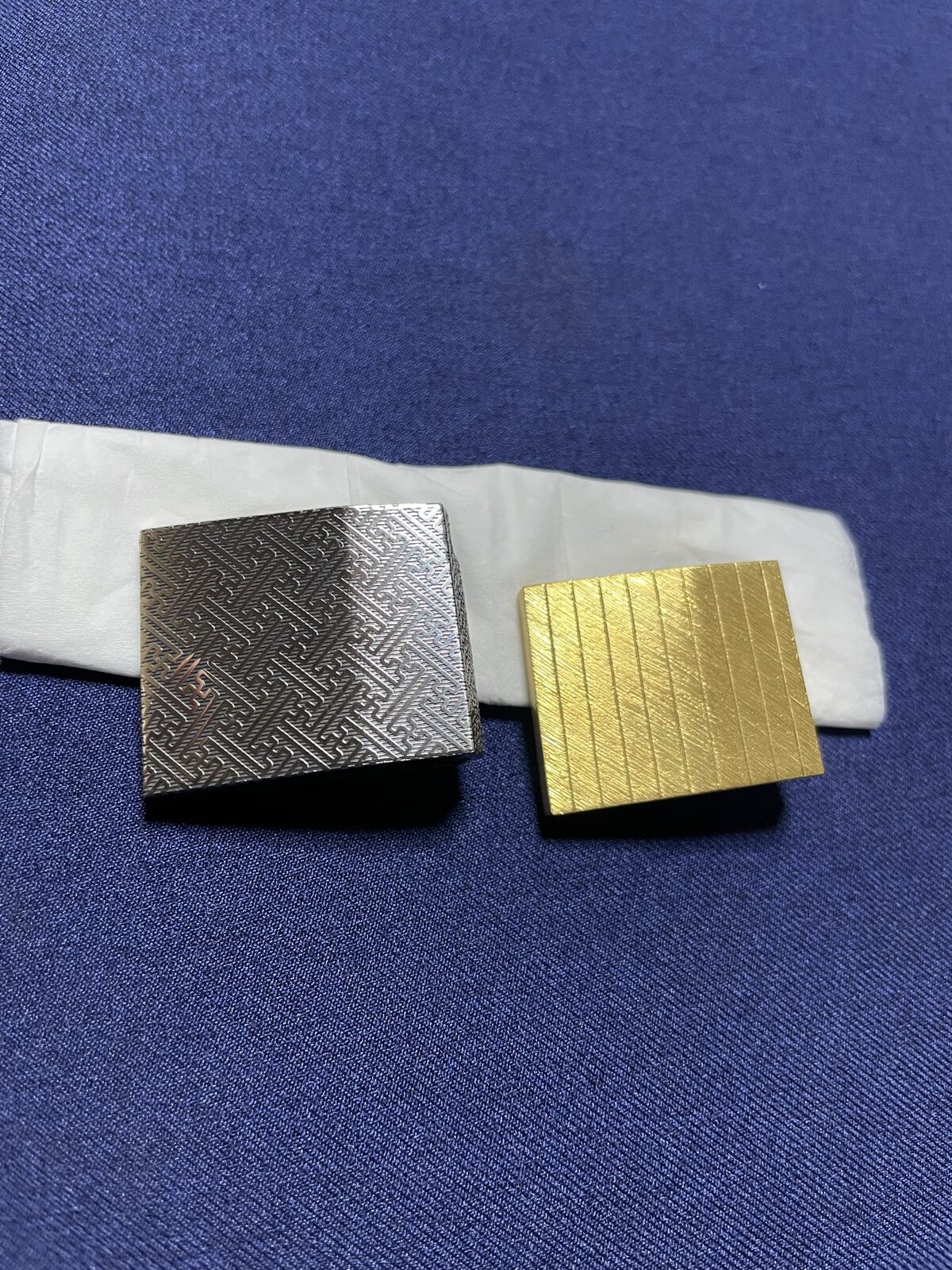
Two habaki for tachi, made by a craftsman, on 1 October 2026. Photo: the smith himself 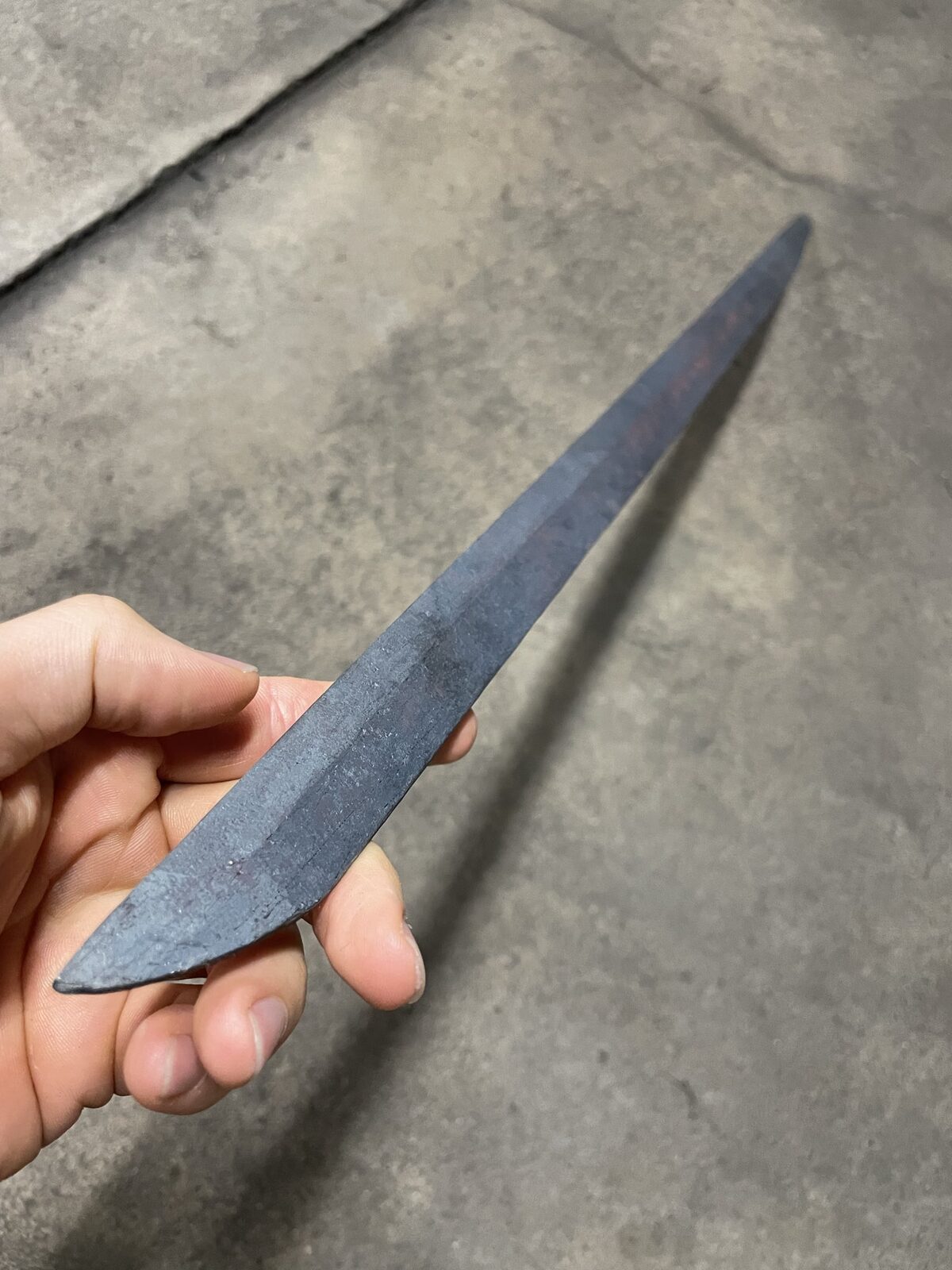
A freshly forged blade, on 29 September 2026. Photo: the smith himself