On this page
Quick profile
- Name
- Ōmi no Kami Hisamichi AT
- Kanji and reading
- 近江守久道 (Ōmi no Kami Hisamichi); signatures 近江大掾源久道 (Ōmi Daijō Minamoto Hisamichi), 近江守源久道 (Ōmi no Kami Minamoto Hisamichi) and 近江守久道 (Ōmi no Kami Hisamichi), with a chrysanthemum AT
- Period
- Shintō, mid-Edo period; the first, from Kanbun (1661–1673) to Genroku (1688–1704) AT
- Province
- Yamashiro (山城, Yamashiro), in Kyoto; the first was born in Ōmi (近江, Ōmi) AT
- School
- Mishina (三品派, Mishina-ha) AT
- Master
- Of the first, Echigo no Kami Rai Kinmichi (越後守来金道, Echigo no Kami Rai Kinmichi), second of the Rai Kinmichi house, according to the Japanese Wikipedia AT
- Title
- First Ōmi Daijō (近江大掾, Ōmi Daijō) and later Ōmi no Kami (近江守, Ōmi no Kami); no year in the sources consulted AT
- Generations
- The first (1626–1711) and the second, his eldest son Hisatsugu (久次, Hisatsugu) AT
- Rank
- The first, yoki-wazamono (良業物, yoki-wazamono) in the Kaihō Kenjaku (懐宝剣尺) of 1797 and “shintō jō-saku” according to the Japanese Wikipedia AT
- What is documented
- A katana signed 近江守源久道 (Ōmi no Kami Minamoto Hisamichi), with its mounting, in the Tokyo National Museum, which gives it to the first HD
- What is not on record
- The dates of the second, whether there were more generations and how their blades are told apart PC
In short
According to the Japanese Wikipedia, the first Hisamichi left the province of Ōmi for Kyoto, entered the Mishina school under Rai Kinmichi, who gave him the school’s surname, and worked from 1665 until the end of Genroku, in his last years together with his son Hisatsugu. With the Kinmichi, Tanba no Kami Yoshimichi and Etchū no Kami Masatoshi he makes up the five smiths of Kyoto, and his work follows that of his master: a square-shouldered gunome with deep nie.
No work of the lineage is recorded as designated a National Treasure or an Important Cultural Property.
Sections
-
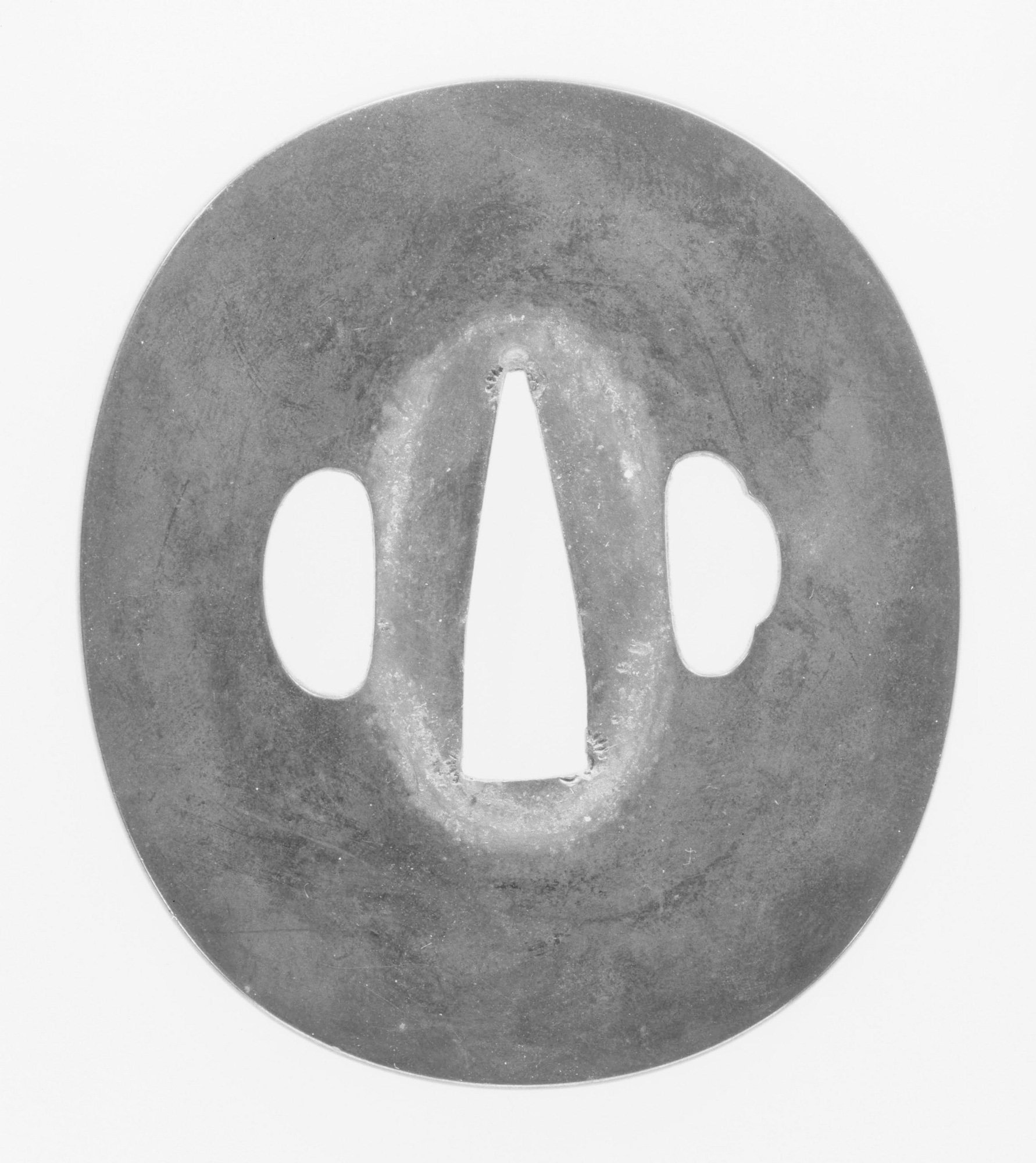 The generations
Life and times
The first Hisamichi, from Ōmi to Kyoto; his son Hisatsugu, and the Mishina school.
-
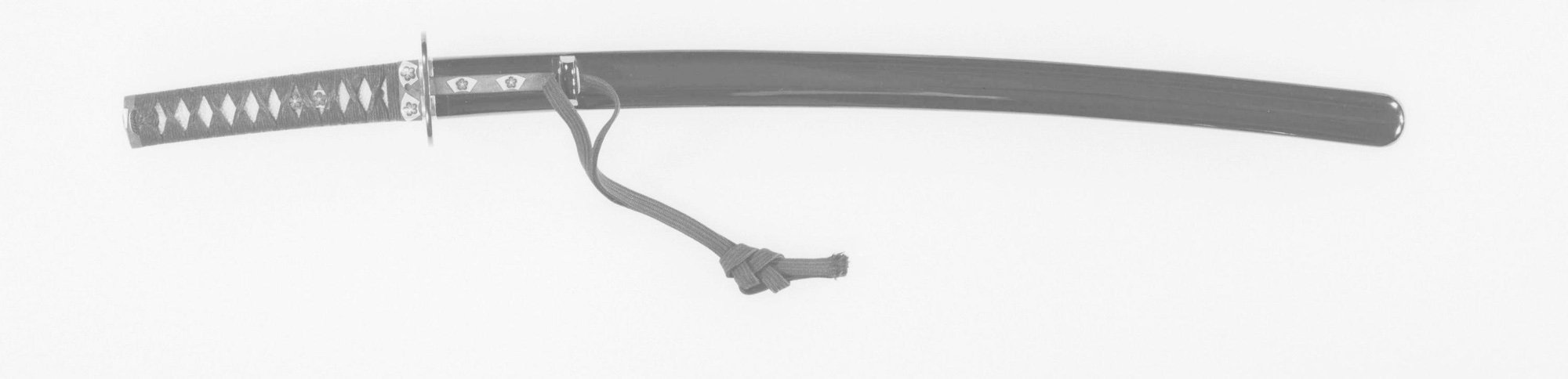 Kantei keys
Work and style
The square-shouldered gunome, the bōshi of the Mishina, the signature and what is not on record.
-
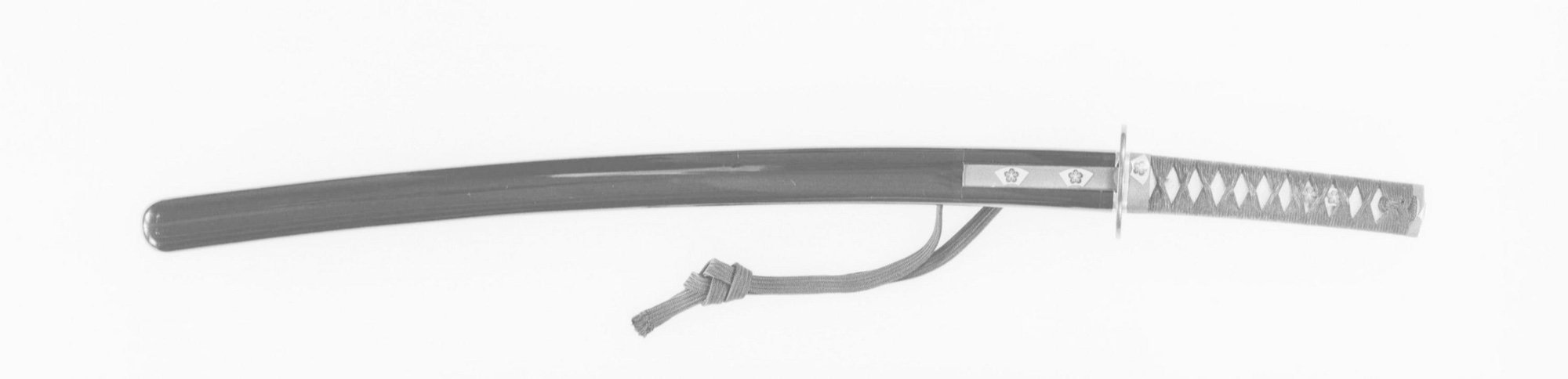 In museums and lists
Famous works
The katana of the first Hisamichi in the Tokyo National Museum and his place in the lists.
-
Bibliography and credits
Sources
The sources consulted and the image credits.