On this page
Quick profile
- Name
- Osafune Sukesada; many signatures add the personal name: 彦兵衛尉 (Hikobei-no-jō), 与三左衛門尉 (Yosōzaemon-no-jō), 源兵衛尉 (Genbei-no-jō) HD
- Kanji and reading
- 長船祐定 (Osafune Sukesada); a tantō of 1518 in the Tokyo National Museum writes it 裕定 (Sukesada) HD
- Period
- Sue-Bizen, end of the Muromachi period; the Yokoyama branch, in the Edo period AT
- Province
- Bizen (備前, Bizen), in Osafune (長船, Osafune) HD
- School
- Osafune (長船派, Osafune-ha) HD
- Master
- No single master: relatives and pupils worked under the same name AT
- Generations
- Several dozen, with no complete genealogy published; the Nihon Jinmei Daijiten (日本人名大辞典, Nihon Jinmei Daijiten) has entries for four AT
- What is documented
- Dated blades in museums, from 1504 to 1577, and from the Yokoyama branch, from 1666 to 1919 HD
- What is not on record
- The exact number of Sukesada and the order of their generations PC
In short
In the Sengoku, Osafune produced in series, and relatives and pupils signed with the same name: that is why there are dozens of Sukesada. The most gifted were Yosōzaemon-no-jō and Hikobei-no-jō, at the beginning of the 16th century, followed by Genbei-no-jō. After the flood of the Yoshii river, around 1590, the Yokoyama family went on forging under the name in Osafune; its leading figure in the 17th century was Yokoyama Kōzuke Daijō Sukesada. There are works of theirs in the Tokyo, Kyoto and Kyūshū National Museums, in the Okayama Prefectural Museum and in the Metropolitan Museum in New York.
Sections
-
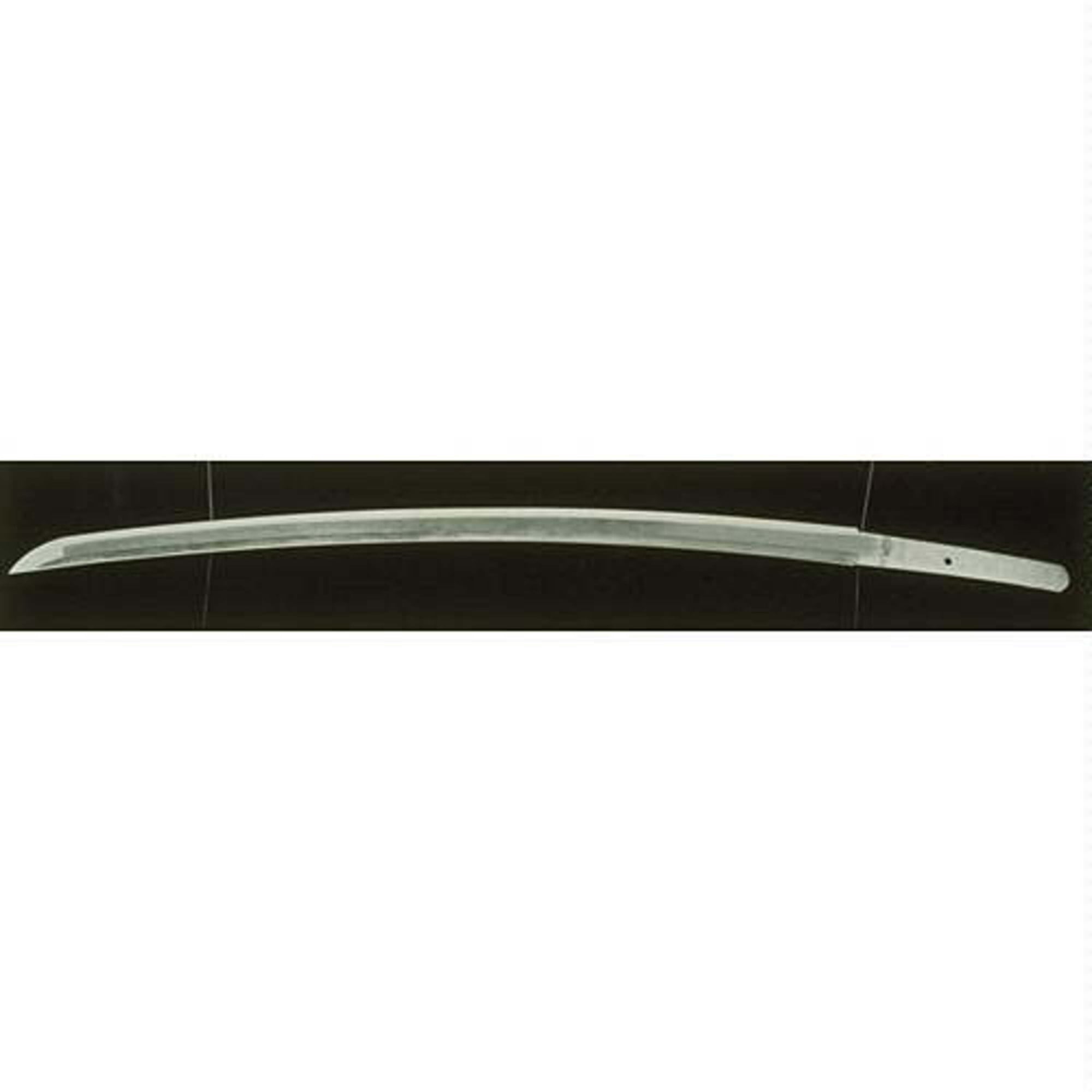 One name for dozens of swordsmiths
Life and times
The collective workshop of the Sengoku, the Yoshii flood and the Yokoyama branch.
-
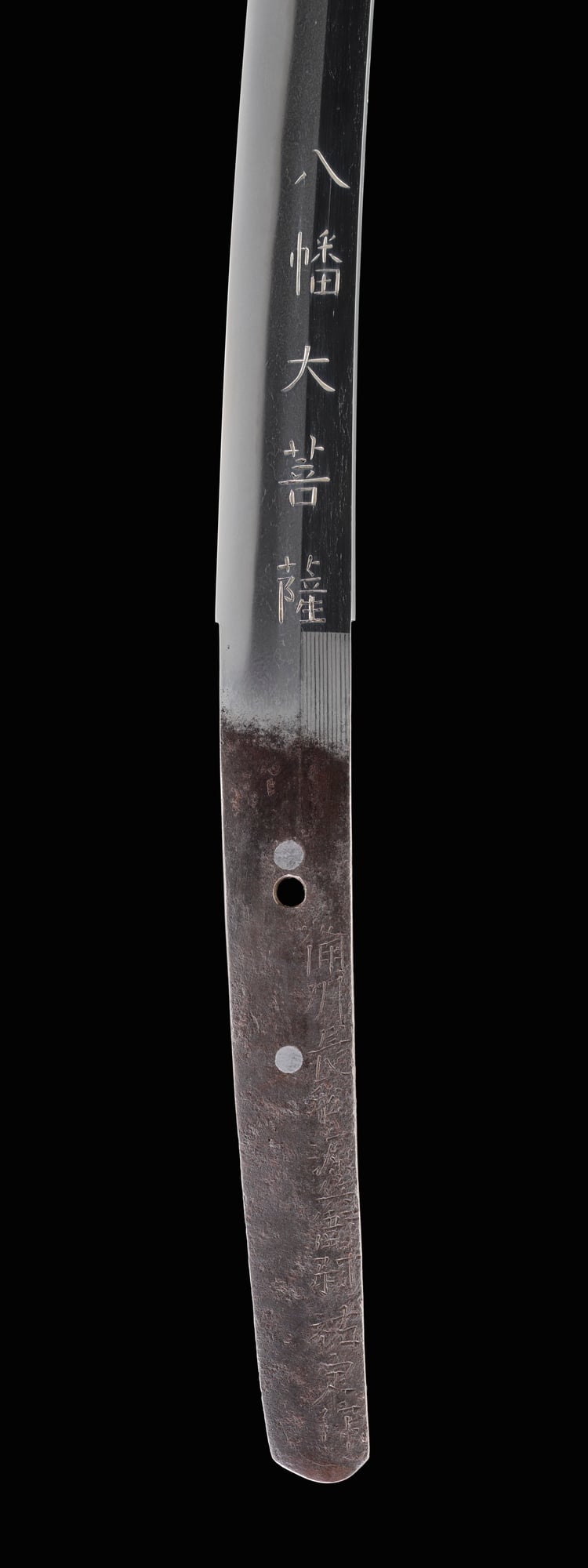 Kantei keys
Work and style
Sugata, jihada, hamon, bōshi, nakago and horimono.
-
 In museums, shrines and lists
Famous works
The documented works and their place in the Yamada cutting list.
-
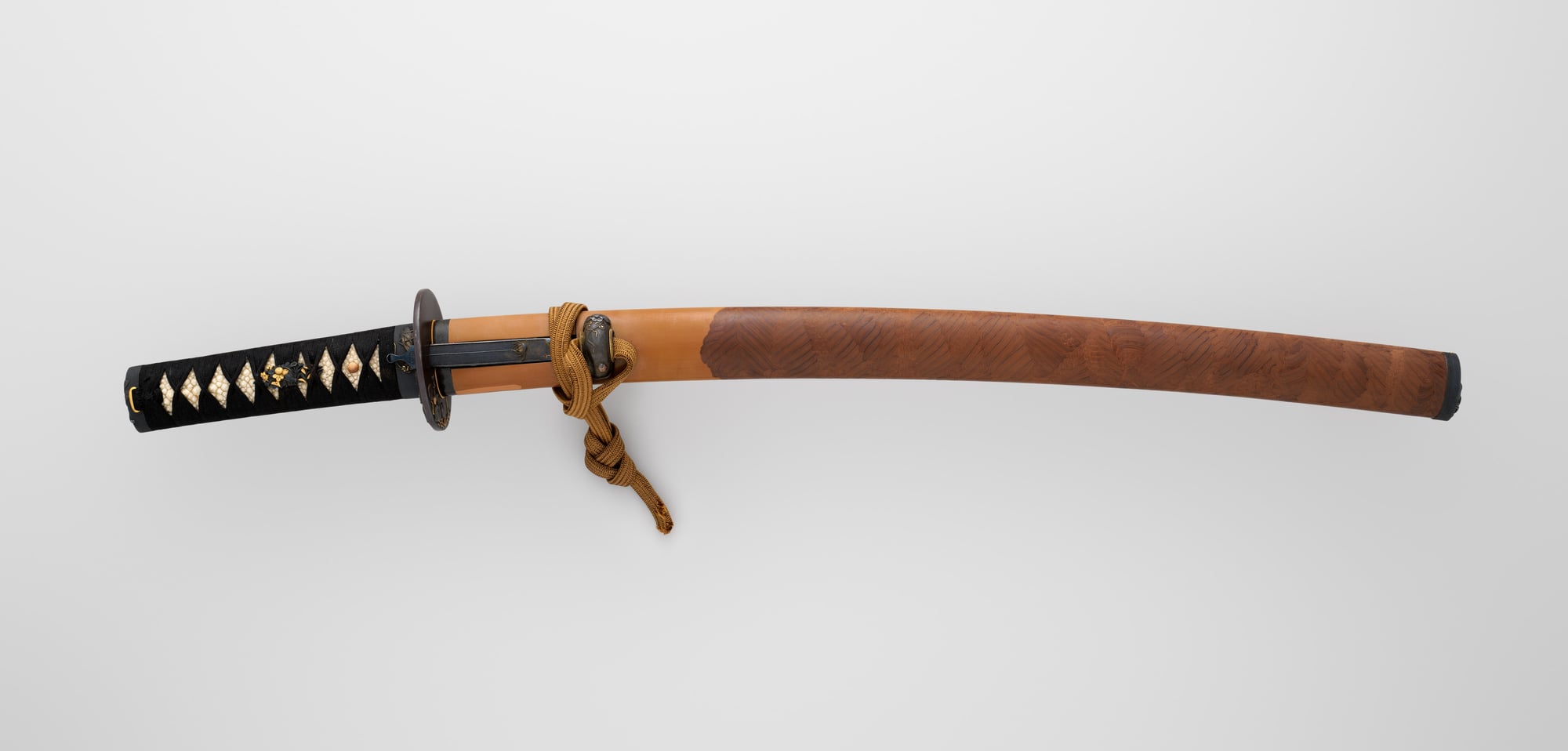 Bibliography and credits
Sources
The sources consulted and the image credits.