On this page
Quick profile
- Name
- Rai Kunitoshi; the two-character signature is called 二字国俊 (Niji Kunitoshi), and the signature 来孫太郎 (Rai Magotarō) is held to be his AT
- Kanji and reading
- 来国俊 (Rai Kunitoshi); he also signs 来源国俊 (Rai Minamoto Kunitoshi) and 源来国俊 (Minamoto Rai Kunitoshi) HD
- Period
- From the middle to the end of the Kamakura period AT
- Province
- Yamashiro (山城, Yamashiro), in Kyoto HD
- School
- Rai (来派, Rai-ha) HD
- Master
- His father, Kuniyuki (国行, Kuniyuki), according to tradition AT
- Generations
- One swordsmith or two: today most scholars think of a single one AT
- What is documented
- Blades dated from 1278 to 1321; no year of birth or of death HD
- The tradition
- An 18th-century treatise makes “Niji” and “Rai” father and son, with unreliable dates PC
In short
The two-character blades are robust, with a short, wide point and a showy chōji; the three-character ones are slimmer and calmer, with suguha, and among them tantō are plentiful. For some, this is the change of style of a single swordsmith over more than forty years; for others, the work of a father and a son. A tachi of his signed at the age of 75 is dated 1315 according to the official database of designated properties; two dictionaries date it to 1289, and the Bunka Isan Online record of the Nezu Museum tachi, to 1316.
Sections
-
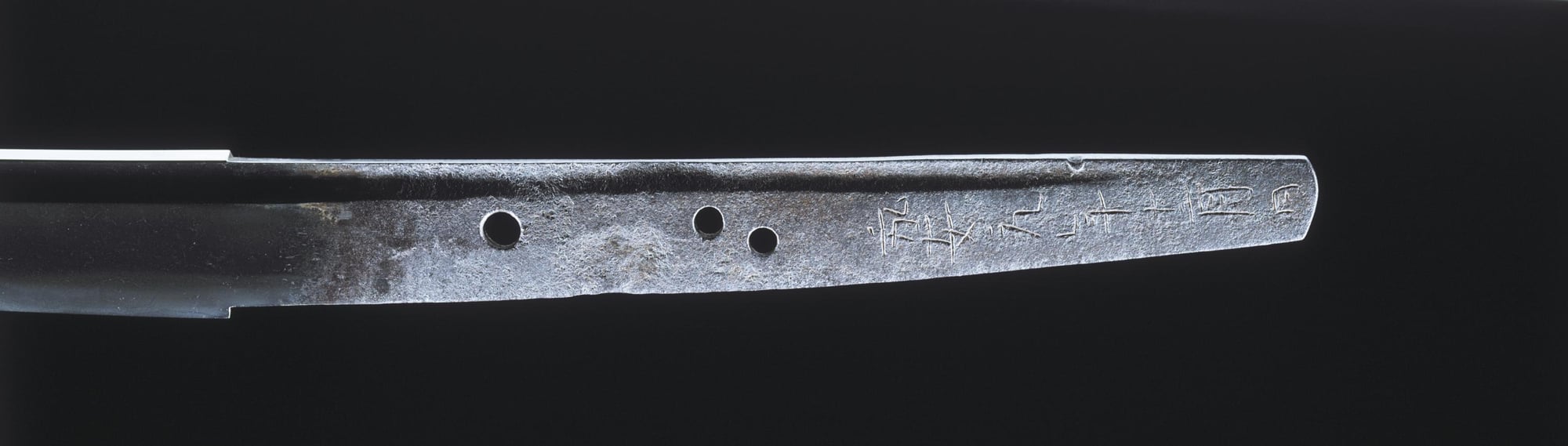 One swordsmith or two
Life and times
His dates, the tachi of his 75th year, the debate and the workshop.
-
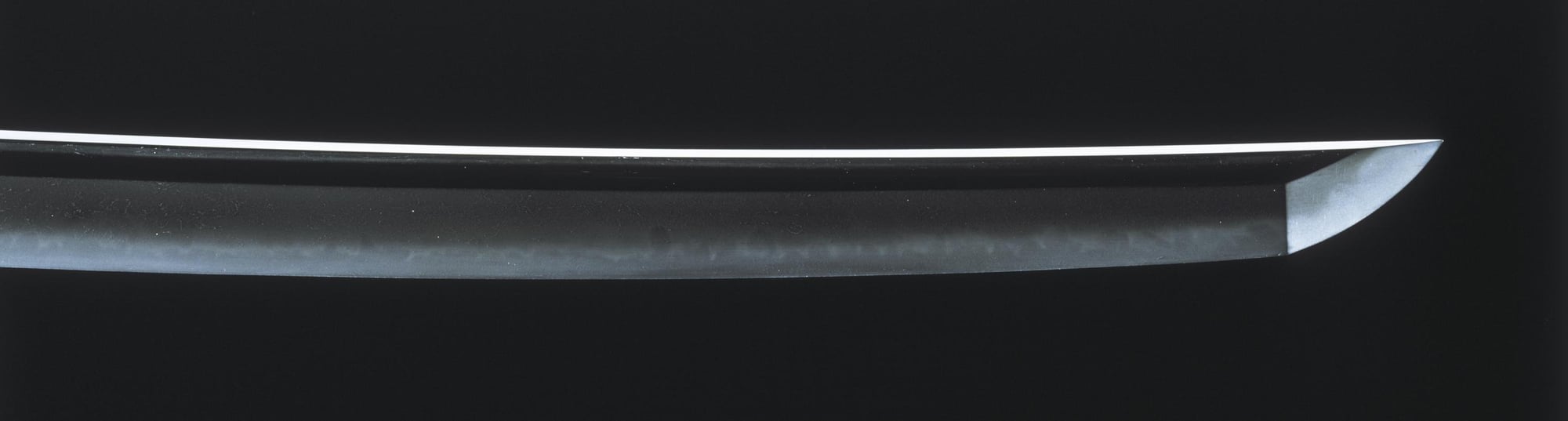 Kantei keys
Work and style
The two manners: sugata, jihada, hamon, bōshi, nakago and mei.
-
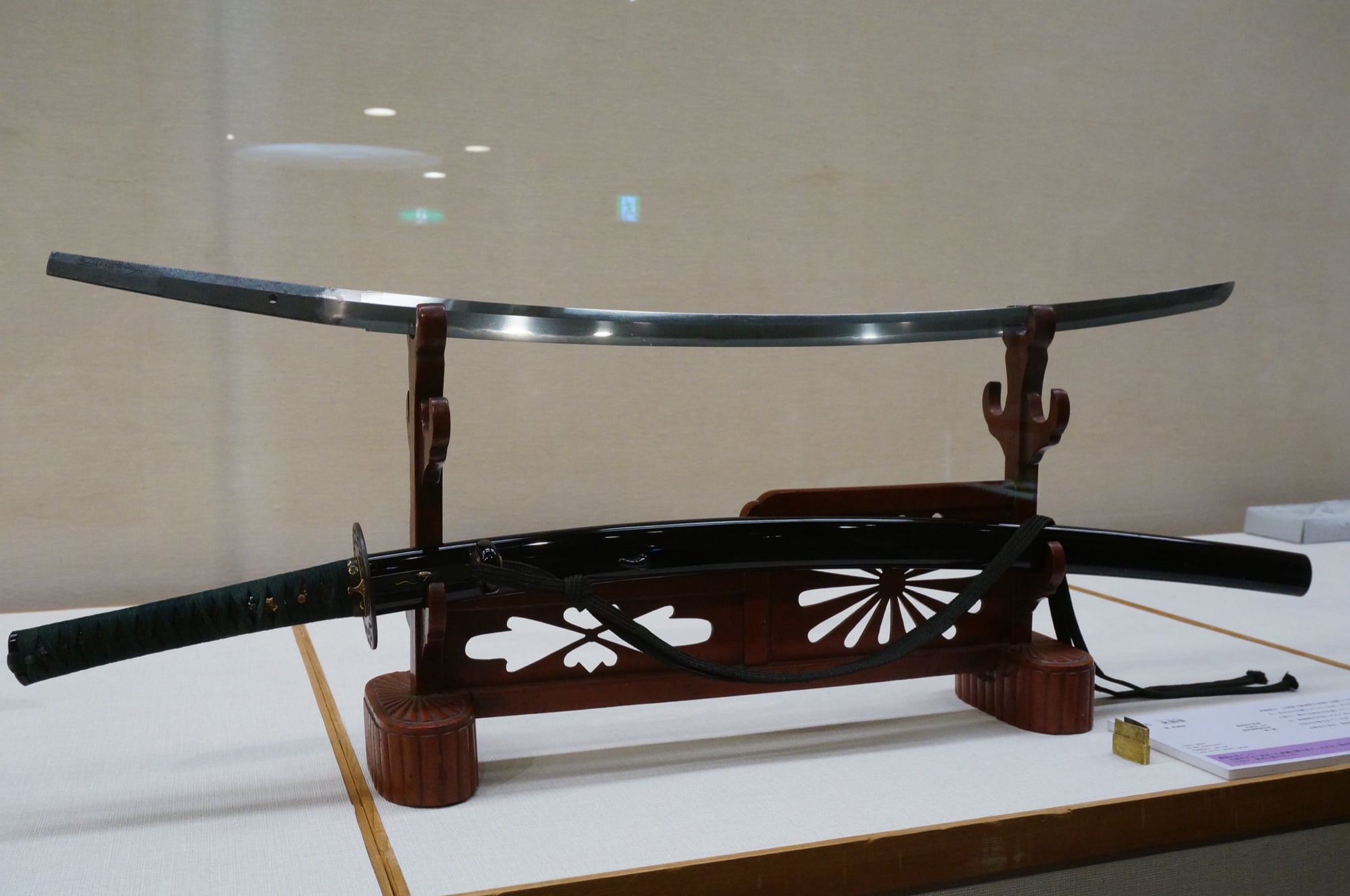 National Treasures, meibutsu and a lost sword
Famous works
The National Treasures, the Aizen Kunitoshi and the Hotaru-maru.
-
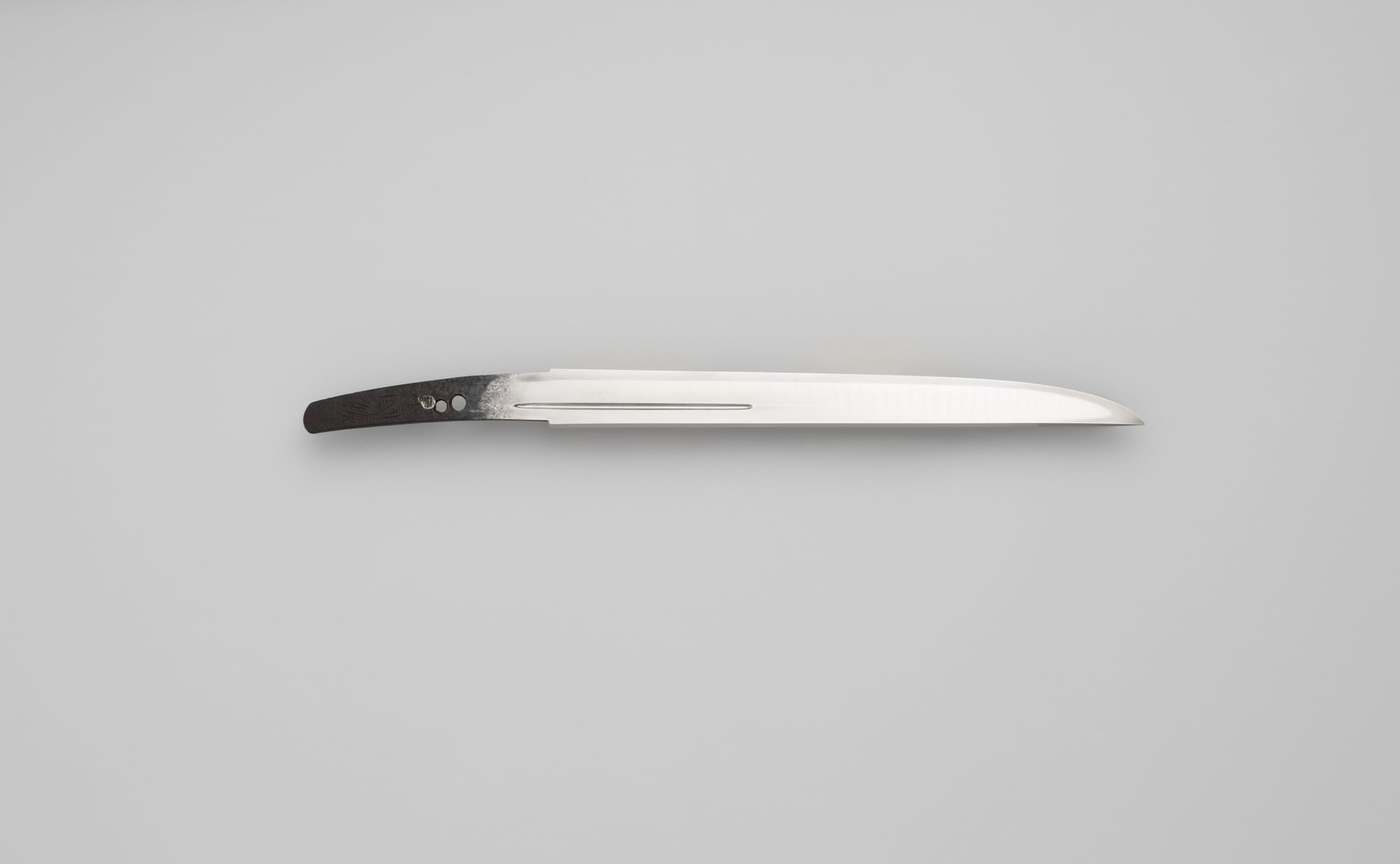 Bibliography and credits
Sources
The sources consulted and the image credits.