Documented works
| Work | Designation | Where it is |
|---|---|---|
| Tantō 来国俊 (Rai Kunitoshi), 1316 (Shōwa 5), the “Atsuta Rai Kunitoshi” | National Treasure (1955) | Atsuta shrine, Nagoya; on deposit at the Tokyo National Museum |
| Tantō 来国俊 (Rai Kunitoshi) | National Treasure (1953) | Kurokawa Institute of Ancient Cultures, Nishinomiya |
| Kodachi 来国俊 (Rai Kunitoshi), with a black-lacquered mounting | National Treasure | Futarasan shrine, Nikkō |
| Tachi 来国俊 (Rai Kunitoshi) of the Suga family, karō of the Shōnai domain | National Treasure | Private collection |
| Tachi 来孫太郎作 (Rai Magotarō saku), 1292 (Shōō 5) | National Treasure | Tokugawa Art Museum, Nagoya |
| Tachi of his 75th year, 1315 (Shōwa 4) | Important Cultural Property (1954) | Tokugawa Art Museum, Nagoya |
| Tantō “Aizen Kunitoshi” (愛染国俊, Aizen Kunitoshi), two-character | Important Cultural Property (1950) | A company in Ibaraki (Ōsaka) |
| Ōdachi “Hotaru-maru” (蛍丸, Hotaru-maru), 1297 (Einin 5) | Important Cultural Property | Aso shrine (Kumamoto); lost after 1945 |
| Kodachi “Torikai Kunitoshi” (鳥養国俊, Torikai Kunitoshi), two-character | Important Art Object | Tokugawa Art Museum, Nagoya |
| Tachi 国俊 (Kunitoshi), of the Arima house | Important Cultural Property | Tokyo National Museum (F-19849) |
| Tachi 国俊 (Kunitoshi), 1278 (Kōan 1) | No designation | Tokyo National Museum (F-20) |
| Tachi 来源国俊作 (Rai Minamoto Kunitoshi saku), 1321 (Gen'ō 3) | No designation | Tokyo National Museum (F-17050) |
| Tachi 来国俊 (Rai Kunitoshi), of 74.5 cm | Important Art Object | Nezu Museum, Tokyo |
| Tantō 来国俊 (Rai Kunitoshi) | No designation | Kyoto National Museum (E甲319) |
| Tantō of around 1315-1316 | No designation | Metropolitan Museum, New York |
The National Treasures
In 2016, comparing Kunitoshi with Ryōkai, Sesko counted 4 National Treasures and 17 Important Cultural Properties, without separating the two-character and three-character ones, as well as more than 200 Jūyō Tōken and some 30 Tokubetsu Jūyō Tōken of the NBTHK. The Japanese Wikipedia and the list of the “Kyō no katana” exhibition at the Kyoto National Museum (2018) count 5 National Treasures. The difference may be the tachi signed Rai Magotarō, which is attributed to Kunitoshi because of the way it is signed.
The Atsuta tantō measures 25.1 cm, with an inward curve (内反り, uchizori), in hira-zukuri with mitsu-mune and a thick kasane; tight ko-itame with fine ji-nie, a wide suguha tending to notare and a ko-maru bōshi with hakikake and nijūba. It was designated in 1911 under the old law and has been a National Treasure since 1955. The one at the Kurokawa Institute measures 24.5 cm: tight ko-itame with some masame, chū-suguha in ko-nie with kinsuji in the monouchi and the kaeri in the “Fuji” shape. The Agency for Cultural Affairs counts it among the best of his work, unrivalled in its preservation; it has been a National Treasure since 1953.
Meibutsu and a lost sword
The “Aizen Kunitoshi” is the only two-character tantō: above the signature it bears a fine carving of Aizen Myōō (愛染明王, Aizen Myōō). It measures 28.7 cm, with a gunome-midare of deep nioi and ko-nie. It passed from Toyotomi Hideyoshi to Tokugawa Ieyasu, to Mori Tadamasa in 1616, back to the Tokugawa and to the Maeda in 1644. It appears in the Kyōhō meibutsuchō (享保名物帳, Kyōhō meibutsuchō).
Sesko also calls meibutsu the kodachi “Torikai Kunitoshi”, of 60.3 cm, one of the best of the Niji phase, which owes its name to the calligrapher Torikai Sōkei and passed from the Hosokawa to the Owari Tokugawa. It has not been confirmed that it is in the Kyōhō meibutsuchō.
The “Hotaru-maru”, of the Aso shrine, is an ōdachi with a blade of about 100 cm. Legend has it that, after the battle of Tatarahama (1336), the nicks in the edge of Aso Koretsumi’s sword repaired themselves “like fireflies”. It disappeared after 1945, and its designation remains in force.
In the lists
No work of his is on record in the wazamono lists.
Gallery

Tachi signed 国俊 (Kunitoshi), of the Arima house, Important Cultural Property. Tokyo National Museum. Tokyo National Museum, via ColBase · ColBase terms of use · source 
The tachi of the Arima house, from the other side. Tokyo National Museum, via ColBase · ColBase terms of use · source 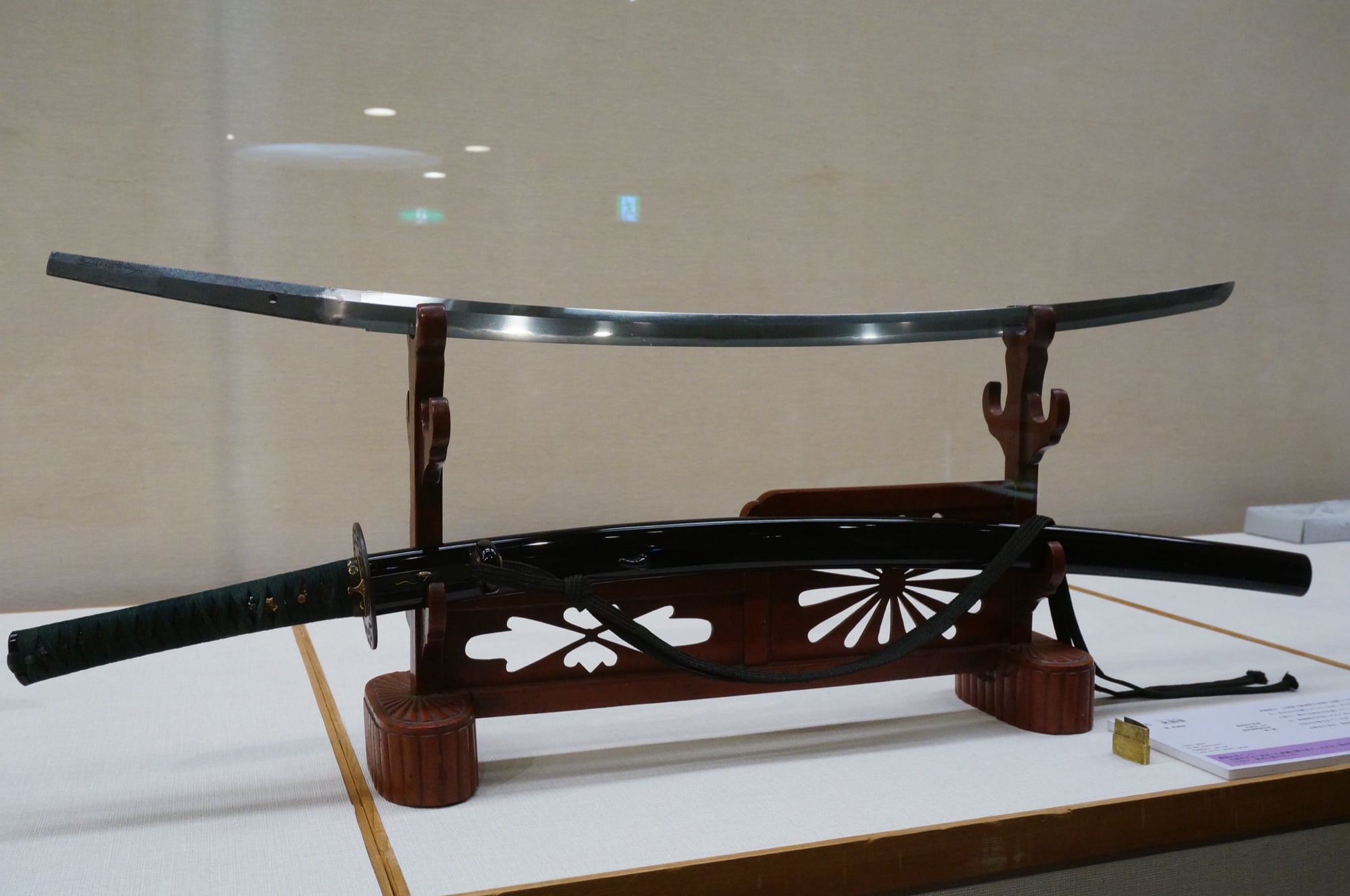
Tachi by Rai Kunitoshi, from the end of the Kamakura, with a katana mounting from the beginning of Meiji. SLIMHANNYA, CC BY-SA 4.0, via Wikimedia Commons · CC BY-SA 4.0 · source 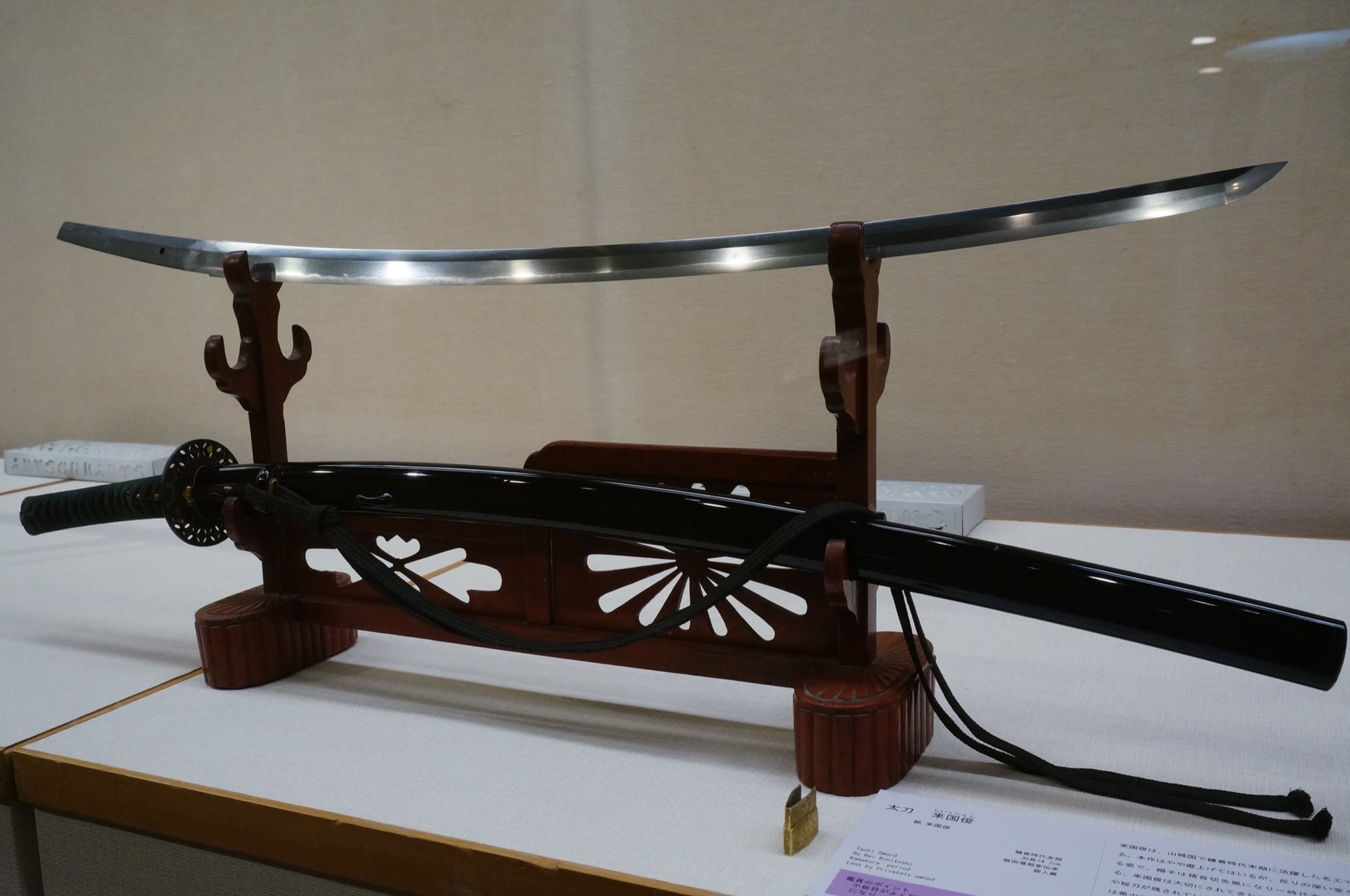
The same tachi, from the other side. SLIMHANNYA, CC BY-SA 4.0, via Wikimedia Commons · CC BY-SA 4.0 · source 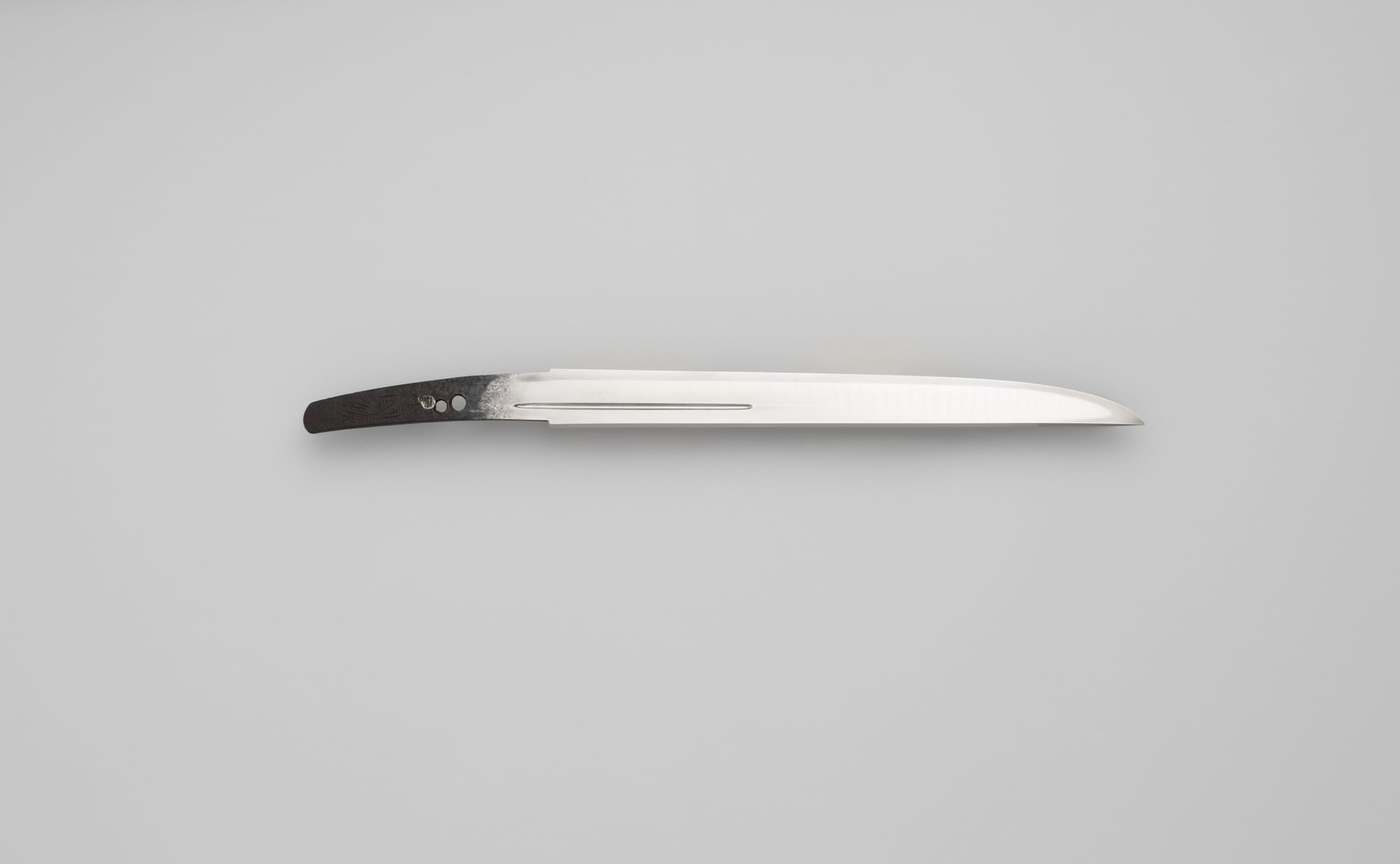
Tantō by Rai Kunitoshi, dated by the museum to around 1315-1316. The Metropolitan Museum of Art. The Metropolitan Museum of Art, New York · Public domain · source 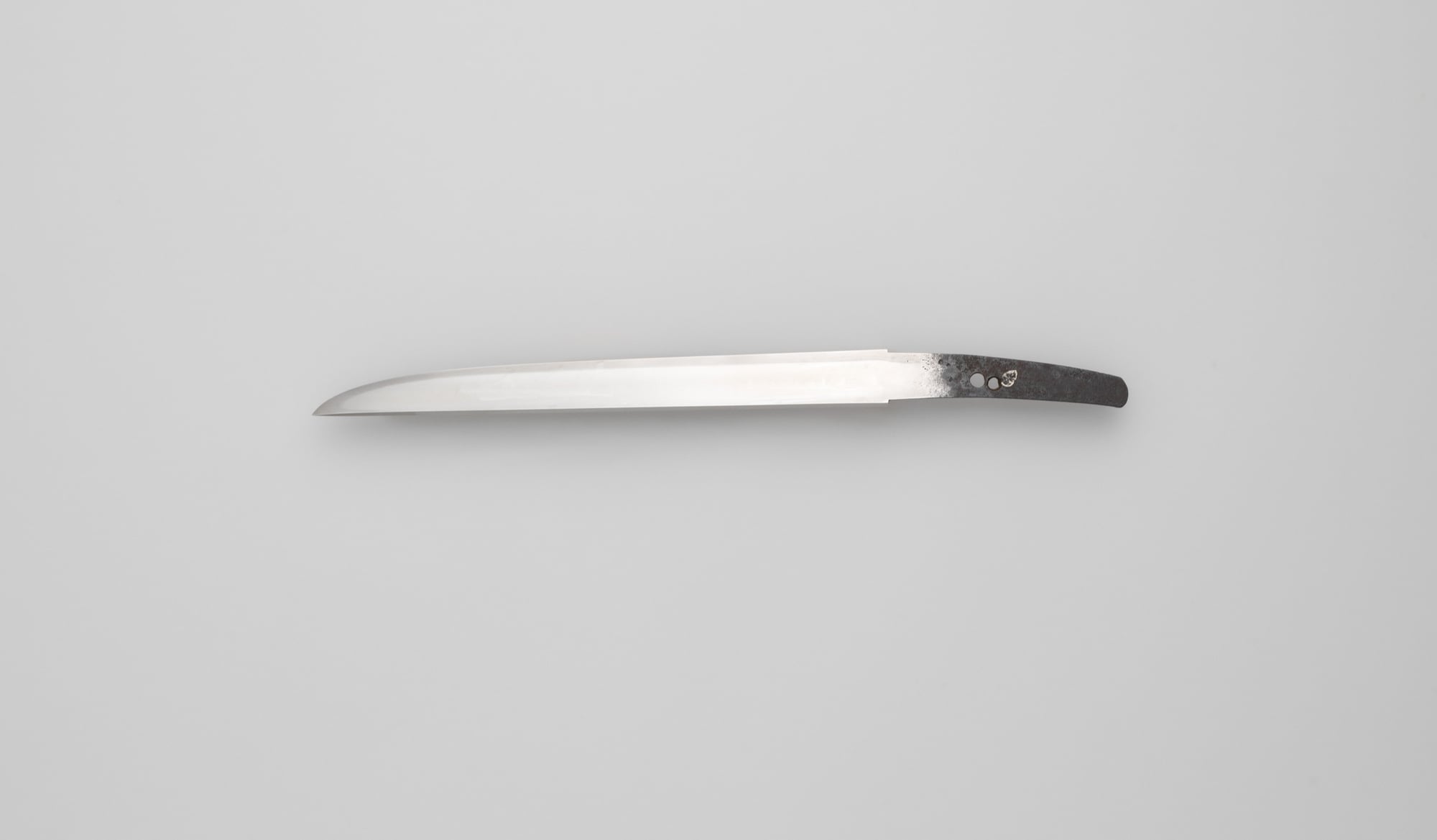
The Metropolitan Museum tantō, from the other side. The Metropolitan Museum of Art, New York · Public domain · source

