On this page
Quick profile
- Name
- Rai Kunitsugu; nickname “Kamakura-Rai” (鎌倉来, Kamakura-Rai) AT
- Kanji and reading
- 来国次 (Rai Kunitsugu) HD
- Period
- End of Kamakura and beginning of the Nanbokuchō: his dated works run from the Karyaku era (嘉暦, Karyaku, 1326–1329) to the Shōkyō era (正慶, Shōkyō, 1332–1334) AT
- Province
- Yamashiro (山城, Yamashiro), in Kyoto AT
- School
- Rai (来派, Rai-ha), of the Yamashiro tradition AT
- Kinship
- Son-in-law of Rai Kunitoshi (来国俊, Rai Kunitoshi) and older cousin of Rai Kunimitsu (来国光, Rai Kunimitsu), according to some sources; son or student of Kunimitsu, according to another AT
- What is documented
- His three-character signature, the dates of a few blades and his official designations: a National Treasure since 1955 HD
- The tradition
- That he was one of the ten students of Masamune (正宗十哲, Masamune jittetsu) and that he travelled to Kamakura: this is said by the Edo sword books, not by a document of his time AT
In short
He worked in Kyoto at the same time as Rai Kunimitsu, and his few dated works are from 1326 to 1334. He made two kinds of blade: the classical suguha of the Rai school and a ko-notare and gunome temper with plenty of nie, in the Sagami manner, on a ko-itame with chikei. The Edo sword books count him among the ten students of Masamune; today’s scholars see in this an influence of style, not necessarily an apprenticeship.
His tantō “Kishū Rai Kunitsugu” (紀州来国次, Kishū Rai Kunitsugu) was designated in 1937 under the old law and has been a National Treasure since 1955; the official record says that he was more skilled at tantō than at tachi. Even so, Markus Sesko counts as many signed tachi as signed tantō.
Sections
-
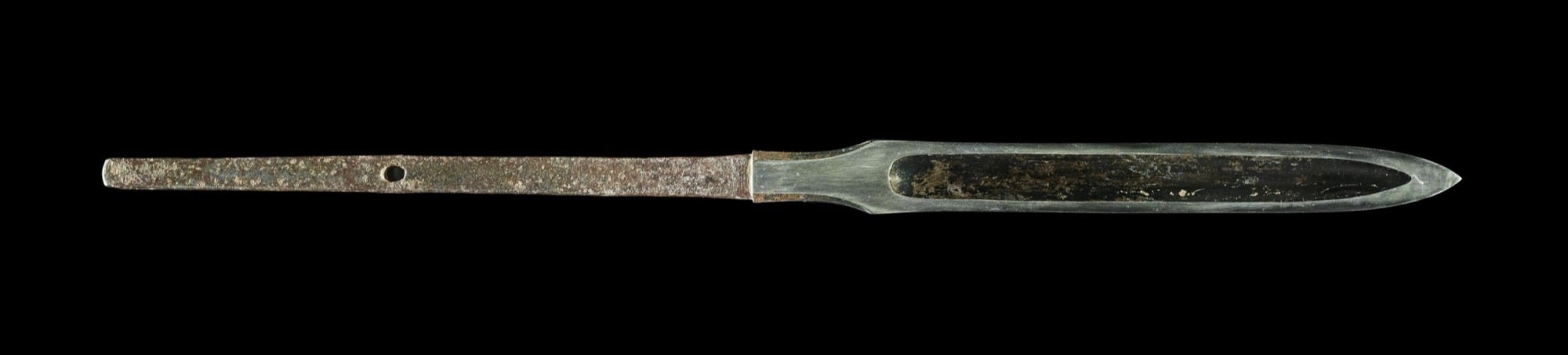 Kyoto, about 1326–1334
Life and times
His family, his dates and the tradition that makes him a student of Masamune.
-
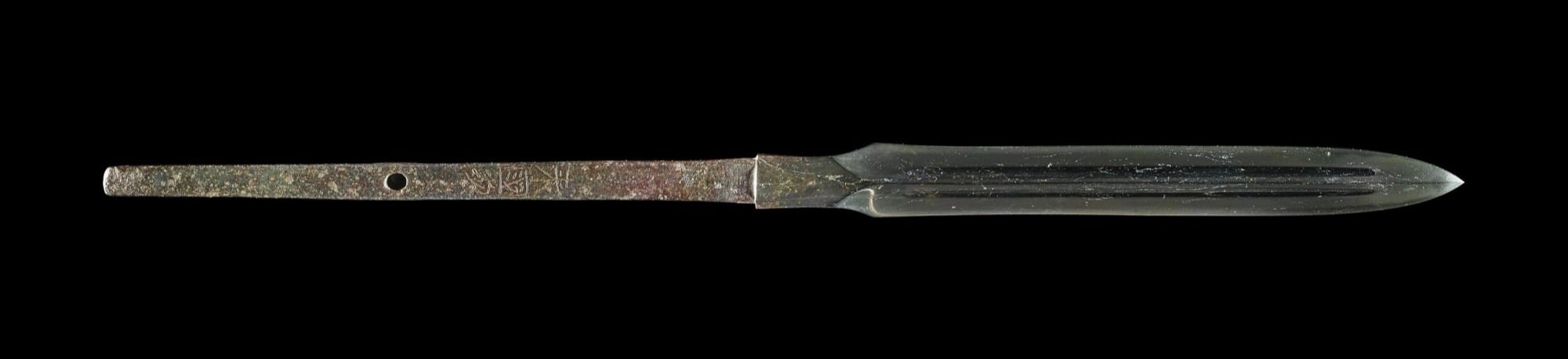 The Rai with chikei
Work and style
Jihada, hamon, bōshi, sugata, nakago and mei: the keys to recognising him.
-
A National Treasure and four cultural properties
Famous works
The “Kishū Rai Kunitsugu”, his Important Cultural Properties and the Tokyo yari.
-
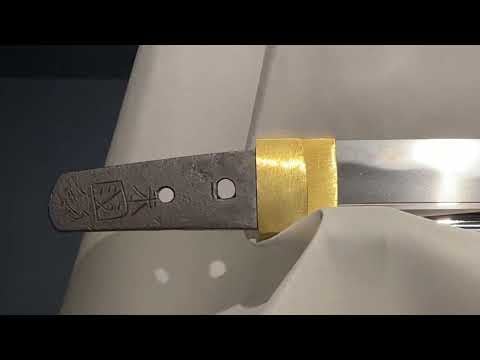 At the Japanese Sword Museum, 2024
Videos
Four of his pieces in a 2024 exhibition.
-
Bibliography and credits
Sources
The sources consulted and the image credits.