Samonji
左 (Sa)
A Hakata smith in Chikuzen of the late Kamakura and Nanbokuchō periods, head of the Samonji school; he signed with the single character «Sa».
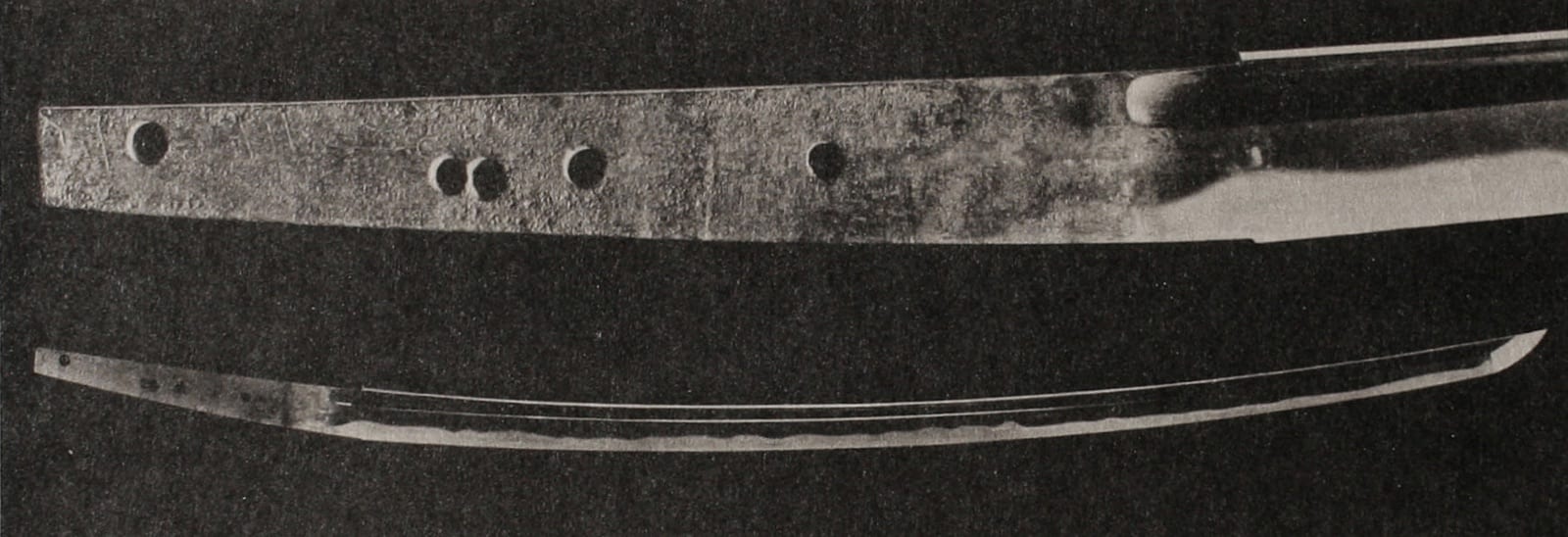
Profile
Samonji, also called Ō-Sa («the great Sa»), worked in Hakata, in Chikuzen on Kyūshū, and signed his blades with a single character, «Sa», which gave the school its name. He is known as Saemon Saburō; he was the son of Jitsua, also a smith, and tradition makes him a pupil of Masamune and one of his «ten pupils». With him the Chikuzen sword left the rustic, sober local manner for a bright, refined style, with very tight steel and a notare hamon in nie. Almost all his signed work is tantō; the school was carried on by his son Yasuyoshi and his pupils, and several of his works bear names of their own.
Monograph
Samonji (左, Sa)
Who Sa was, what is documented and what is tradition, told with the level of evidence of each fact.
Read the monograph
Notable works
- Kōsetsu Samonji: tachi, national treasure.
- Taikō Samonji: tantō, national treasure.
- Sōza Samonji and Sayo Samonji: important cultural properties.