
On this page
Quick profile
- Name
- Suishinshi Masahide AT
- Kanji and reading
- 水心子正秀 (Suishinshi Masahide), as signed on the katana of 1808 in the Tokyo National Museum HD
- Period
- End of the Edo period (shinshintō) AT
- Province
- Born in Dewa (出羽), on Yonezawa land; worked in Edo AT
- School
- Swordsmith to the Akimoto (秋元) house, lords of Yamagata; initiator of the return to the old ways AT
- Master
- Shitahara Yoshihide (下原吉英), in Hachiōji, from 1771 AT
- Title
- No honorary title is recorded. From 1818 he signed 天秀 (Tenshū), which Kotobank reads Amahide. PC
- Generations
- He was followed by his son, the second, and the one called the fourth; Masatsugu (正次), adopted son of the second, did not inherit the name AT
- Rank
- One of the three great swordsmiths of Edo (江戸三作, Edo sansaku), with Taikei Naotane and Minamoto Kiyomaro, as the NBTHK brought them together in its 2025 exhibition HD
- Documented fact and tradition
- Documented: three blades of his and his Tōken bengi (刀劔弁疑) in the Tokyo National Museum, and four Jūyō Tōken in the NBTHK exhibition of 2025. Tradition: he is held to be the initiator of shinshintō, and he is said to have trained more than a hundred swordsmiths. HD
In short
He began by making blades in the Ōsaka manner, with the tōran-ba of Tsuda Sukehiro, and then, convinced that the sword had to return to that of the Kamakura and the Nanbokuchō, he worked in the Bizen and Sagami traditions and published his methods, until then secret. In 2025, the bicentenary of his death, the NBTHK devoted to him, with Naotane and Kiyomaro, the exhibition “Three Excellent Swordsmiths” at the Japanese Sword Museum in Tokyo.
Sections
-
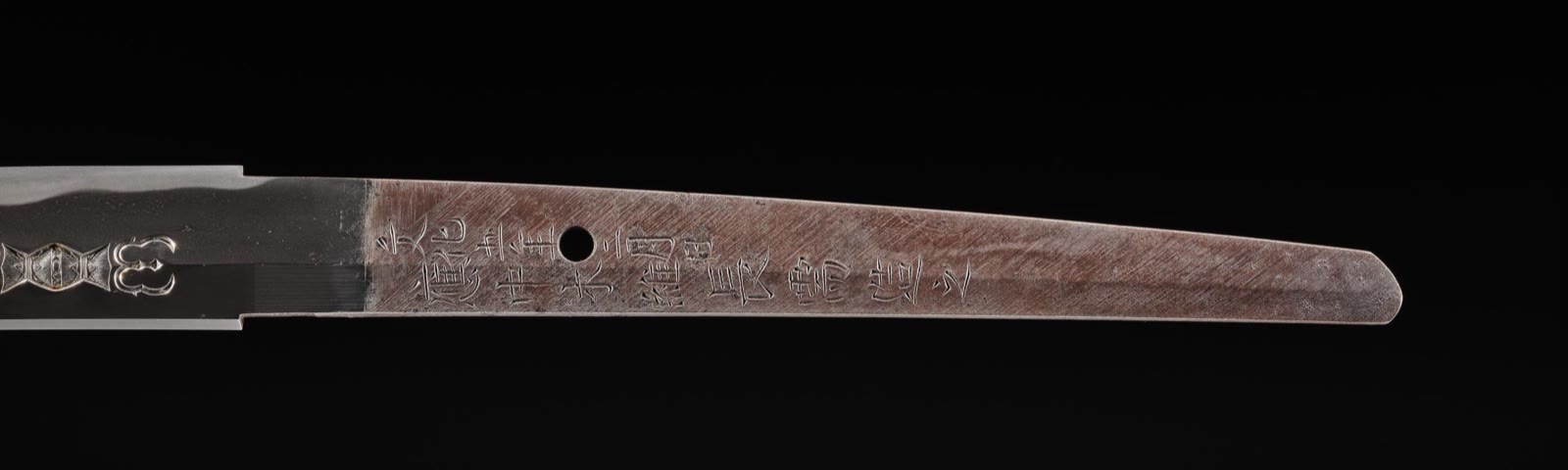 From Dewa to Edo
Life and times
Dewa, his apprenticeship, the Akimoto, his books, his pupils and his successors.
-
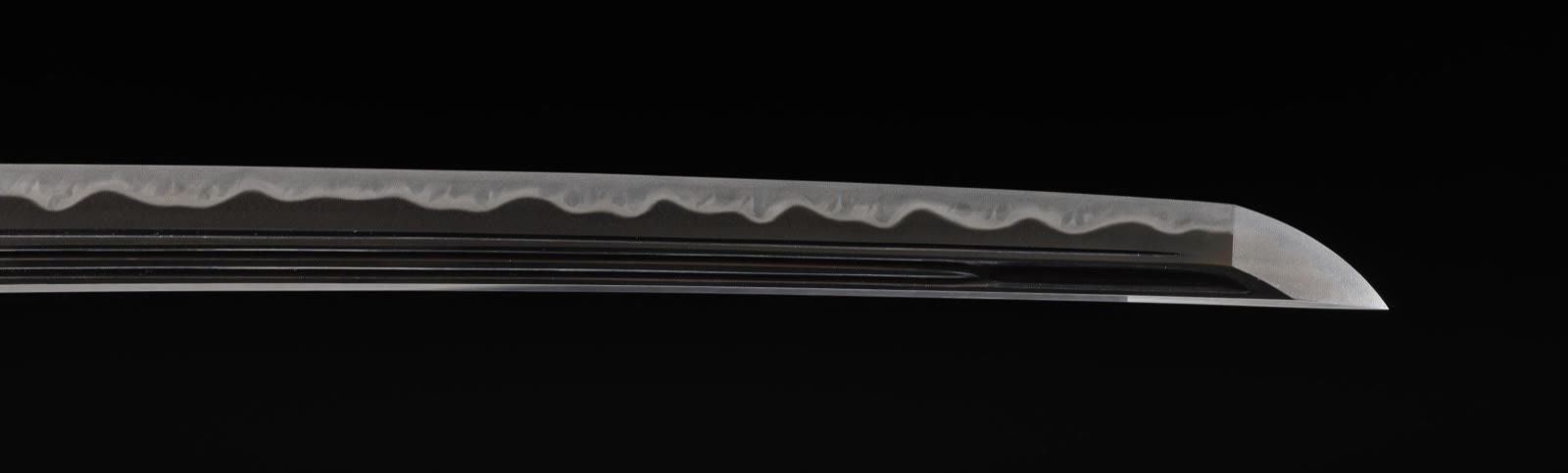 From the tōran-ba to the return to the old ways
Work and style
His evolution, the kantei keys and how to tell him from Sukehiro.
-
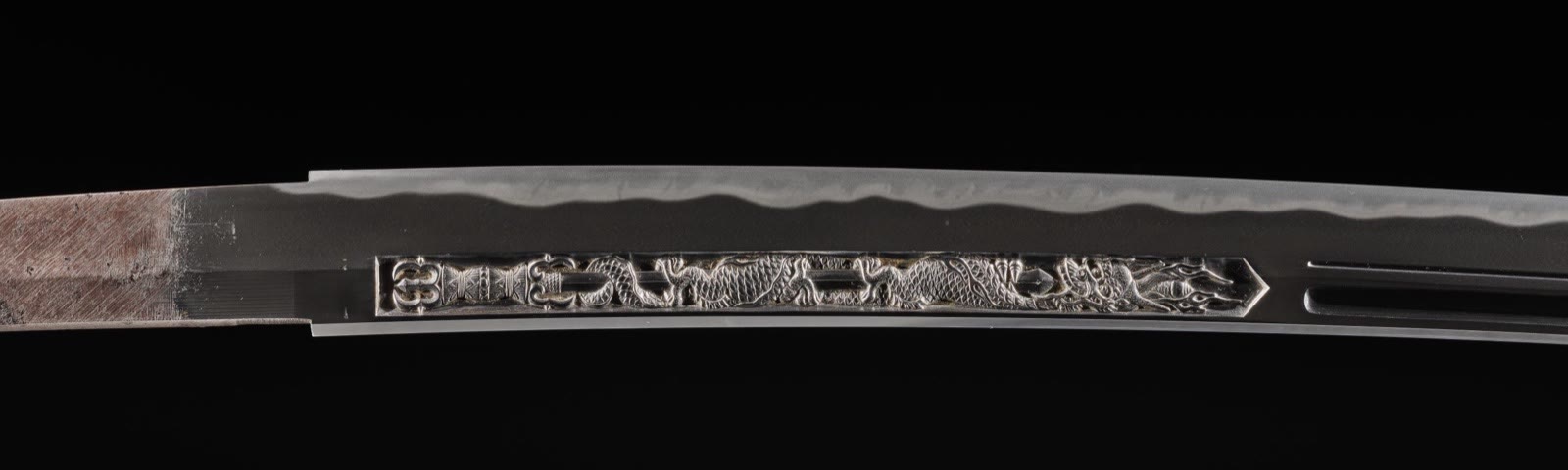 Museums, Jūyō Tōken and the bicentenary
Famous works
His blades in museums and shrines, his Jūyō Tōken and his books.
-
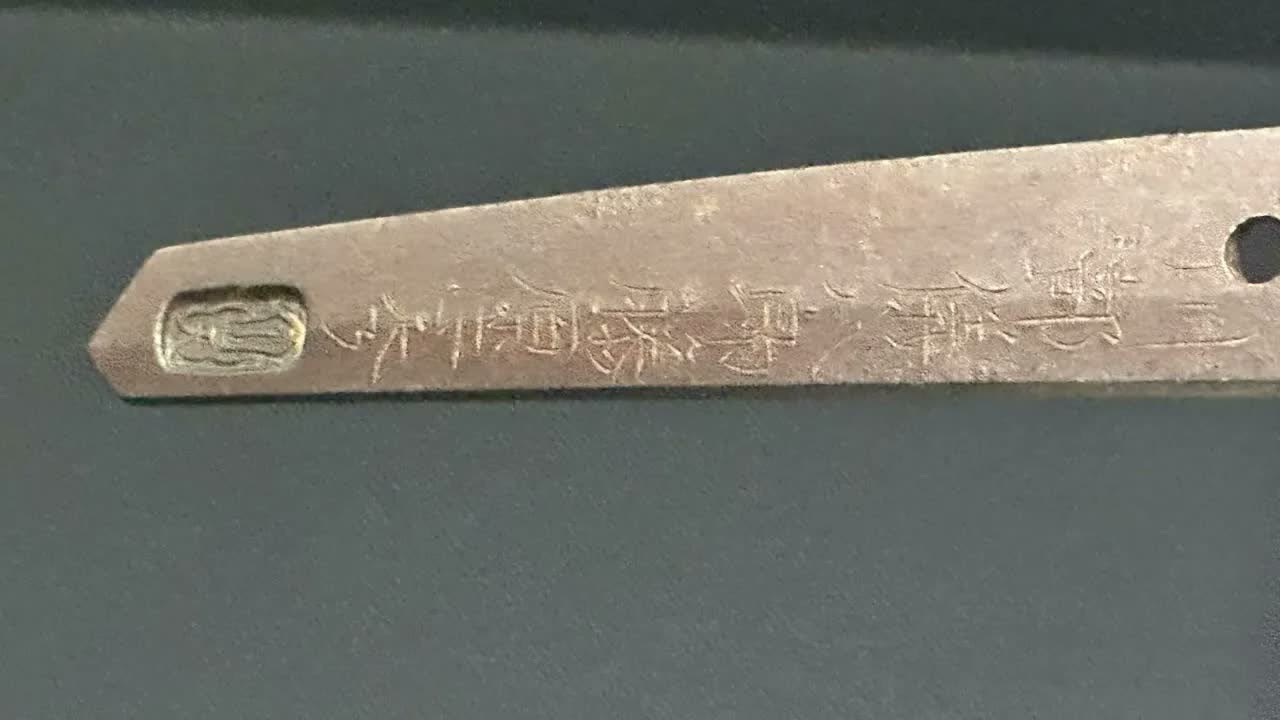 The bicentenary and his homeland
Videos
The bicentenary exhibition and a documentary about his life.
- Bibliography and credits Sources The sources consulted on 5 October 2026, with their link, and the credit for each image.