On this page
Why Bizen
He takes the Bizen-den as his model, above all the chōji of the Ichimonji and of Osafune of the Kamakura period. He gives two reasons: the iron of Harima, his home province, which came down the rivers from Shisō and Chigusa to Osafune, and the fact that almost half of the swords that are National Treasures or Important Cultural Properties are from Bizen.
He wants works to be enjoyed with all five senses, he enters every competition because “listening to a third party is what makes the work grow”, and he entrusts the polishing, the habaki and the saya to prize-winning craftsmen.
The tachi of the 2018 Takamatsu-no-miya Kinenshō, according to the NBTHK HD
The tachi of the Takamatsu-no-miya Kinenshō measures 79.0 cm, with 2.7 cm of sori (the 2019 catalogue gives 2.8). It is shinogi-zukuri with iori-mune, wide and thick, with little difference in width between base and tip, a deep koshizori and a somewhat short chū-kissaki reminiscent of ikubi.
- Jihada: ko-itame with areas of nagare, ji-nie and a clear midare-utsuri.
- Hamon: high, chōji with ko-gunome, square gunome and points, many ashi and yō, nioi-deki and a bright nioiguchi.
- Bōshi: midare-komi, with the turn-back in komaru.
- Horimono: a dragon rising after the pearl on the front, bonji and an invocation to the dragon kings on the back, and an engraving on the mune by Sōfū (宗風, Sōfū).
Ishii Akira, who comments on it, compares it to a tachi of the mid-Kamakura period and, among the Ichimonji, places it close to the work of Yoshioka. He highlights the midare-utsuri and relates it to the one his master Kunihira showed when he won the Masamune Prize in 2014.
What he forges AT
Tachi, katana, wakizashi, tantō and sunnobi-tantō, naginata and omamori-gatana (守り刀, mamori-gatana, the protective sword). He also makes utsushi: the copy of the Shishiō (2018) and a 22.1 cm tantō of 2022 in the line of the Atsu Tōshirō (厚藤四郎, Atsu Tōshirō).
Gallery of works
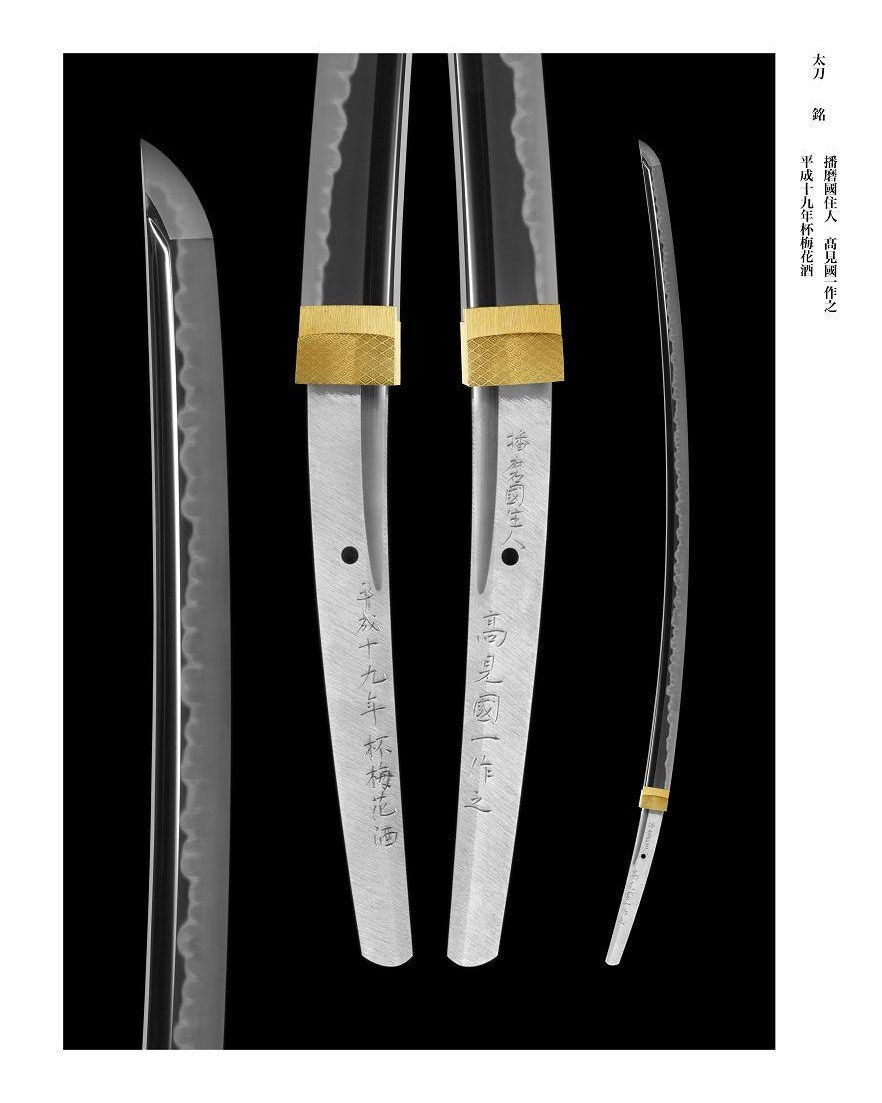
Tachi of 81.1 cm, NBTHK President’s Prize in 2007 Photo: Kei Nakamura · © Kei Nakamura (Spare Time Studio) 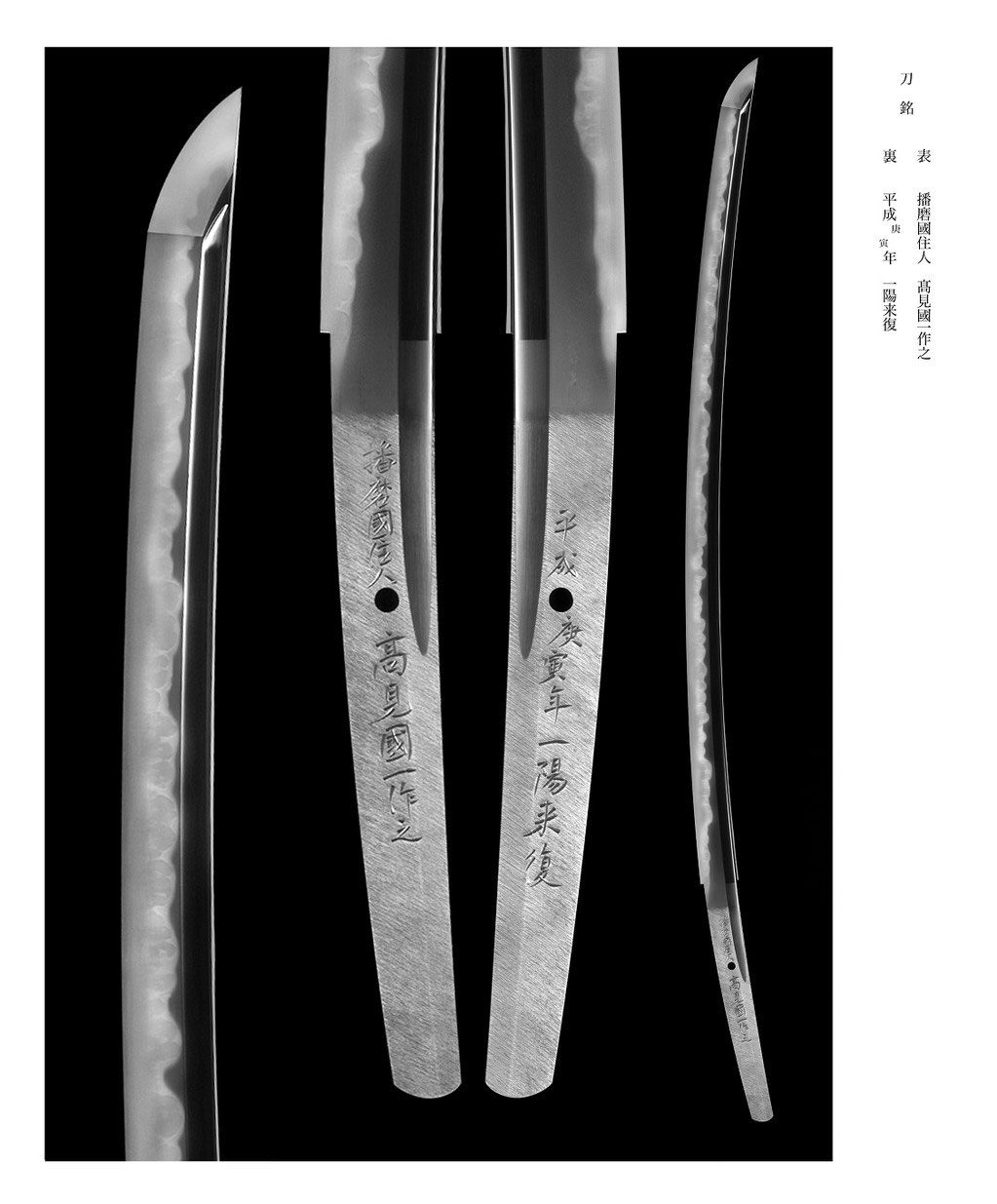
Katana of 2010, with 一陽来復 (ichiyō raifuku) on the nakago Photo: Kei Nakamura · © Kei Nakamura (Spare Time Studio) 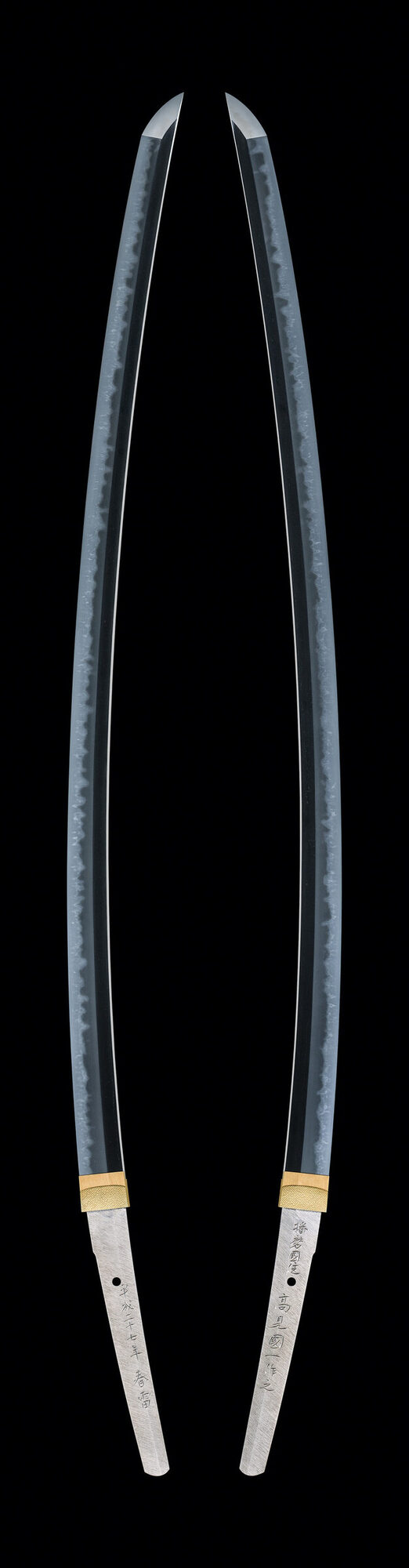
Tachi of 79.7 cm, 春雷 (shunrai), 2015 Kanzan Prize Photo: Kei Nakamura · © Kei Nakamura (Spare Time Studio) 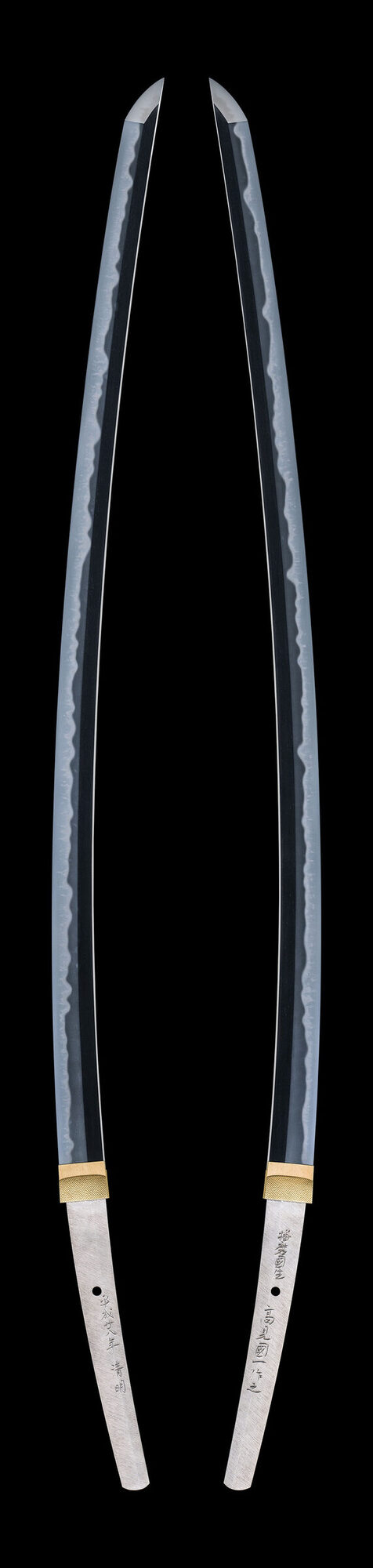
Tachi of 74.4 cm, 清明 (seimei), 2016 Kanzan Prize Photo: Kei Nakamura · © Kei Nakamura (Spare Time Studio) 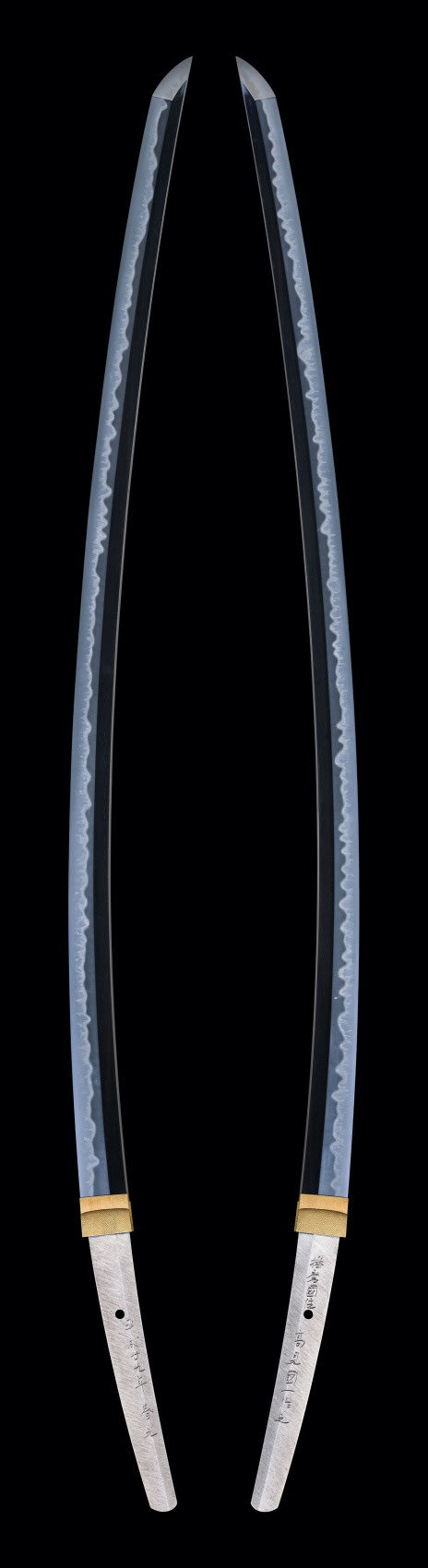
Tachi of 80.4 cm, 春光 (shunkō), 2017 Kanzan Prize Photo: Kei Nakamura · © Kei Nakamura (Spare Time Studio) 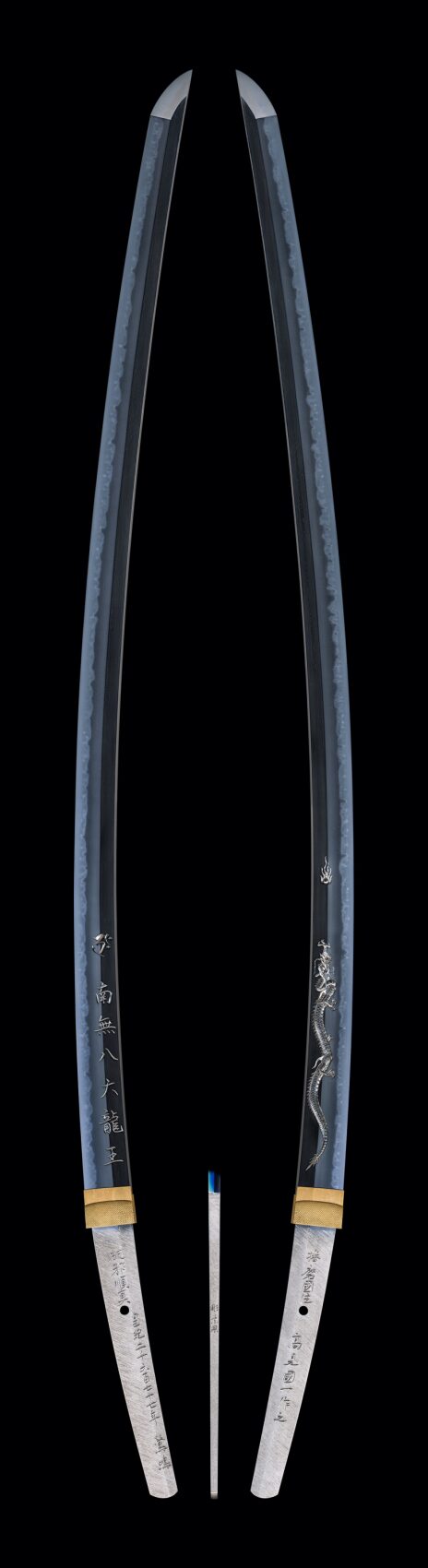
Tachi of 79.0 cm, 2018 Takamatsu-no-miya Kinenshō Photo: Kei Nakamura · © Kei Nakamura (Spare Time Studio) 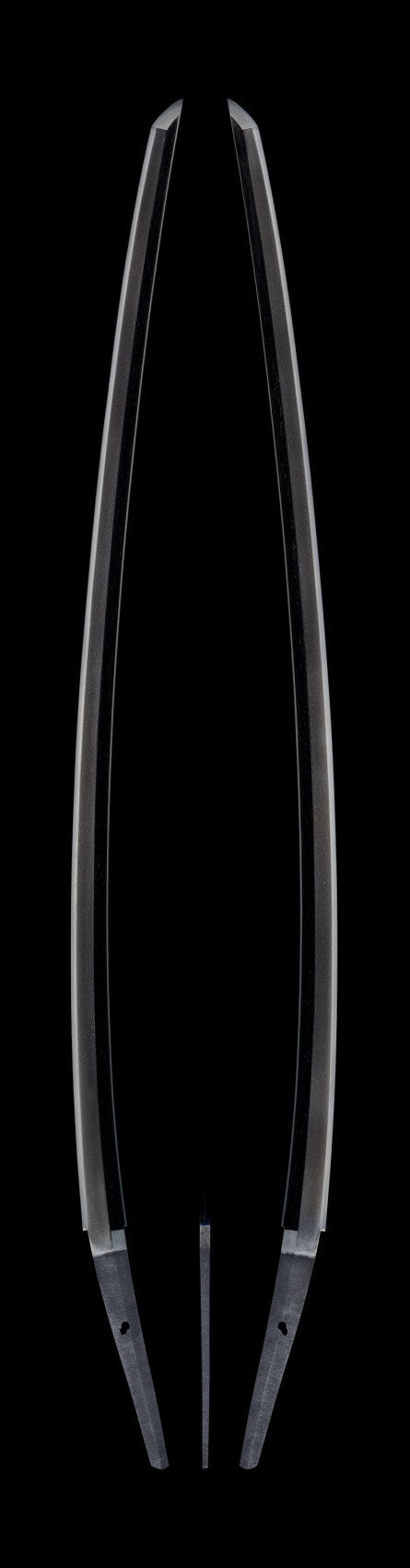
Wakizashi of 36.9 cm, 行雲流水 (kōun ryūsui), 2018 Photo: Kei Nakamura · © Kei Nakamura (Spare Time Studio) 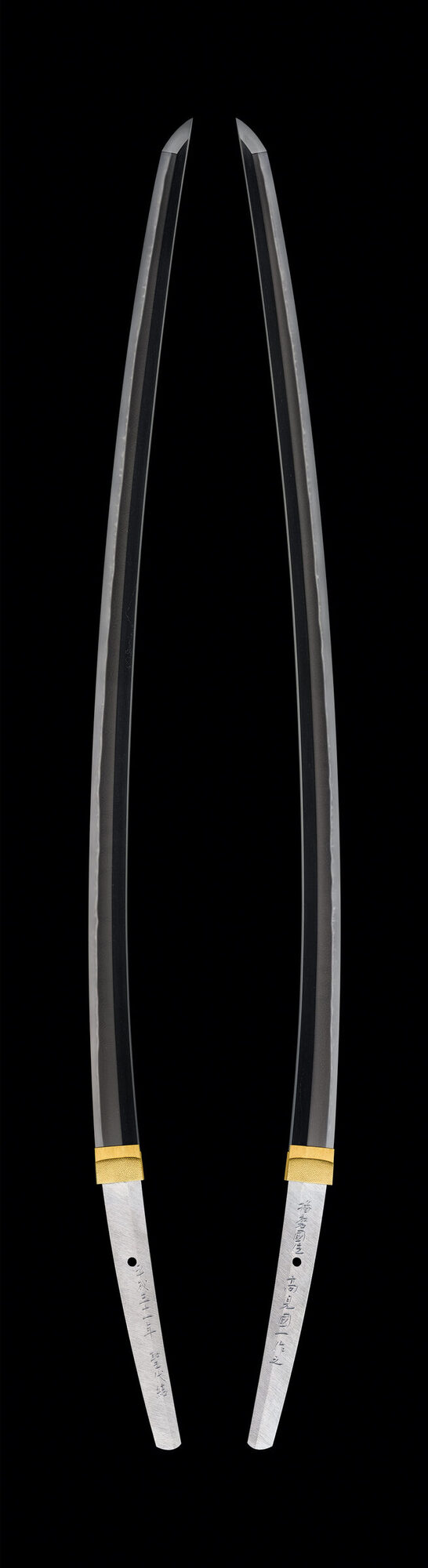
Tachi of 72.5 cm, 2019 Kunzan Prize Photo: Kei Nakamura · © Kei Nakamura (Spare Time Studio) 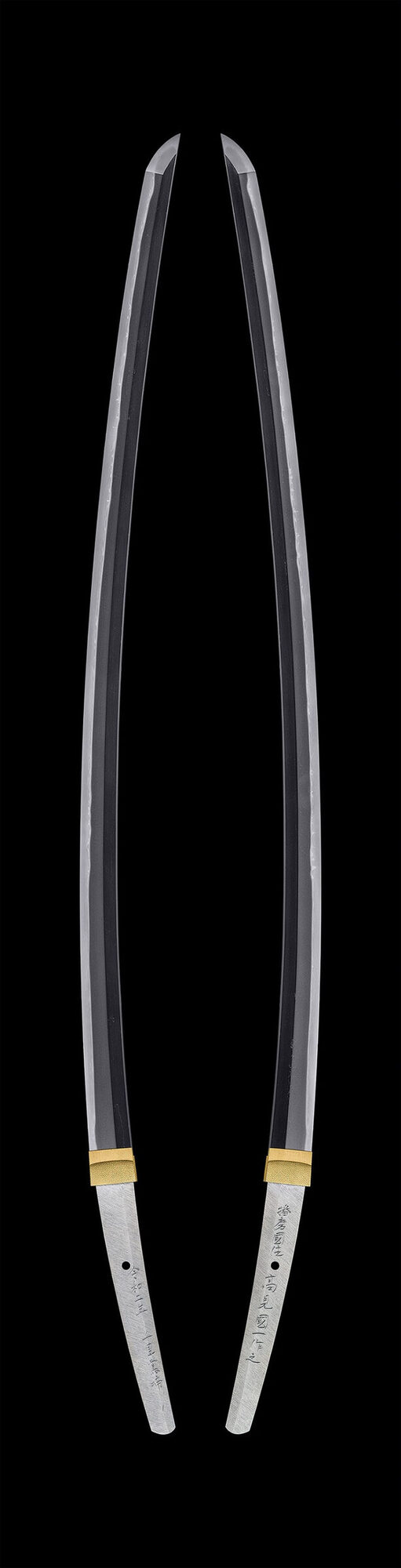
Tachi of 2020, exhibited as mukansa Photo: Kei Nakamura · © Kei Nakamura (Spare Time Studio) 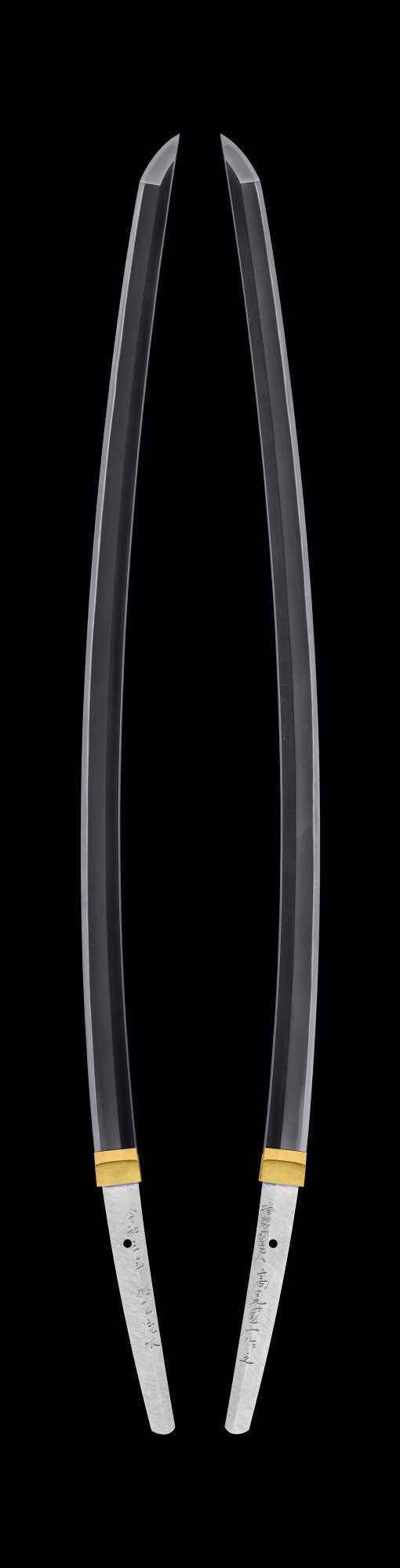
Tachi of 76.4 cm, 桃花流水 (tōka ryūsui), exhibited as mukansa in 2021 Photo: Kei Nakamura · © Kei Nakamura (Spare Time Studio) 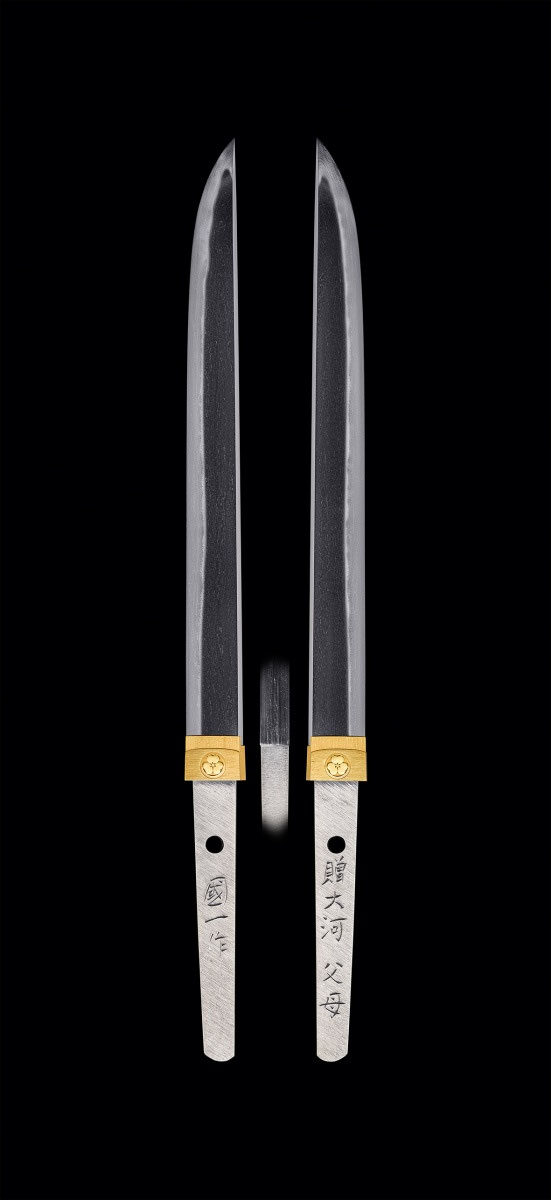
Tantō of 22.1 cm, 2022, in the line of the Atsu Tōshirō Photo: Kei Nakamura · © Kei Nakamura (Spare Time Studio)