On this page
Quick profile
- Name
- Tomonari; also Ko-Bizen Tomonari; he signed 備前国友成 (Bizen no kuni Tomonari), 備前国友成造 (Bizen no kuni Tomonari zō), 友成 (Tomonari) or 友成作 (Tomonari saku) HD
- Kanji and reading
- 友成 (Tomonari); 古備前友成 (Ko-Bizen Tomonari) HD
- Period
- Heian period; tradition places him around the era 永延 (Eien, 987–989); dates of birth and death unknown AT
- Province
- Bizen (備前, Bizen), today Okayama AT
- School
- Ko-Bizen (古備前, Ko-Bizen): the collective name for the early swordsmiths of Bizen, not a specific school AT
- Lineage
- Son of 実成 (Sanenari), according to tradition; the name was used by several swordsmiths, down to the Kamakura period AT
- What is documented
- Blades signed with his name: three National Treasures and six Important Cultural Properties in the official database of the Agency for Cultural Affairs HD
- The tradition
- That he forged a sword with his father for Emperor Ichijō and that he worked around the Eien era AT
In short
Tradition makes Tomonari the oldest swordsmith of Ko-Bizen and tells that Emperor Ichijō summoned him to forge a sword with his father, Sanenari. The dictionaries give him, with Masatsune, as the great representative of Ko-Bizen, and the NBTHK counts him among the two best swordsmiths of Ko-Bizen.
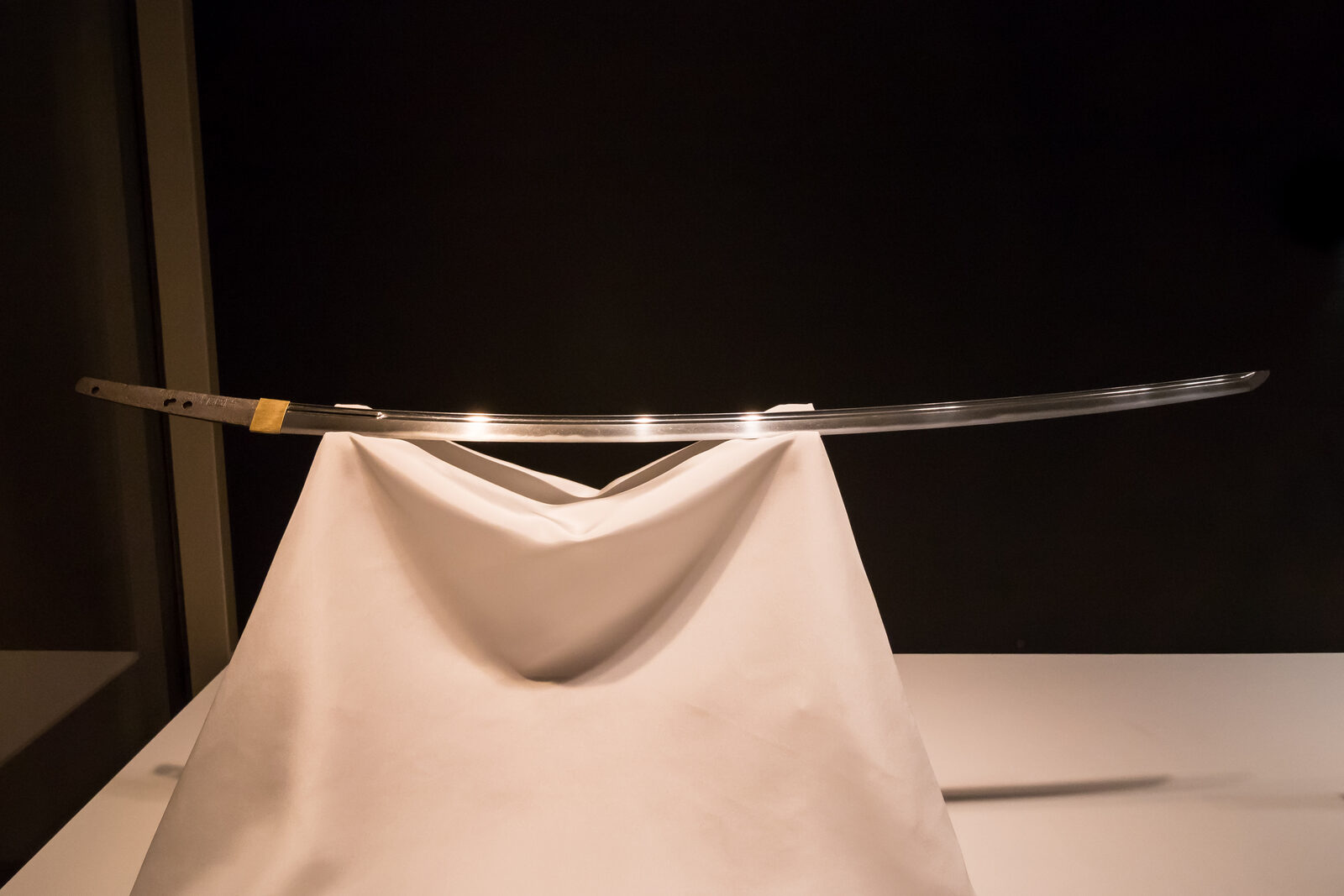
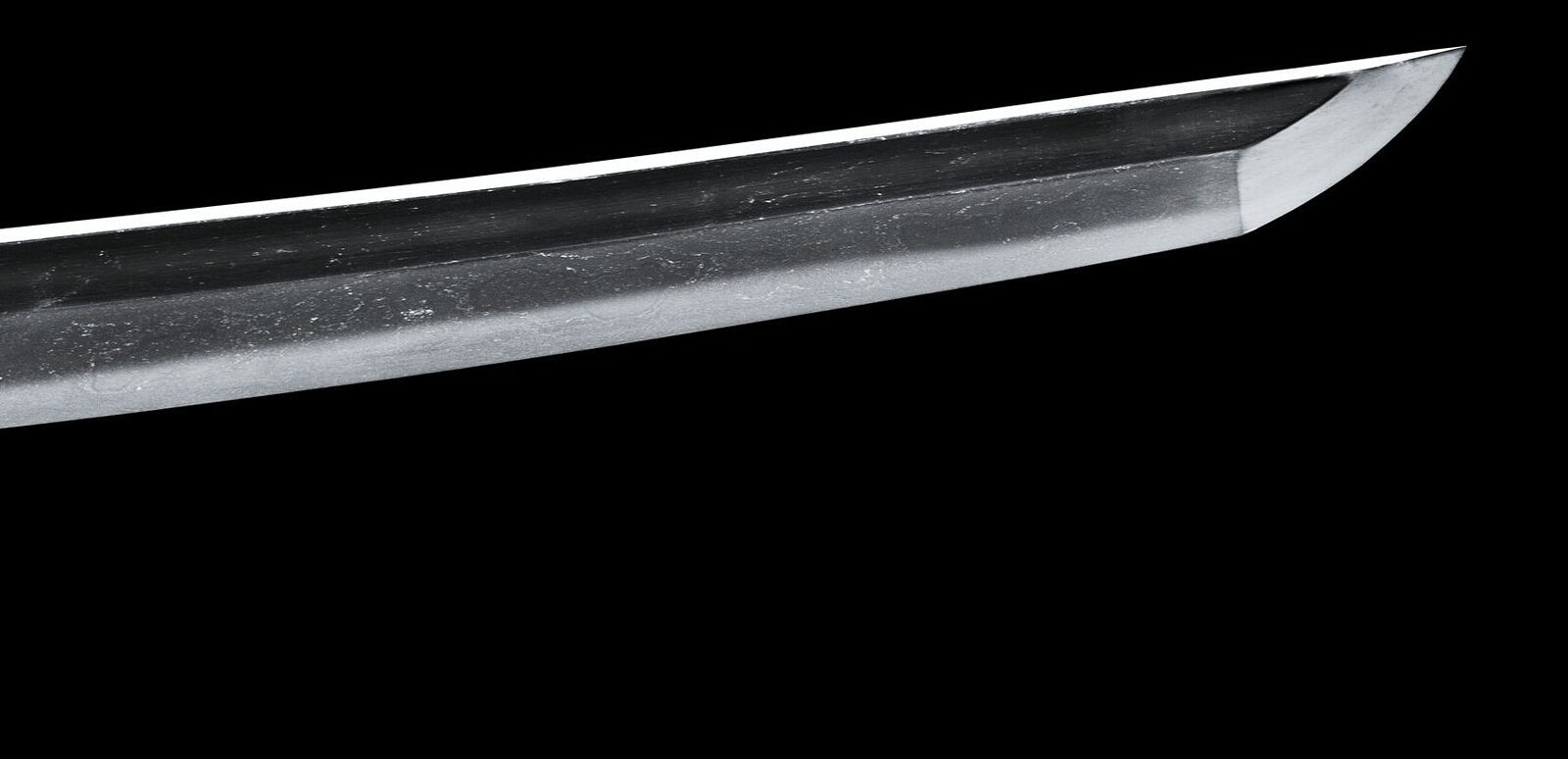
Three works with his signature are National Treasures: a tachi in the Tokyo National Museum and a tachi and a koshigatana of the Itsukushima shrine. The Uguisumaru (鶯丸, Uguisumaru), in the imperial collection, is dated by its style to around the turn of the 10th to the 11th century.
The signatures by different hands and a blade of the era 嘉禎 (Katei, 1235–1238) show that the name was borne by several swordsmiths, from the Heian to the Kamakura period.
Sections
-
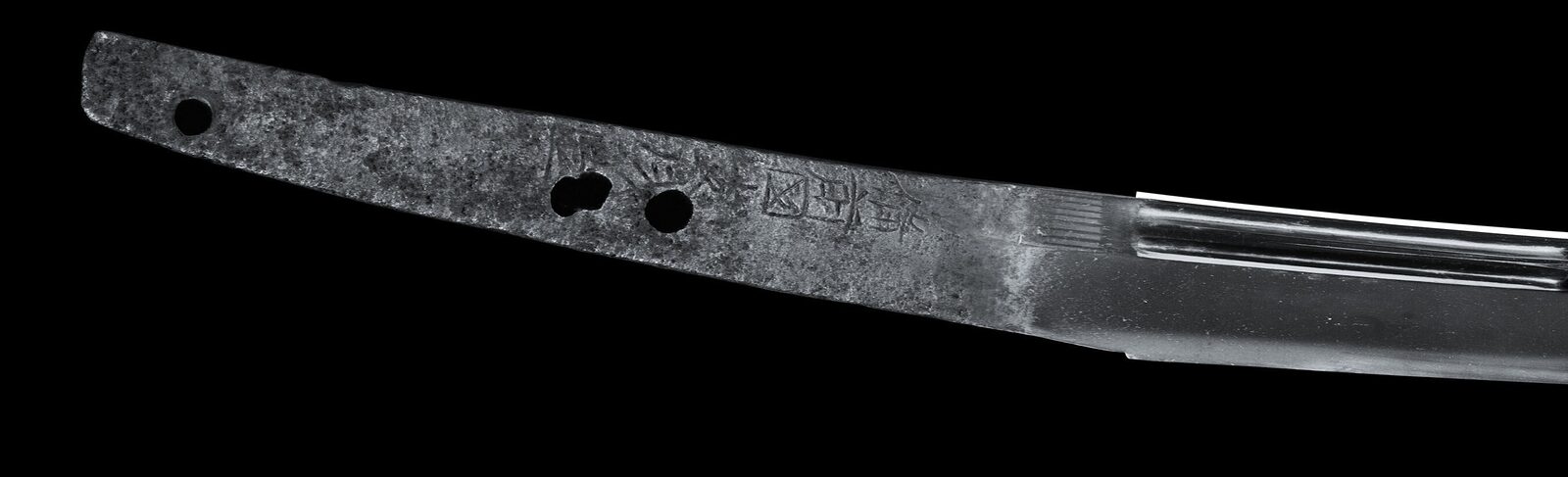 Bizen, Heian period
Life and times
The tradition of Emperor Ichijō, the dates that do not match and the several Tomonari.
-
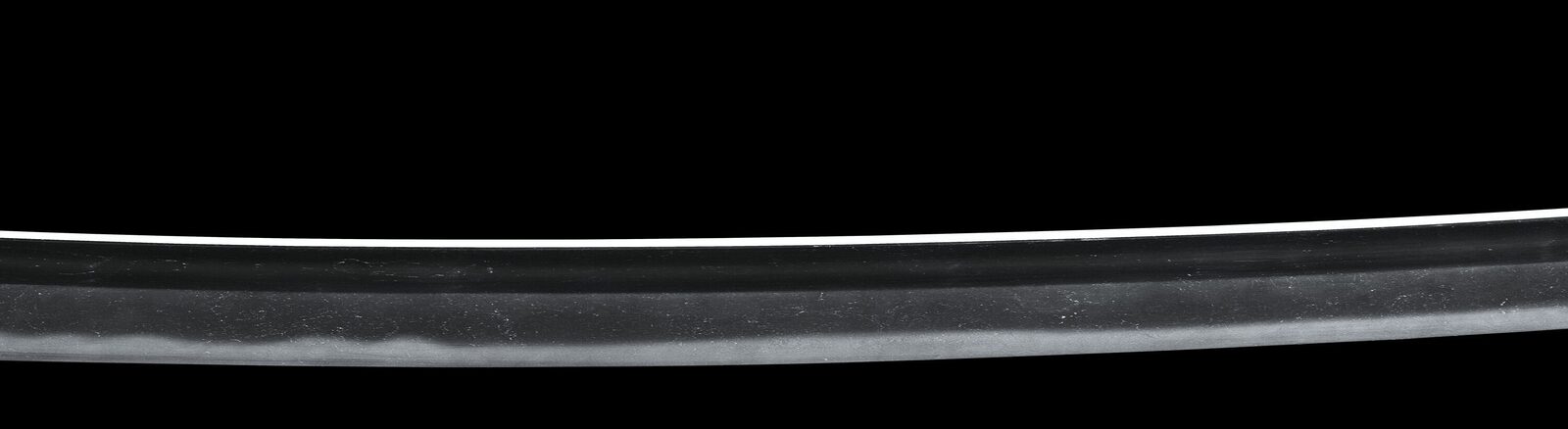 Slender sugata · classical ko-midare
Work and style
Sugata, jihada, hamon, bōshi, nakago and mei: the keys to recognising him.
-
 Three National Treasures and the Uguisumaru
Famous works
His National Treasures, his Important Cultural Properties, the Uguisumaru and his blades in museums.
-
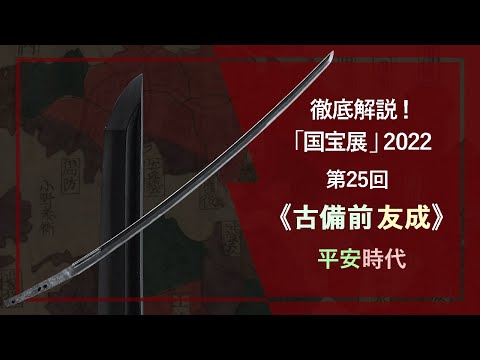 The tachi of the Tokyo National Museum
Videos
Two videos of the National Treasure tachi of the Tokyo National Museum.
-
 Bibliography and credits
Sources
The sources consulted and the image credits.