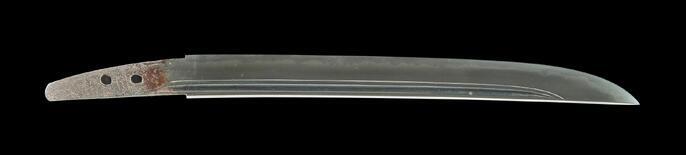
On this page
Quick profile
- Name
- Yasuyoshi, also Sa Yasuyoshi from the 左 (sa) signature of his school HD
- Kanji and reading
- 安吉 (Yasuyoshi); signatures 左安吉 (Sa Yasuyoshi) and 長州住安吉 (Chōshū-jū Yasuyoshi) HD
- Period
- Nanbokuchō, 14th century; blades dated Shōhei 12 (1357) and Shōhei 17 (1362). The dates of his birth and death are not known HD
- Province
- Chikuzen (Fukuoka) and, later, Nagato (Chōshū), in present-day Yamaguchi HD
- School
- Samonji (左文字), or the Sa school, of Chikuzen HD
- Master and lineage
- Son or pupil of Samonji, according to the Tokyo National Museum and Kotobank AT
- Documented fact and tradition
- Documented: his signed blades, two of them dated, and the Nagato signature. Tradition: that he was Samonji’s son and that Samonji himself was called Yasuyoshi. AT
In short
What we know. That he signed large tantō as 左安吉 (Sa Yasuyoshi) or 安吉 (Yasuyoshi), one dated 1357 and another 1362, the latter already as a resident of Nagato, and that several are Important Cultural Properties.
How we know it. From those blades, described by the Tokyo National Museum, the Agency for Cultural Affairs and the NBTHK.
What we do not know. When he was born and died, and whether he was Samonji’s son or only his pupil.
Sections
-
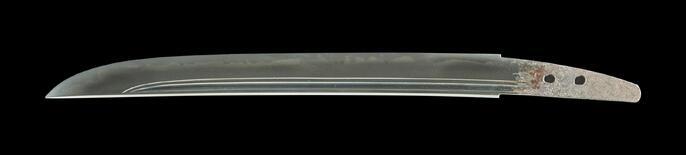 Samonji · Southern Court · Nagato
Life and times
Son or pupil of Samonji, his two dates and his move to Nagato.
- Large tantō · itame and nagare · ko-notare Work and style Sugata, jihada, hamon, bōshi, horimono and signature: the kantei keys, and where the sources disagree.
-
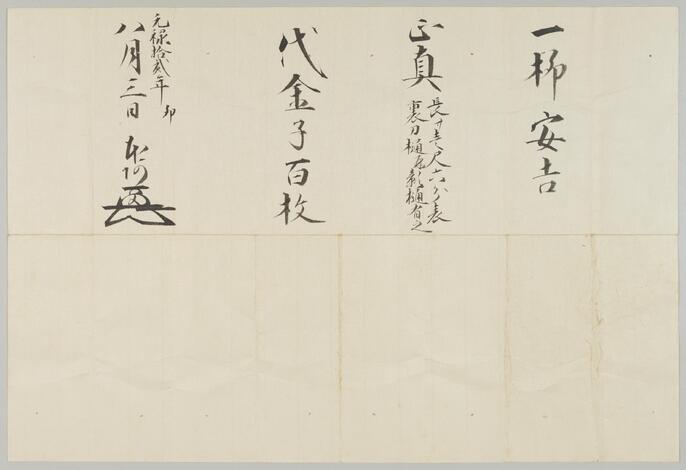 Meibutsu · Important Cultural Properties
Famous works
The Hitotsuyanagi and the Heki Yasuyoshi, the Inuyama tantō and his other designated blades.
- Bibliography and credits Sources The sources consulted on 4 October 2026, with their links, and the credit for each image.