On this page
Quick profile
- Name
- Yoshifusa; also Fukuoka Ichimonji Yoshifusa, after his school HD
- Kanji and reading
- 吉房 (Yoshifusa), a two-character signature; 福岡一文字吉房 (Fukuoka Ichimonji Yoshifusa) HD
- Period
- Mid-Kamakura, 13th century; the dates of his birth and death are not known, and none of his blades is dated AT
- Province
- Bizen, in present-day Okayama: Fukuoka, on the banks of the Yoshii River HD
- School
- Fukuoka Ichimonji (福岡一文字) HD
- Master and lineage
- Son of 助房 (Sukefusa), according to the Japanese Wikipedia AT
- Generations
- Perhaps more than one Yoshifusa: the Japanese Wikipedia distinguishes two by their given name; Ogasawara Nobuo believes there was only one AT
- Documented fact and tradition
- Documented: his signed tachi and their designations. Tradition: his family, his exact period and how many swordsmiths signed Yoshifusa. AT
In short
What we know. That he signed 吉房 (Yoshifusa) a number of Bizen tachi with a showy chōji: five are National Treasures and three, Important Cultural Properties.
How we know it. From those blades, described in the records of the Agency for Cultural Affairs and of the Tokyo National Museum.
What we do not know. Exactly when he lived and whether he was a single swordsmith or several with the same name.
Sections
-
 Fukuoka · Sukefusa · one or several?
Life and times
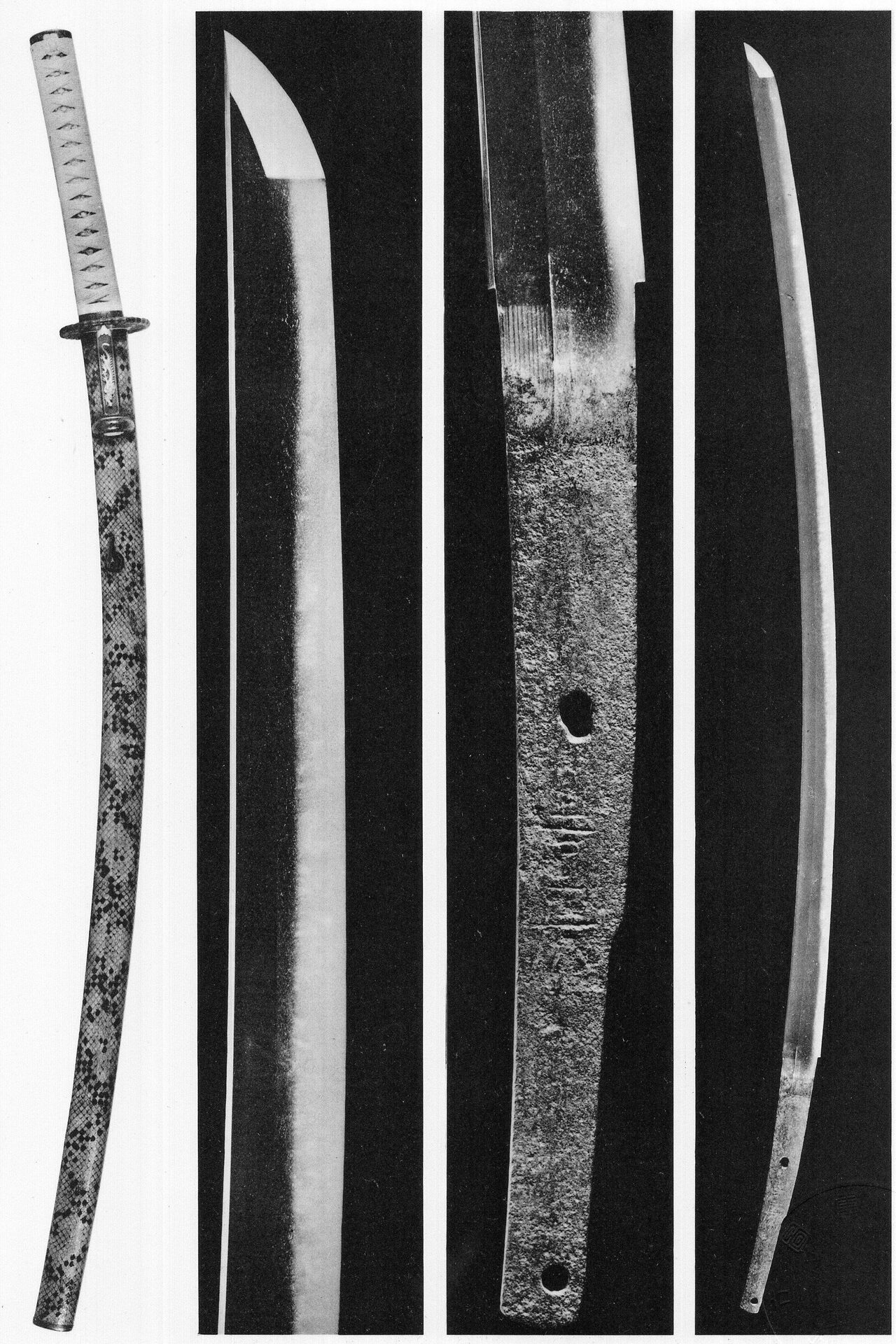
The school, his family and the doubt over whether there was more than one Yoshifusa.
-
 Jūka-chōji · midare-utsuri · ikubi-kissaki
Work and style
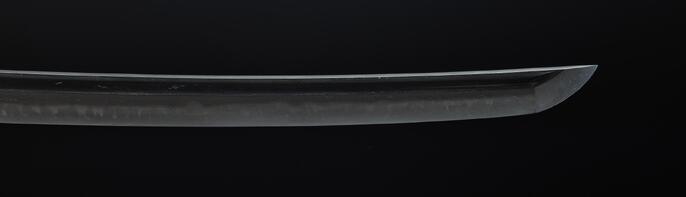
Sugata, jihada, hamon, bōshi, nakago and signature: the kantei keys, with the details of three National Treasures.
-
 Five National Treasures · Okada-giri
Famous works
The Okada-giri, his other four National Treasures and his three Important Cultural Properties.
-
 His tachi on display
Videos
Three videos of his tachi on display in Tokyo and in Fukuyama.
- Bibliography and credits Sources The sources consulted on 4 October 2026, with their links, and the credit for each image.