On this page
Quick profile
- Name
- Yukimitsu, known as Tōsaburō; also Sōshū Yukimitsu, after his province AT
- Kanji and reading
- 行光 (Yukimitsu), a two-character signature; 藤三郎 (Tōsaburō); 相州行光 (Sōshū Yukimitsu) HD
- Period
- Late Kamakura; none of his blades is dated, and his period is inferred from that of Shintōgo Kunimitsu, his master according to the genealogies, with works dated from 1293 to 1322 according to the NBTHK, or to 1324 according to the Japanese Wikipedia AT
- Province
- Sagami, in present-day Kanagawa: Kamakura HD
- School
- Sōshū (相州, Sōshū), the school of Shintōgo Kunimitsu AT
- Master and lineage
- Pupil, or son, of Shintōgo Kunimitsu; father, or adoptive father, of Masamune, according to tradition AT
- Documented fact and tradition
- Documented: two signed blades and the Maeda tantō, a National Treasure. Tradition: his kinship with Kunimitsu and with Masamune, and his dates. AT
In short
What we know. That he signed 行光 (Yukimitsu) a suguha tantō rich in nie that is a National Treasure, and that the oldest treatises place him among Kunimitsu’s pupils.
How we know it. From the record of the Agency for Cultural Affairs and that of the Tokyo National Museum, and from the NBTHK.
What we do not know. When he was born and died, and whether he really was Masamune’s father.
Sections
-
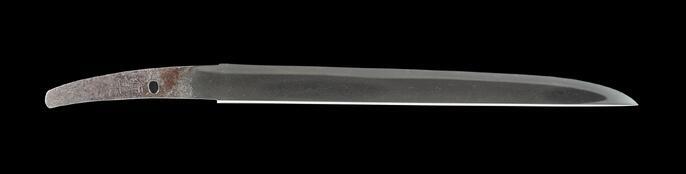 Tōsaburō · Kunimitsu · Masamune
Life and times
What the oldest treatises and the genealogies of Masamune say about him.
-
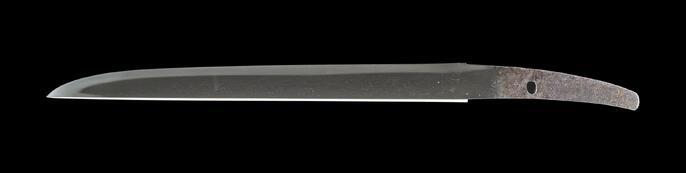 Nie suguha · chikei · kinsuji
Work and style
Sugata, jihada, hamon, bōshi, nakago and signature: the kantei keys, with the record of the Maeda tantō.
-
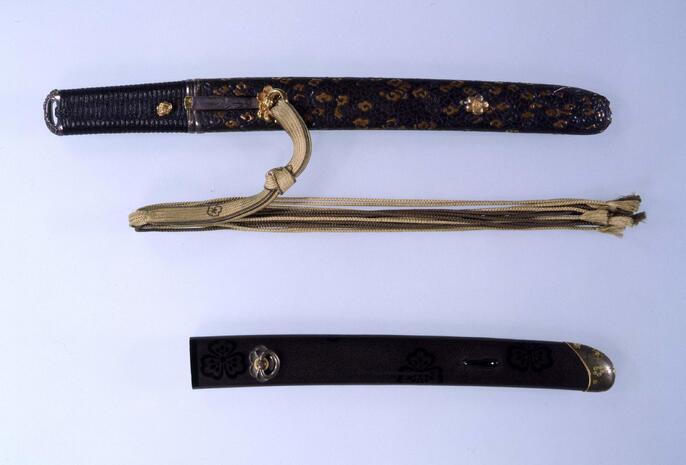 National Treasure · Imperial Household · Fudō Yukimitsu
Famous works
The Maeda tantō, the one of the Imperial Household, the Fudō Yukimitsu and the blades attributed to him.
-
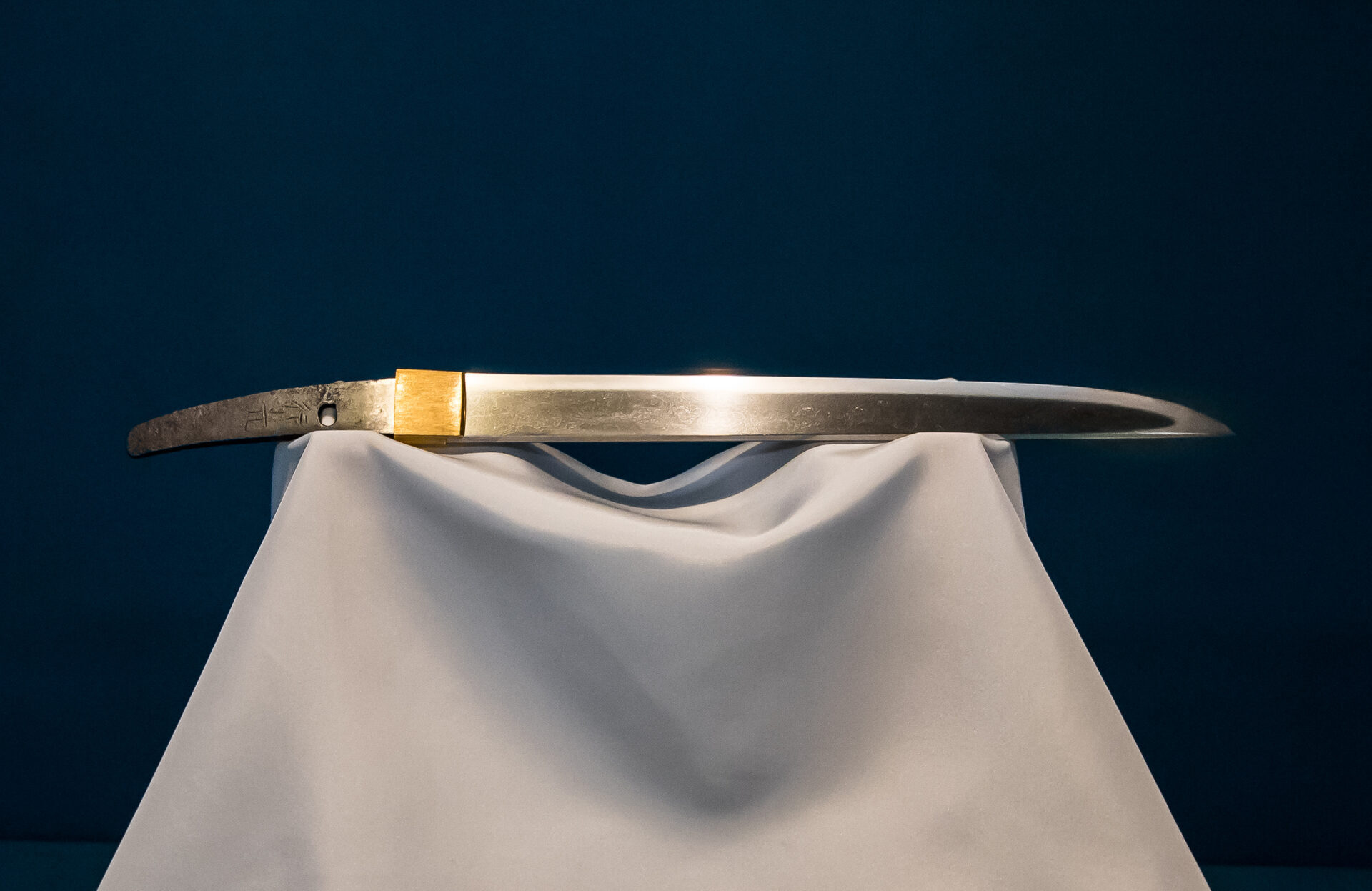
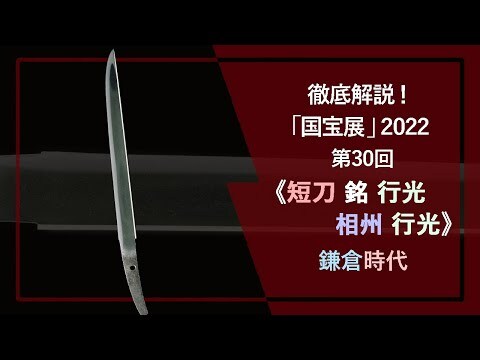 The Maeda tantō
Videos
Two videos: an explanation of the Maeda tantō and a display case filmed by an enthusiast.
- Bibliography and credits Sources The sources consulted on 4 October 2026, with their links, and the credit for each image.