On this page
In short
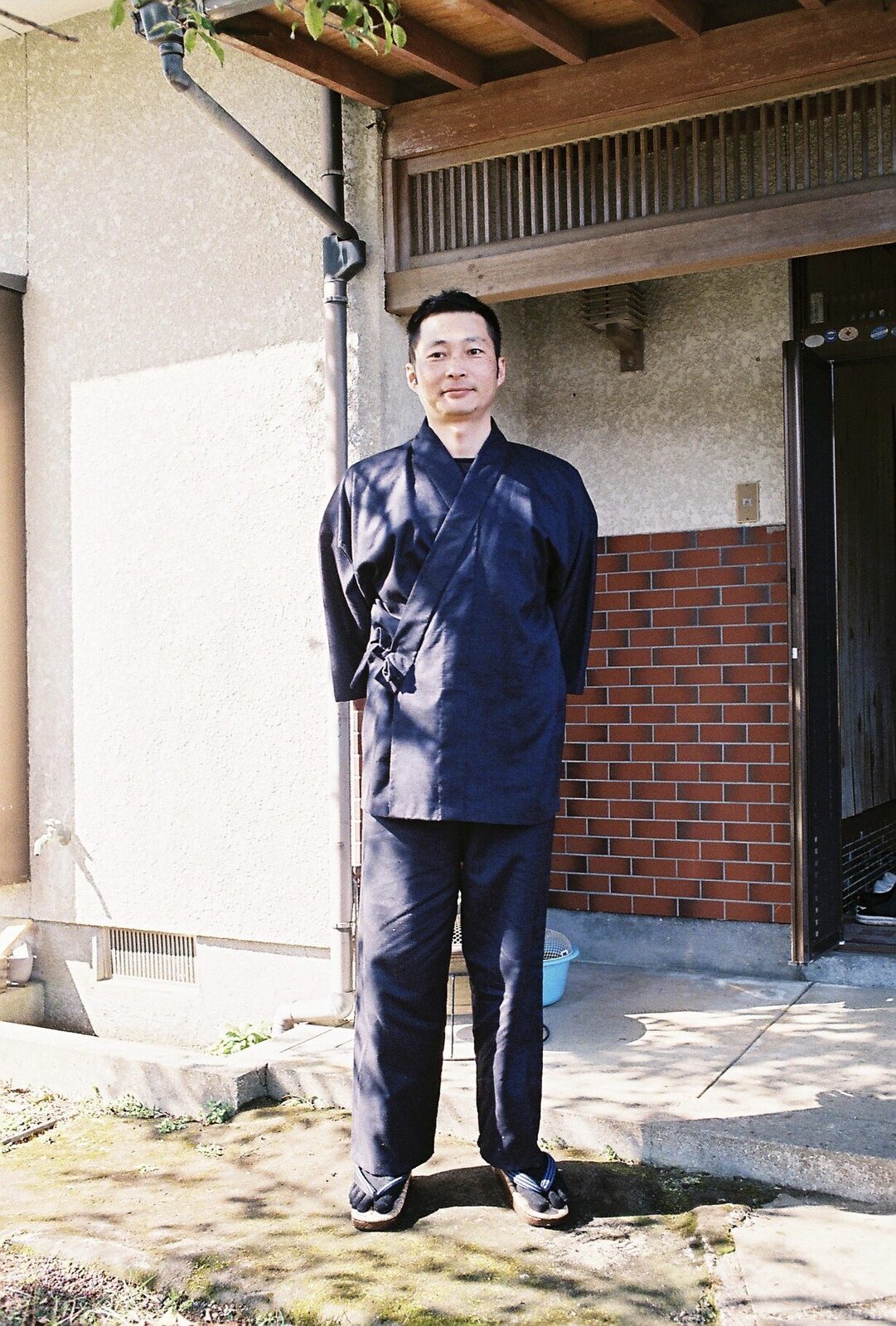
What we know. Kanemitsu is a member of the Zen Nihon Tōshōkai (全日本刀匠会), the smiths’ association, with his family’s forge in Yatsushiro. His work in the NBTHK competition is documented in the official source since 2017, and since 2022 he has won a prize every year with a tachi or a katana and another with a tantō: in 2025, the Takamatsu-no-miya Kinenshō (高松宮記念賞), with a katana in the manner of the 水神切兼光 (Suijingiri Kanemitsu), and the Kunzanshō (薫山賞) for tantō. In 2020 and 2021 he exhibited interpretations of the Sanchōmō in Tokyo, and in a 2024 talk he presents his own.
How we know it. From the Zen Nihon Tōshōkai lists and the NBTHK catalogues, from the official cards of his works that can be read in the exhibition videos, from the Kumamoto prefecture feature, from his 2024 talk and from what he himself publishes. Almost everything before 2017 (the apprenticeship, the licence, the first prizes, the family history) is told by him, his family or the shops that sell his work.
What we do not know. How the family smelts its steel, whether his competition works are made of that steel, his NBTHK results from 2004 to 2016 and from which old smiths the family descends.
Why this monograph II
The Akamatsu Tarō family is known for its swords for martial arts practitioners, and Kanemitsu for his long Bizen-den tachi and his interpretations of the Sanchōmō. This monograph brings together what is known about him with a practical interest: what someone looking for a katana for iaidō, kata and some tameshigiri can expect from his work.
It is a sister to the one on Kawashima Kazuki (Kawashima), another smith of the general section with the Sanchōmō as a model, one in Osafune and the other in Yatsushiro. The route: the smith, the family, their own steel, his style and his works, his Sanchōmō, his prizes, the videos, the glossary and the sources.
How to read the levels II
Each fact carries one of these four levels, the same as in the dossier on which the monograph is based:
- HD, documented fact: given by an official or primary source (the NBTHK, the Zen Nihon Tōshōkai, Kumamoto prefecture, Yatsushiro city hall), seen on the official card of a work or heard in a dated video or publication.
- AT, attribution: said by Kanemitsu himself or his family, or by a secondary source without documentary backing, such as a shop’s listing.
- II, our interpretation: calculations, comparisons and reasoned readings.
- PC, yet to be checked: the source is missing or there is an unresolved contradiction.
When the source of a fact is a shop, it is said just like that, “a shop”, without naming it; its photos carry the credit “Photo: dealer in Japan”, and those from the smith’s own social media, “Photo: the smith himself”.
Sections
-
 Profile and biography
The swordsmith
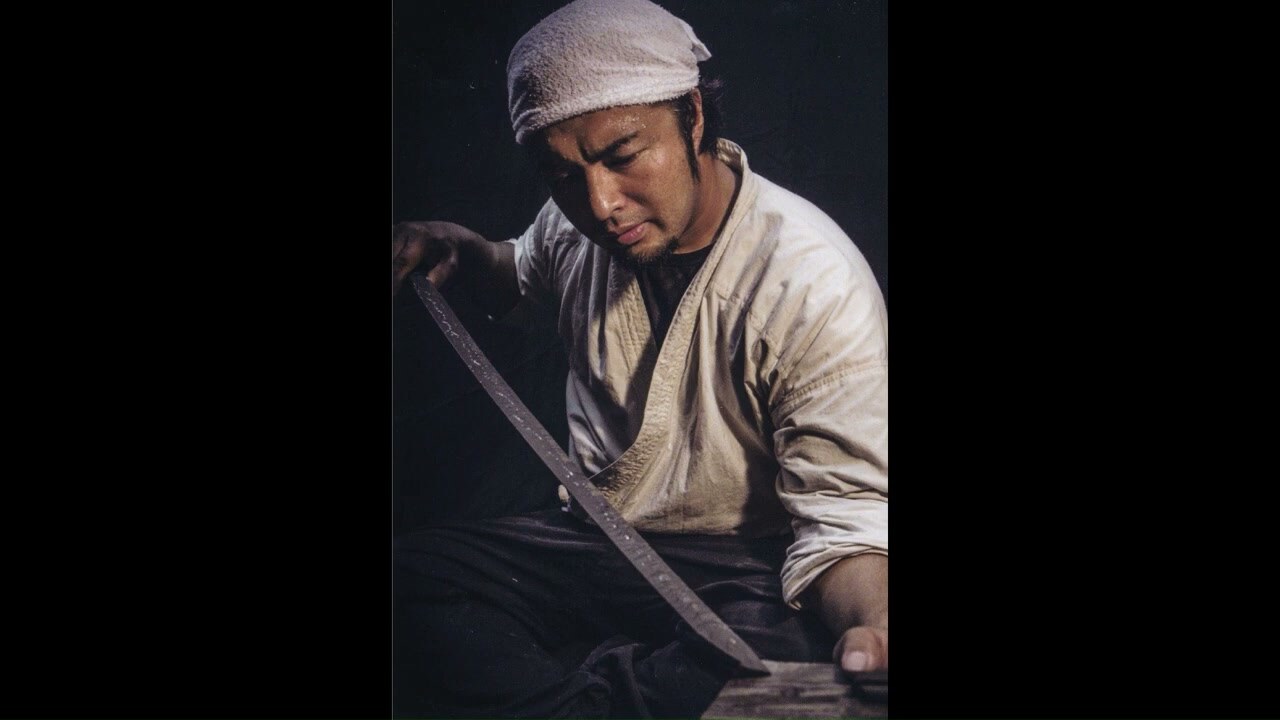
Quick facts, a year-by-year biography, his signatures and what could not be verified.
-
 Grandfather, father, uncles and brother
The Akamatsu Tarō family
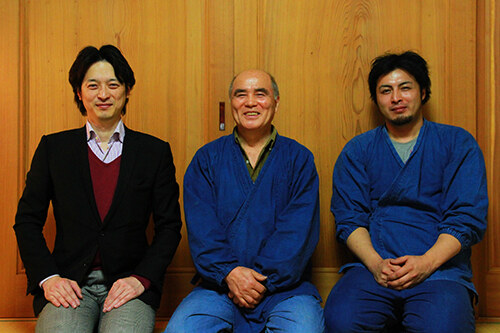
The lineage of the Kimura of Yatsushiro, who is who, their joint works and where the name of the workshop comes from.
-
 Jika seitetsu · the Kuma river
Their own steel
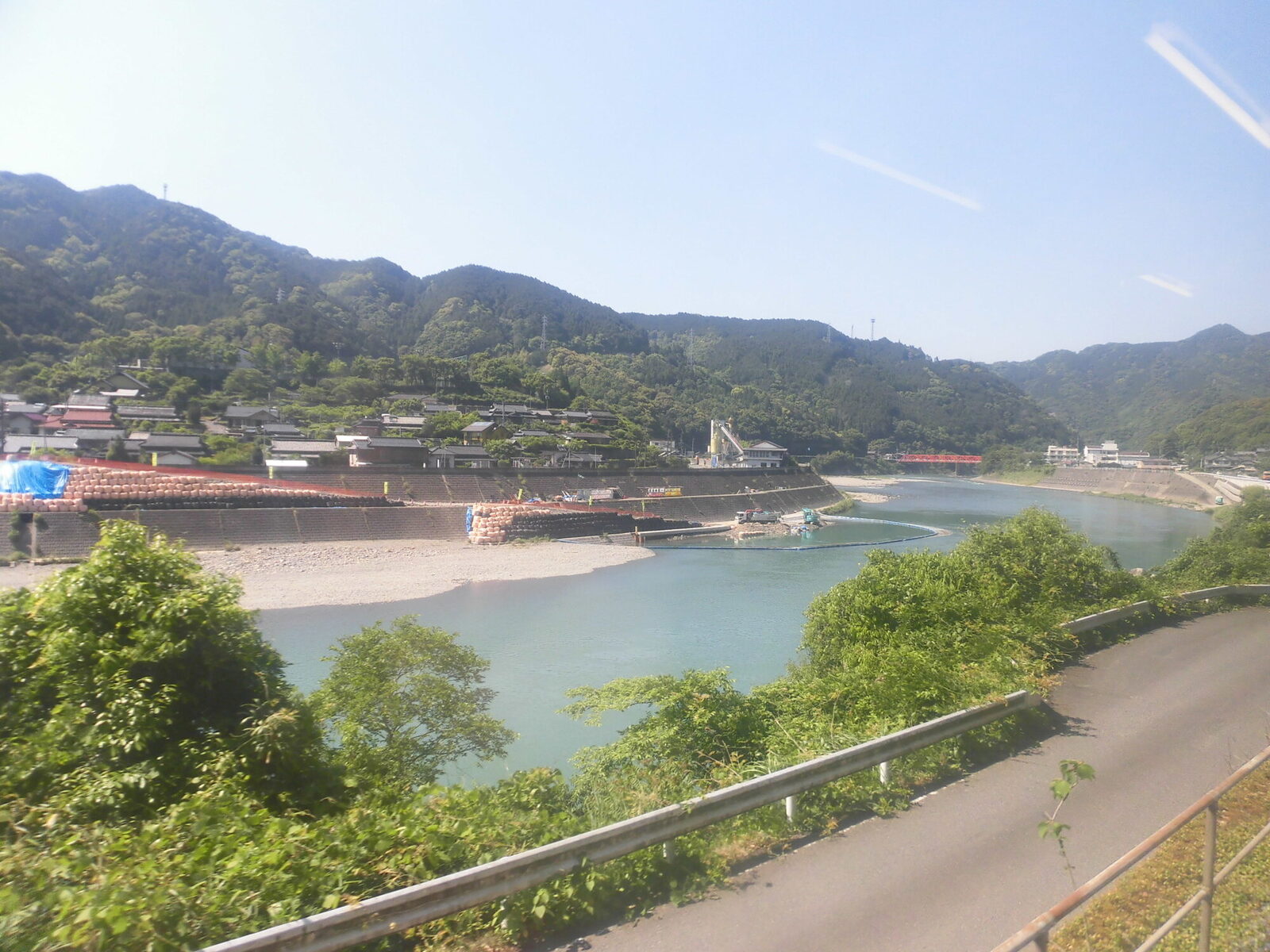
The family’s own-steel inscription, what the shops say about it and what nobody has published.
-
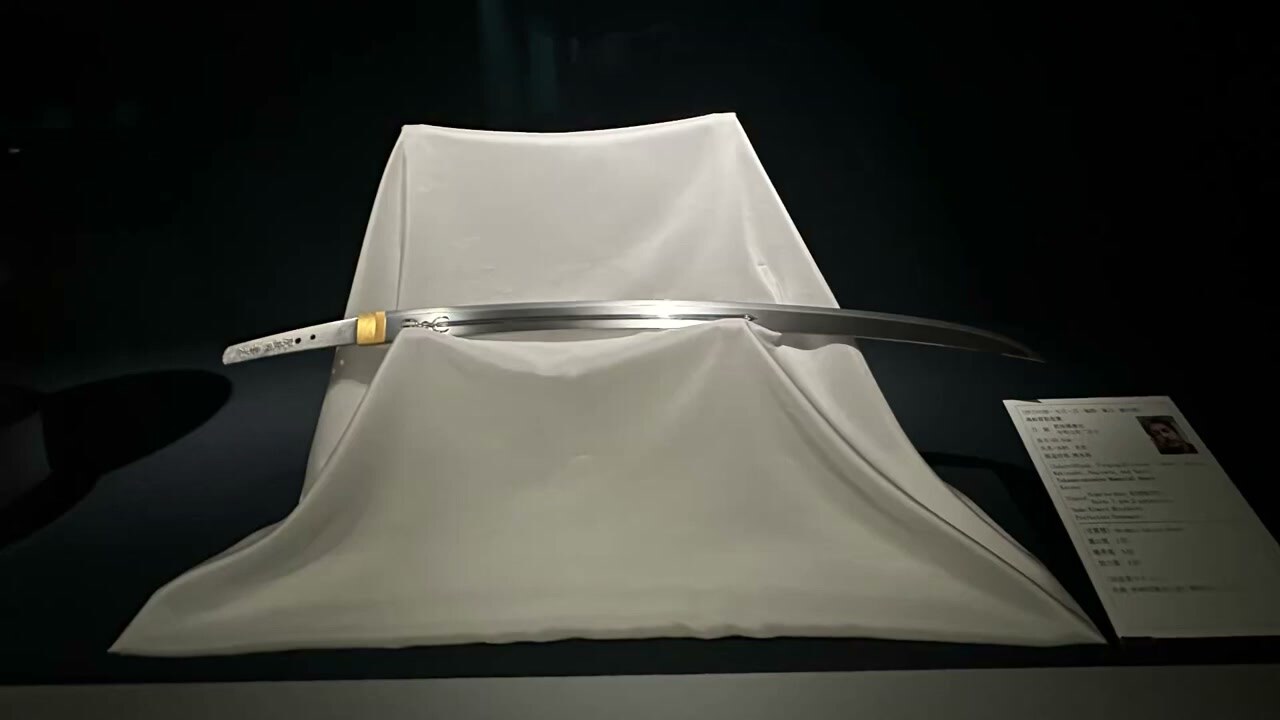 Bizen-den · chōji and jūka-chōji
Style and works
What he is after, in his own words, and his documented works: measurements, signatures and models, from the competition to the shop.
-
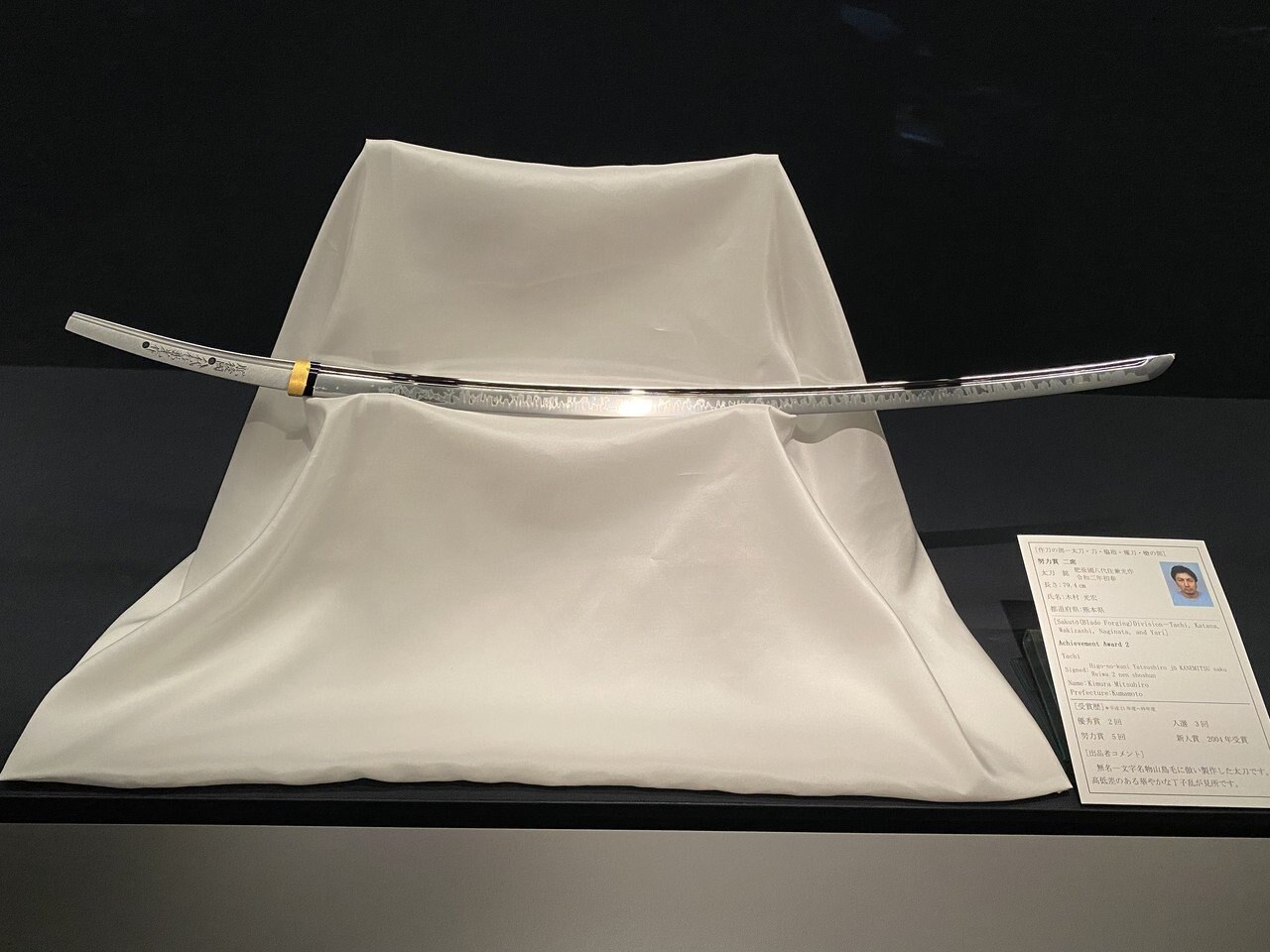 Interpretations, not copies
His Sanchōmō
The interpretations of the Sanchōmō he exhibited in 2020 and 2021 and talks about in 2024, the two made for a shop and what they are not.
-
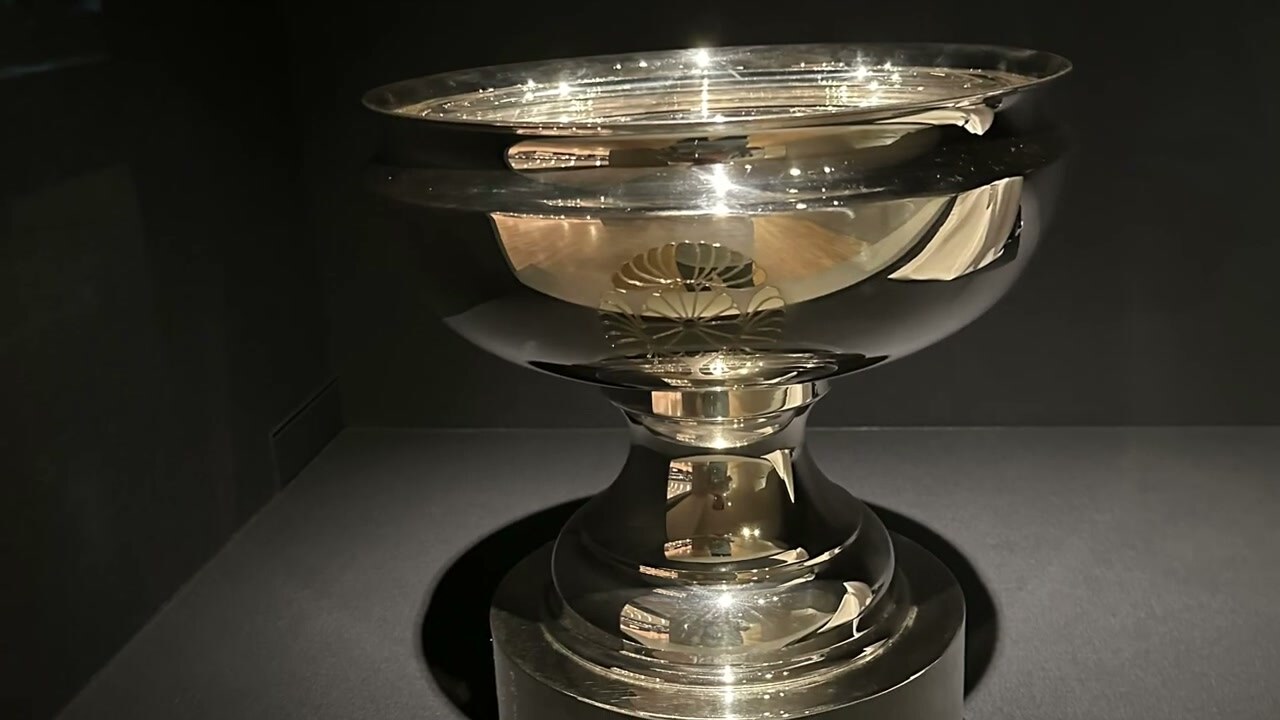 What has been verified
Prizes and recognition
His NBTHK and Zen Nihon Tōshōkai prizes that can be checked in the official source, and what is missing.
-
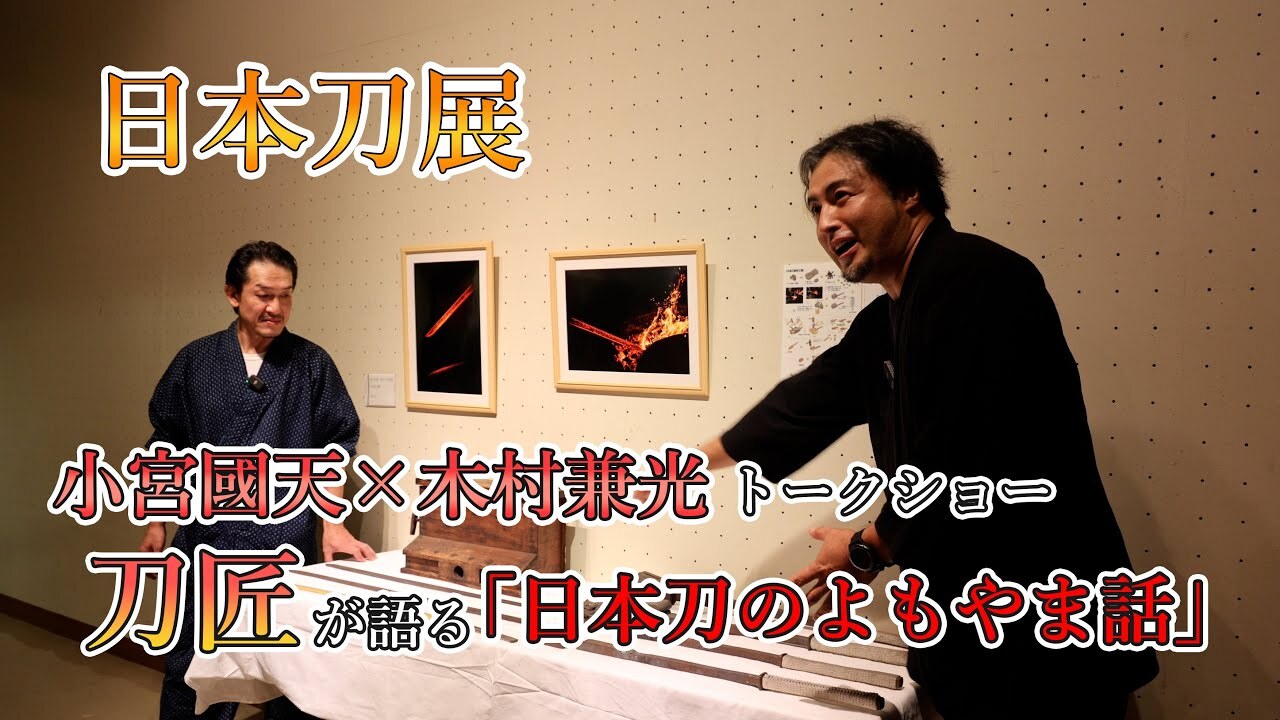 Talks, competitions and cutting
Videos
The videos in which he or his work appears, with their channel, their length and what each one tells.
-
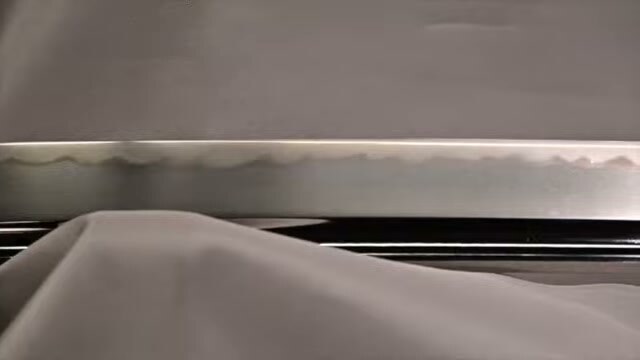 Japanese terms
Glossary
The Japanese terms of the monograph, with their original script.
-
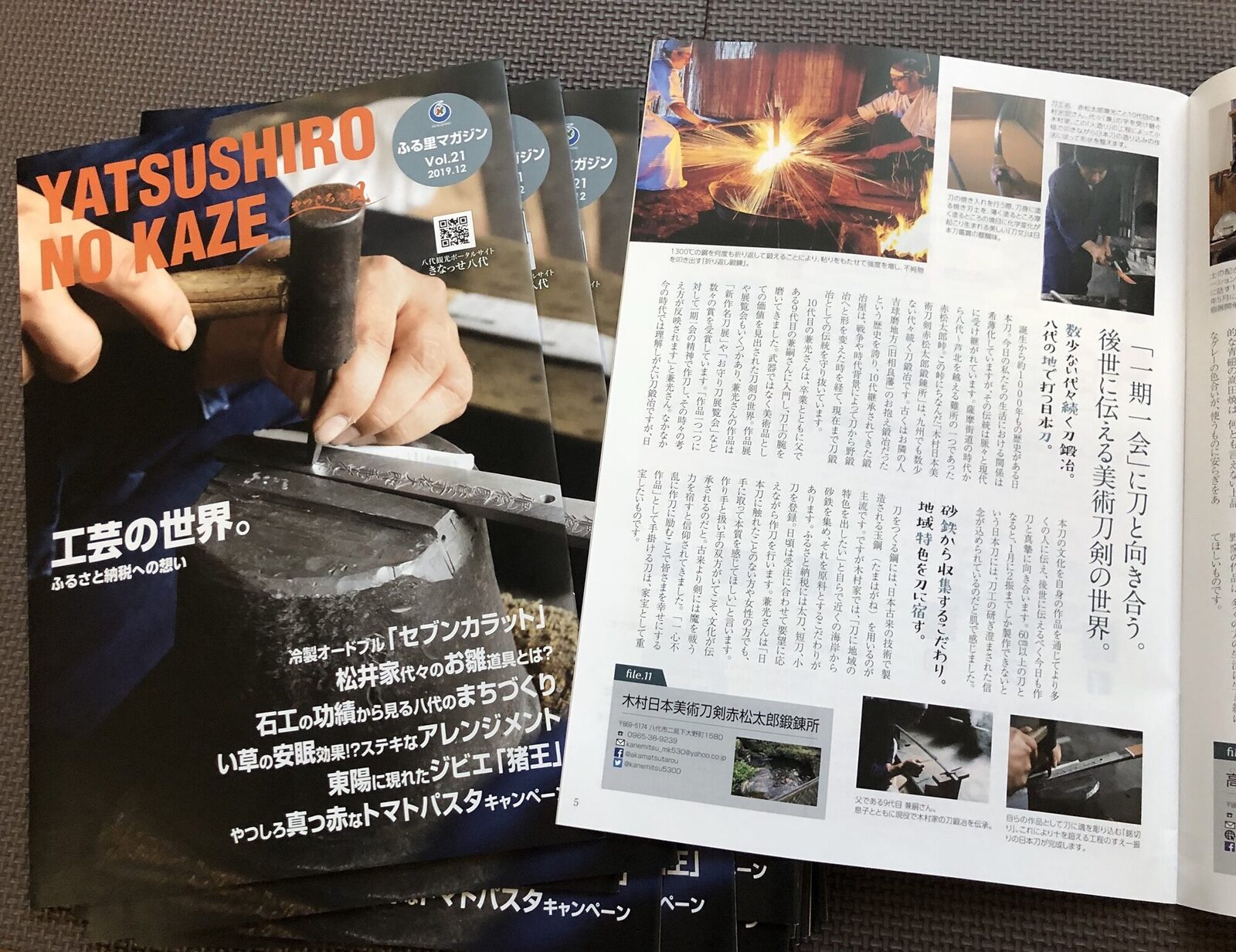 Bibliography and credits
Sources
The sources consulted and the credits for every image.