On this page
Quick profile
- Name
- Amata Akitsugu HD
- Kanji and reading
- 天田昭次 (Amata Akitsugu) HD
- Birth and death
- 4 August 1927, in Honda, now Shibata (Niigata) · 26 June 2013; the English Wikipedia gives 5 July AT
- Where he forged
- From 1968, in Tsukioka (月岡, Tsukioka), in Shibata, with his own forge and smelting furnace AT
- Master
- 栗原昭秀 (Kurihara Akihide), at his forging school in Tokyo, from 1940 AT
- School or tradition
- The Kurihara school; he forged in the Yamashiro, Sōshū and Bizen traditions, with iron he made himself AT
- Licence
- 1954, from the Committee for the Protection of Cultural Properties (文化財保護委員会, Bunkazai Hogo Iinkai) AT
- Rank
- NBTHK mukansa in 1972 according to the Nihon Bijutsu Nenkan, in 1973 according to Markus Sesko; Living National Treasure (重要無形文化財「日本刀」保持者, jūyō mukei bunkazai Nihontō hojisha) since 23 May 1997 AT
In short
What we know. The 2019 NBTHK catalogue exhibits, among the holders of the intangible cultural property “Japanese sword”, a katana of his from 1996 and a wakizashi from 2011, both owned by the Agency for Cultural Affairs.
How we know it. His life and his prizes are told above all by his obituary in the yearbook 日本美術年鑑 (Nihon Bijutsu Nenkan), of the Tokyo National Research Institute for Cultural Properties; Wikipedia, Kotobank and Shibata city hall complete them.
What we do not know. His prizes from 1959 to 1967, his pupils apart from his brother, and the year of the tachi for the yokozuna Kitanoumi.
Sections
-
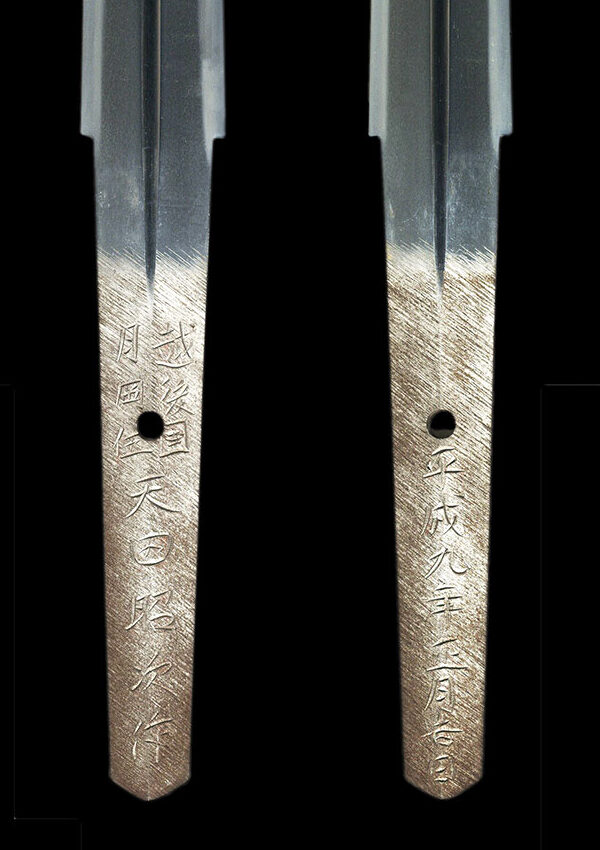 Kurihara · Tsukioka · his own iron
Life and forging
His apprenticeship in Tokyo, the decision to make his own iron, his illness and the forge at Tsukioka.
-
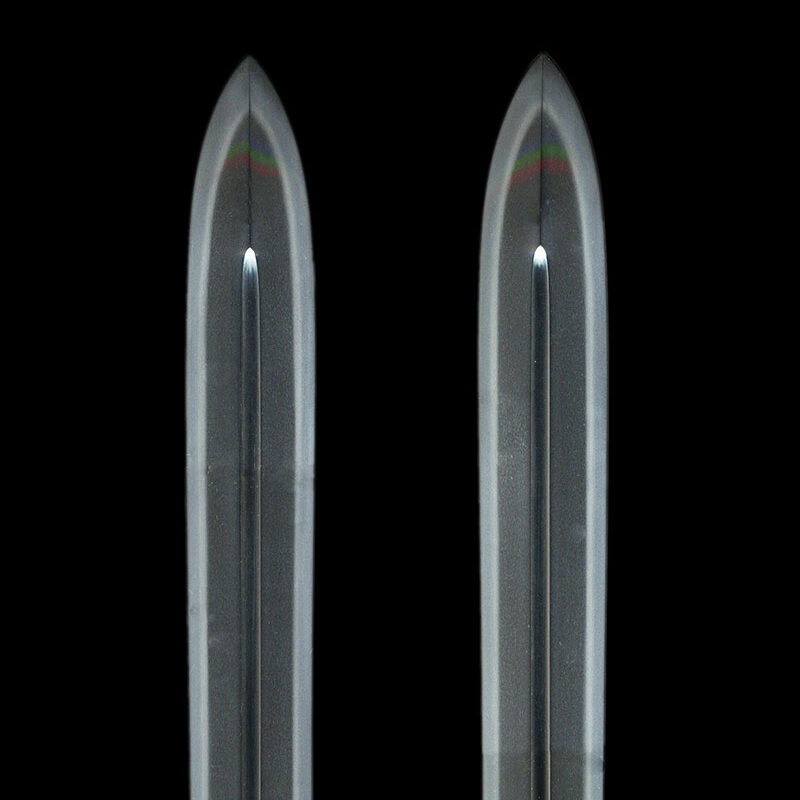 Yamashiro · Sōshū · Bizen
Work and style
Steel as the centre of his work, his three traditions and his blades in the NBTHK catalogues.
-
Masamune · mukansa · Living National Treasure
Prizes
His prizes year by year, from the first exhibition of forging technique in 1955 to the designation of 1997.
-
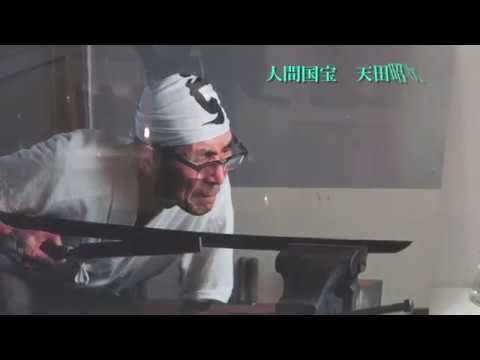 The Tsukioka museum
Videos
Four videos by visitors to the museum that bears his name, in Shibata.
-
Bibliography and credits
Sources
The sources consulted on 4 October 2026, with their link where possible, and the credit for each image.