On this page
Quick profile
- Name
- Hasebe Kunishige AT
- Kanji and reading
- 長谷部国重 (Hasebe Kunishige); five-character signature, 長谷部国重 (Hasebe Kunishige) HD
- Period
- Nanbokuchō: dated blades from 1355 to 1368. The meikan place the first one around the Kenmu era (1334–1338). AT
- Province
- Yamashiro: the Gojō Bōmon Inokuma quarter, in Kyoto HD
- School
- Hasebe, of which he is the founder; Sōshū work with Yamato traits HD
- Master
- According to tradition, Masamune, in Kamakura AT
- Generations
- Three according to the meikan (around Kenmu, around Enbun, and Rokurōzaemon, around Ōei); Tanobe and Fujishiro count two AT
- Documented fact and tradition
- Documented: his dated blades and the Heshikiri. Tradition: that he was a pupil of Masamune, and his dates of birth and death. AT
In short
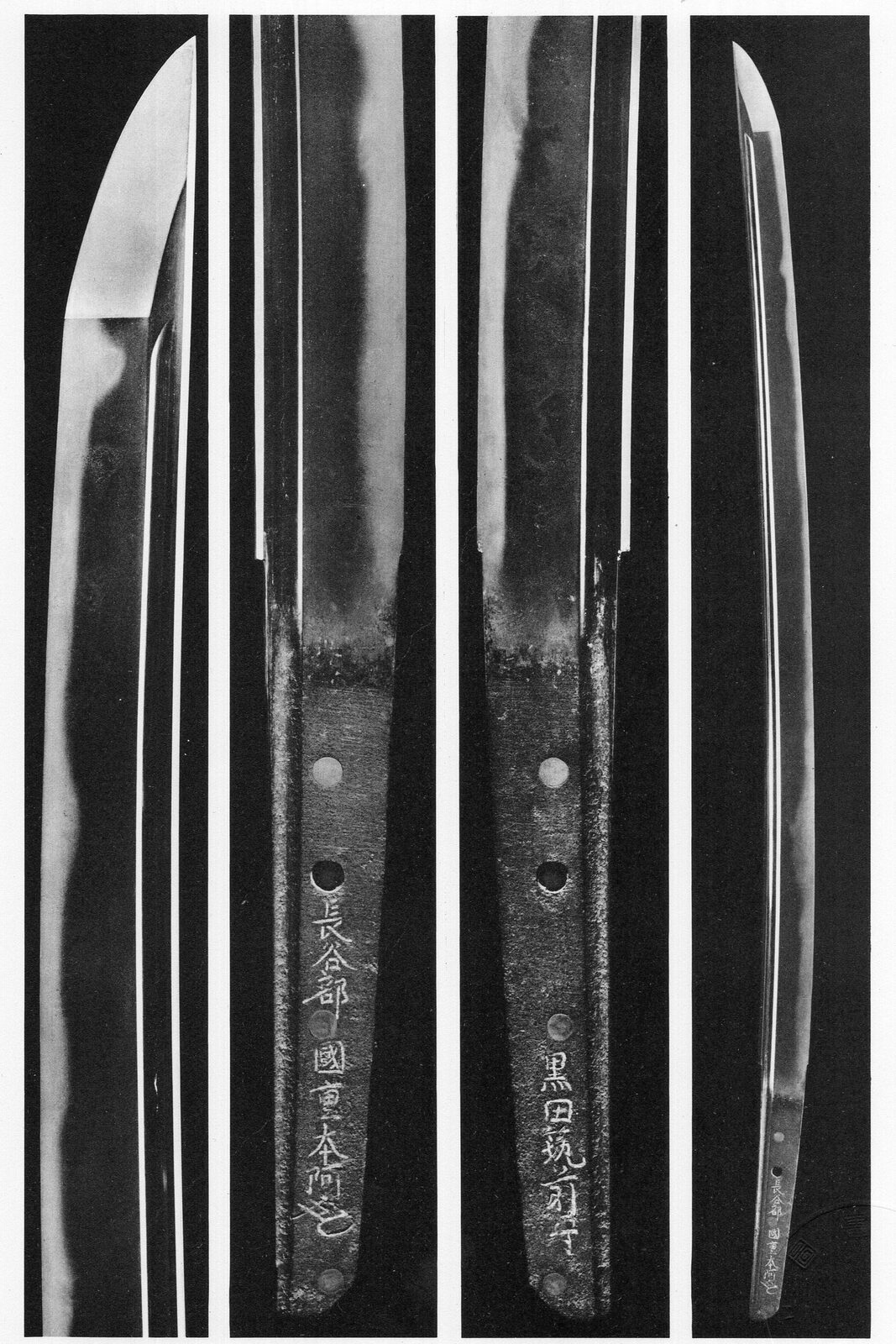
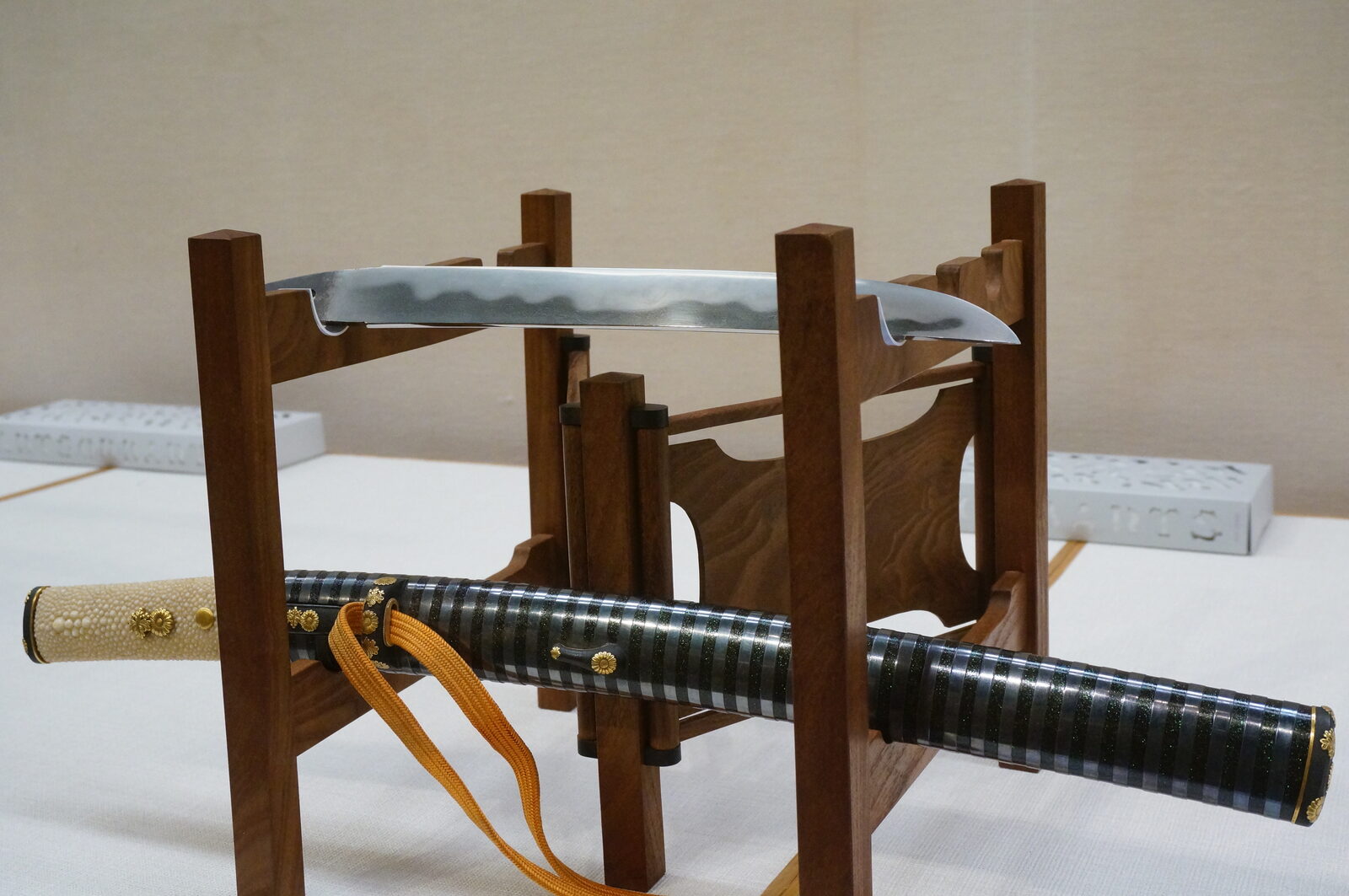
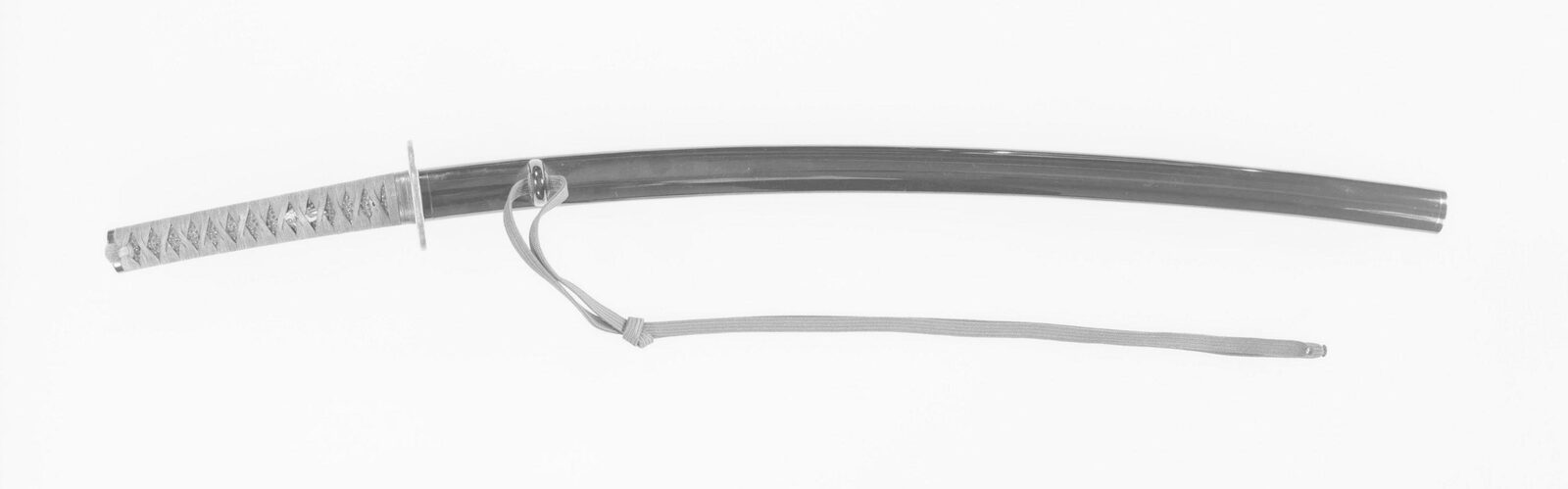
What we know. There are blades signed 長谷部国重 (Hasebe Kunishige) with dates from 1355 to 1368, above all tantō and ko-wakizashi in hira-zukuri. The Heshikiri Hasebe, unsigned and attributed to him in gold letters, has been a National Treasure since 1953.
How we know it. From the records of the Agency for Cultural Affairs and of the National Museums, the NBTHK journal and the studies of Markus Sesko. His dates of life and his master come from later meikan and treatises.
What we do not know. Whether he came from Yamato or from the family of Shintōgo Kunimitsu, how many smiths signed Kunishige and whether he really learned under Masamune.
Sections
-
 Yamato · Sōshū · Kyoto
Life and times
Where he came from, when he worked, how many generations there were and what dates his blades bear.
-
 Masame · hitatsura · thin blades
Work and style
The kantei keys of the school, key by key, and how not to confuse it with Hiromitsu.
-
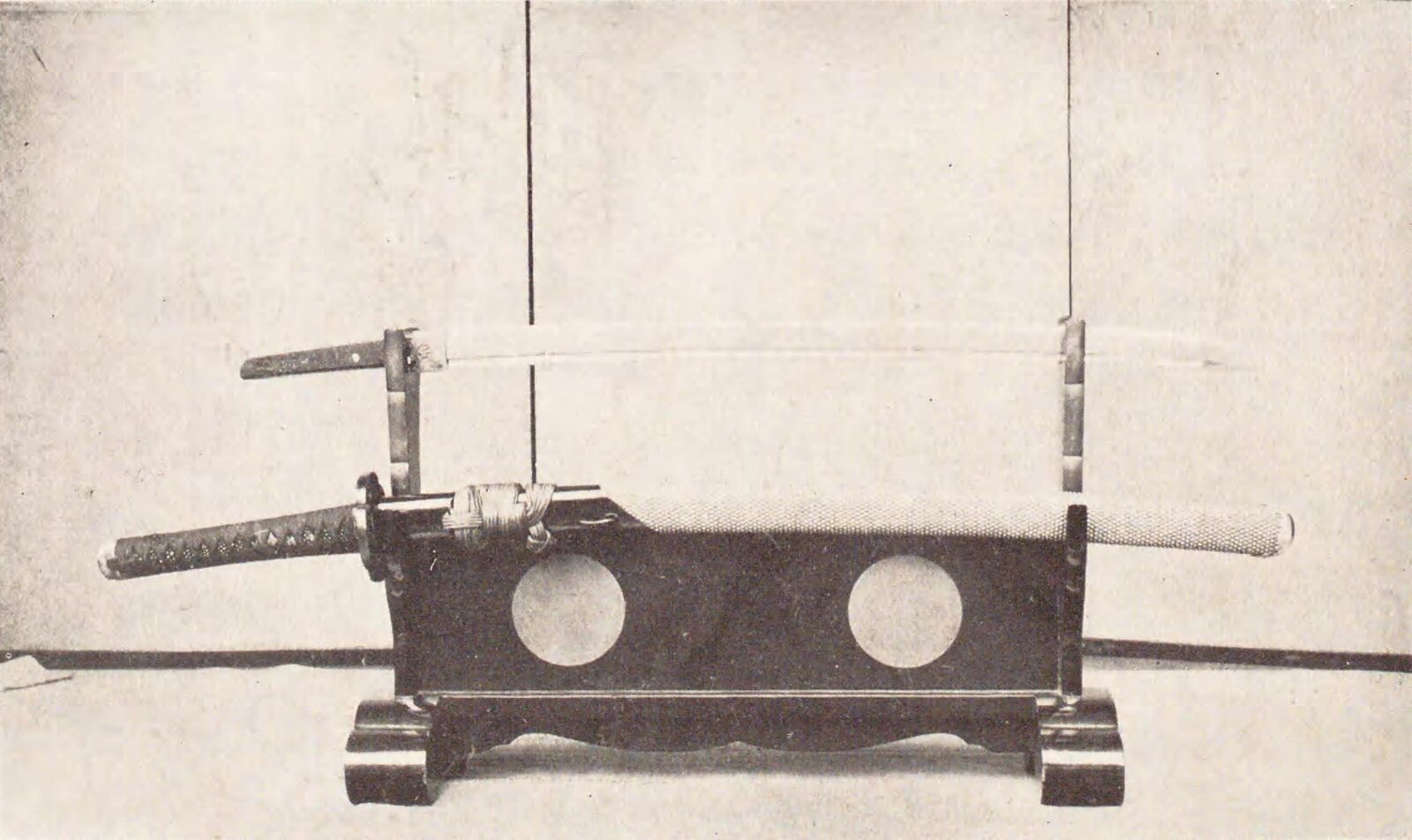 National Treasure · Kyōhō meibutsuchō
Famous works
The Heshikiri Hasebe and the other blades with an official record or with NBTHK papers.
-
 Outreach and press
Videos
A news report on the exhibition of the Heshikiri in Fukuoka.
-
 Bibliography and credits
Sources
The sources consulted on 4 October 2026, with their link, and the credit for each image.