On this page
Quick profile
- Name
- Hōki no Kami Nobutaka; they signed 伯耆守藤原信高 (Hōki no Kami Fujiwara Nobutaka) or 伯耆守藤原朝臣信高 (Hōki no Kami Fujiwara no Ason Nobutaka). The second, once retired, 前伯州信高入道 (saki no Hakushū Nobutaka nyūdō), with the name 閑遊 (Kan'yū). HD
- Kanji and reading
- 伯耆守信高 (Hōki no Kami Nobutaka) AT
- Period
- From the end of the Momoyama period to the mid-Edo period: chosen in 1591, with blades dated from 1621 to 1681 AT
- Province
- Owari (尾張, Owari): Nagoya (名古屋, Nagoya), which the signature of 1621 writes 名護屋 (Nagoya) AT
- School
- Of the Seki swordsmiths, in Mino, settled in Owari; with Masatsune and Ujifusa, one of the “three of Owari” according to the NBTHK AT
- Master and lineage
- The signature of 1621 declares him a 末葉 (matsuyō), “descendant”, of 三阿弥兼国 (Sanami Kanekuni), of Seki. His master is not recorded in the sources consulted. AT
- Title
- Hōki no Kami (伯耆守, Hōki no Kami): the blade of 1621 already signs it. When each generation received it is not recorded in the sources consulted. AT
- Generations
- At least three: the Nagoya City Museum attributes its signatures to three, and the Japanese Wikipedia names the third; how many there were in total is not recorded in the sources consulted AT
- Cutting rank
- Wazamono (業物, wazamono), the fourth grade of the 『懐宝剣尺』 (Kaihō Kenjaku), for the first and the second, according to the English Wikipedia; maegashira of the western side in Tomita Kiyama’s ranking, of 1933 and published in 1935 AT
- Documented fact and tradition
- Documented: the signatures with date and age in the Nagoya City Museum, from 1621 to 1681, and two blades in the Tokyo and Kyūshū National Museums. Undocumented in the sources consulted: his master, the dates of his titles and the number of generations. AT
In short
The NBTHK relates that in 1591 Toyotomi Hidetsugu, lord of Kiyosu, chose three swordsmiths from his lands: Masatsune, Ujifusa and Nobutaka. In the Keichō era they were the representative swordsmiths of Owari, on a Seki school base.
The records of the Nagoya City Museum give signatures with the swordsmith’s age: a Nobutaka aged 60 in 1621, who declares himself of the family of Sanami Kanekuni, of Seki, and works in Nagoya, and a retired Nobutaka aged 72 in 1674 and 79 in 1681. They are at least two men: the first was born around 1562 and the second around 1603.
The Yamada cutting list places the first and the second among the wazamono, the fourth of its grades.
Sections
-
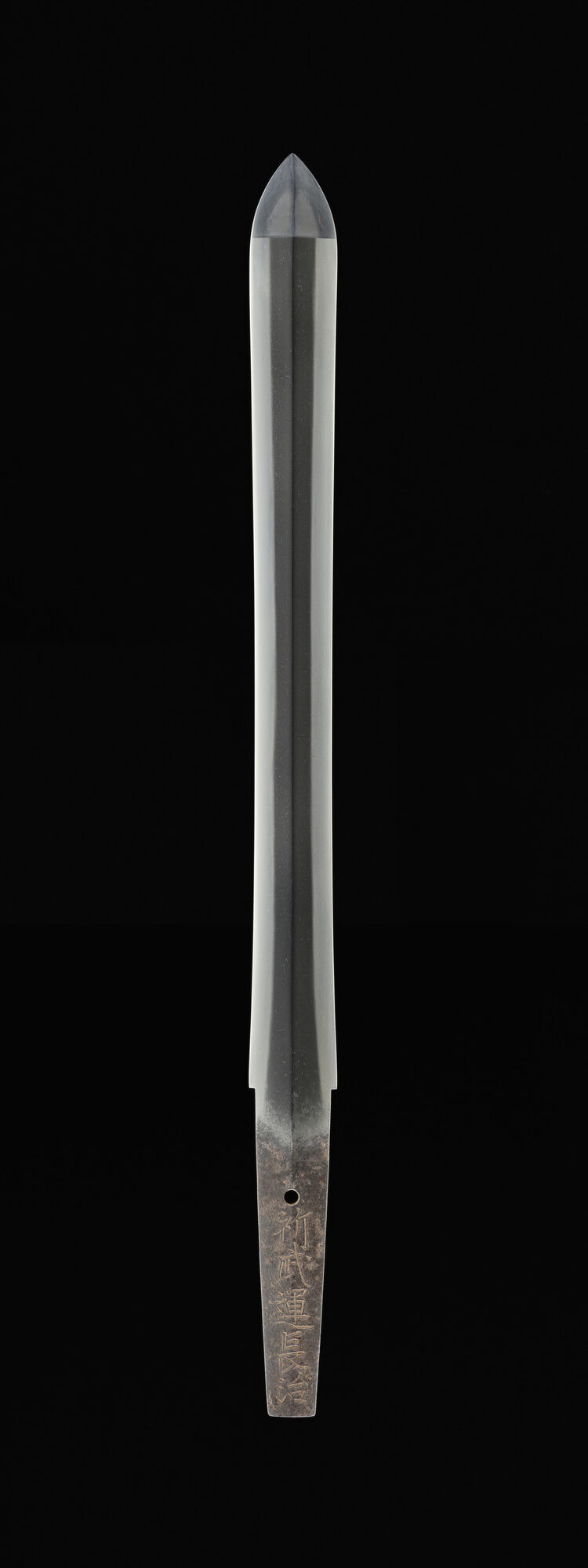 One name, several generations
Life and times
The three of Owari, the signatures with the age and the generations.
-
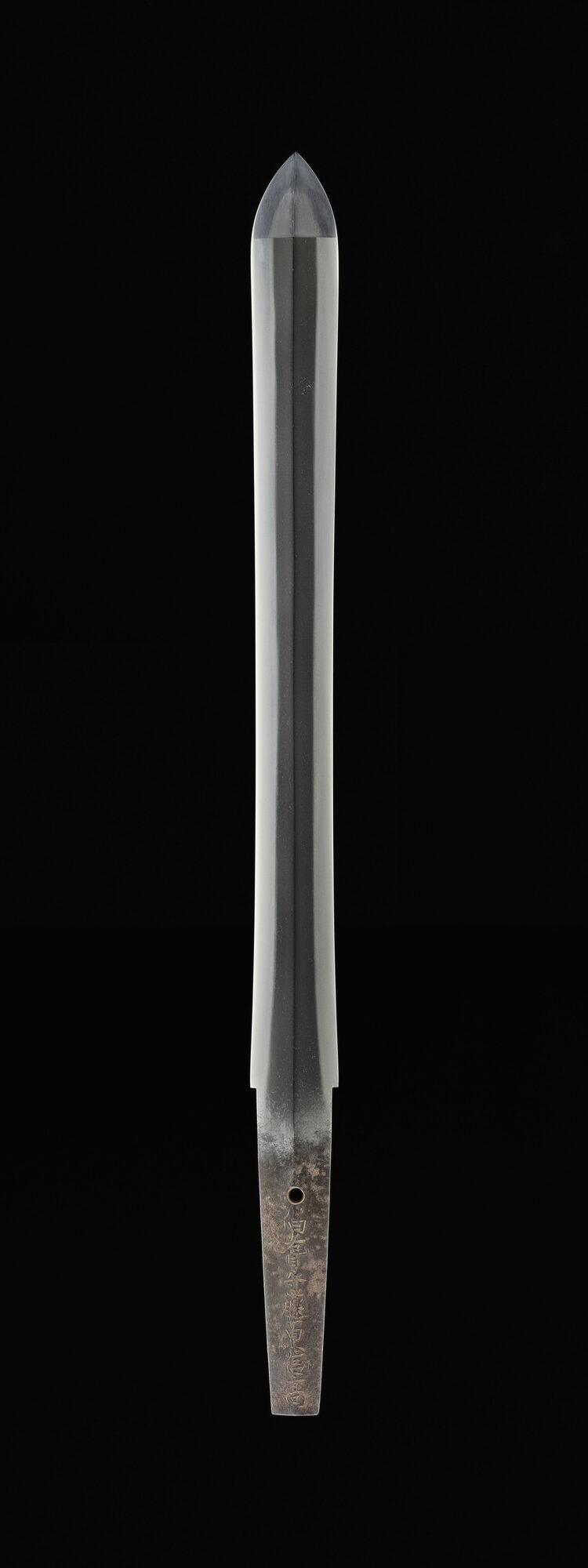 Kantei keys
Work and style
Jigane, hamon, signatures and what is not on record.
-
In museums and lists
Famous works
The dated blades in the museums and his place in the cutting list.
-
Bibliography and credits
Sources
The sources consulted and the image credits.