On this page
Quick profile
- Name
- Hōshō Sadamune; also Hōshō Gorō Sadamune, 保昌五郎貞宗 (Hōshō Gorō Sadamune) AT
- Kanji and reading
- 保昌貞宗 (Hōshō Sadamune) AT
- Period
- Late Kamakura period; tradition places him around the Bunpō era (1317). Dates of birth and death unknown AT
- Province
- Yamato: Takaichi district, south of the Nara basin (today Kashihara) HD
- School
- Hōshō, one of the five of the Yamato tradition HD
- Master
- According to tradition, his father, Kunimitsu (国光, Kunimitsu), of whom no work survives AT
- Generations
- The school continues with Sadayoshi, Sadakiyo, Sadaoki and Sadamitsu, among others; Sadaoki was his son according to the Meikan AT
- Documented fact and tradition
- Documented: the school, its dates and its style. Tradition: that Sadamune was its actual founder and that he was the son of Kunimitsu. AT
In short
What we know. The Hōshō school worked in Takaichi, in Yamato, in the late Kamakura period: its blades bear dates from 1317 to 1328. Its hallmark is a regular masame, straight like the grain of wood.
How we know it. From the NBTHK journal and from the official records of works by other smiths of the school. What concerns Sadamune comes from tradition: that he was the actual founder of the school, his full name and his period.
What we do not know. His dates of life and which surviving blades are his: no work by Sadamune with an official designation is recorded.
Sections
-
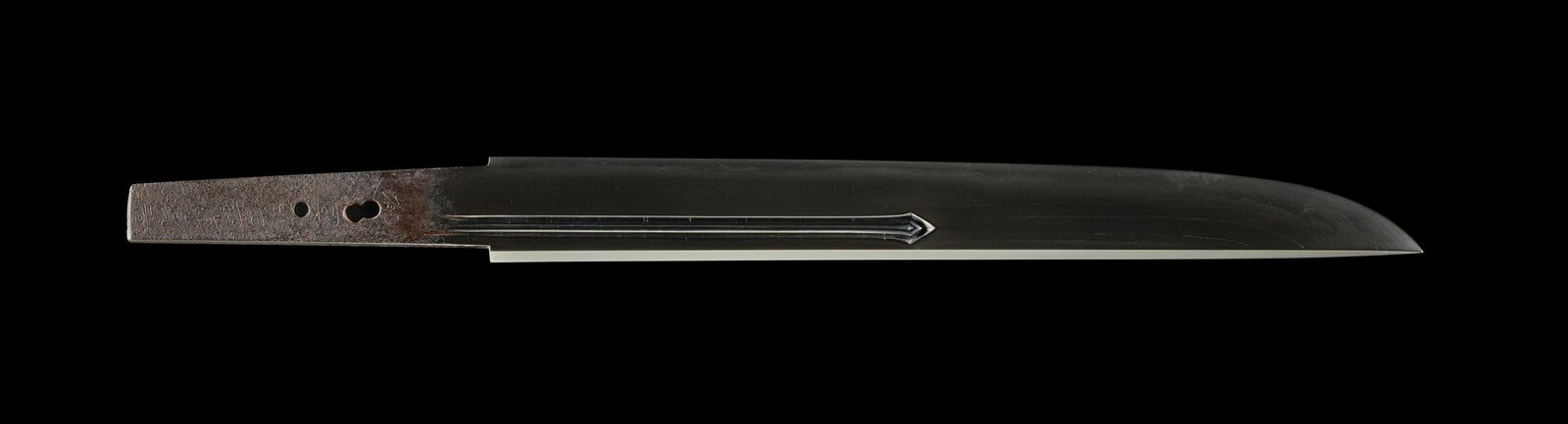
 Takaichi · Bunpō · Sadaoki
Life and times
The Hōshō school, its dates, its lineage and the little that is known about Sadamune.
-
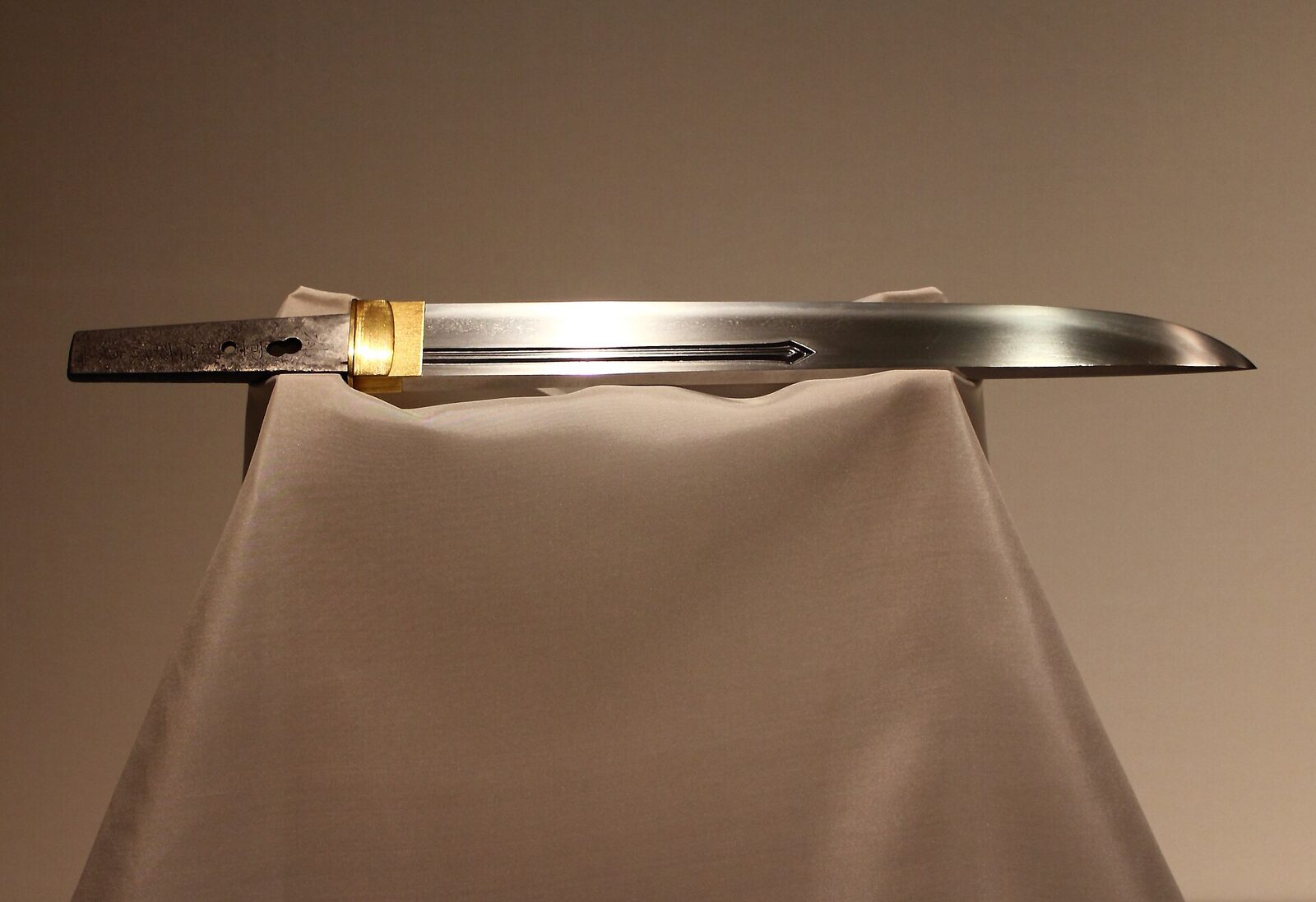
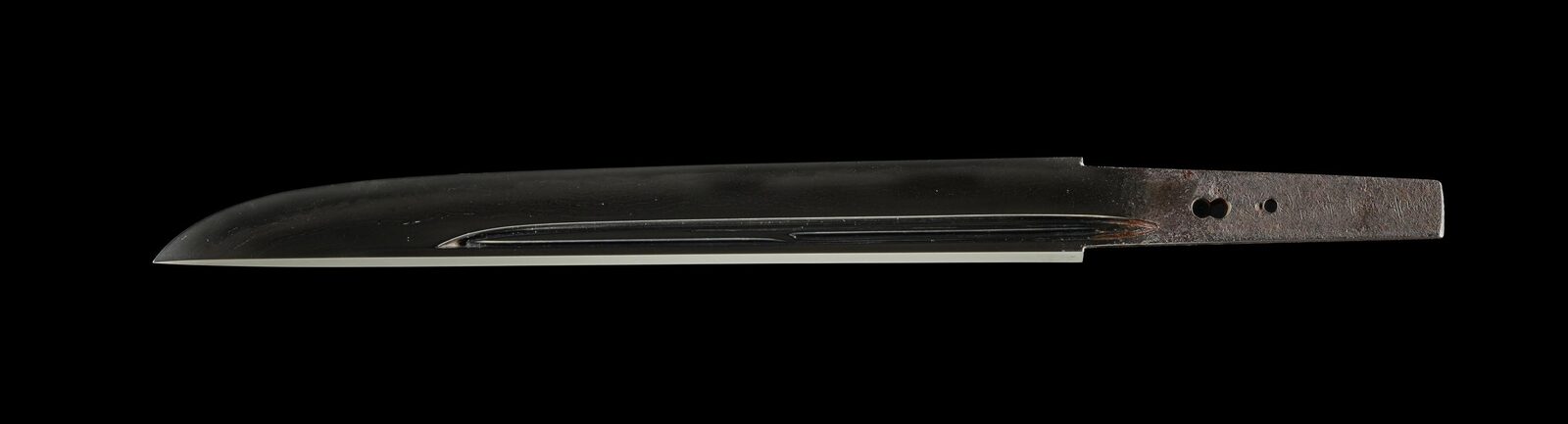 Masame · suguha · yakizume
Work and style
The kantei keys of the school, key by key, and how not to confuse it with its imitators.
-
 National Treasure · Important Cultural Property
Famous works
The named works of the school, all by other Hōshō smiths: none by Sadamune has been located.
-
 Bibliography and credits
Sources
The sources consulted on 4 October 2026, with their link, and the credit for each image.