On this page
Documented works
| Work | Designation | Where it is |
|---|---|---|
| Katana signed 兼若 (Kanewaka), of 1604 (Keichō 9), of 65 cm and 0.4 cm of curvature | Important Art Object, according to Markus Sesko | Owner not stated |
| Katana signed 越中守藤原高平 (Etchū no Kami Fujiwara Takahira), of the sixth month of 1622 (Genna 8), of 71.5 cm and 1.5 cm of curvature | No designation | Metropolitan Museum, New York (2007.478.2a, b) |
| Katana signed 越中守藤原高平 (Etchū no Kami Fujiwara Takahira), of the fifth month of 1622 (Genna 8), with a black lacquer mounting with waves in makie | No designation | Tokyo Fuji Art Museum (00732) |
| Katana with the same signature and the same date, of 74.5 cm and 1.6 cm of curvature | No designation | Tokyo National Museum (F-20190) |
| Katana signed 賀州住兼若 (Kashū jū Kanewaka), which the museum gives to the third generation | No designation | Tokyo National Museum (F-17310) |
| Wakizashi signed 賀州住兼若 (Kashū jū Kanewaka), of undetermined generation, of 48.8 cm and 1.7 cm of curvature | No designation | Takaoka City Museum, Toyama |
| Katana by the first Tsujimura Kanewaka and katana by the third | Cultural properties of Ishikawa prefecture | Shown in 2006 at the Ishikawa Prefectural Museum of Art |
| Katana signed 加州住兼若 辻村又助 五十三歳作之 (Kashū jū Kanewaka Tsujimura Matasuke gojūsan-sai kore wo saku), of 1664 (Kanbun 4) | No designation stated | Owner not stated |
| Spear signed 兼若 (Kanewaka) | No designation stated | Maeda Tosa-no-kami Family Museum, Kanazawa |
Three pieces
The katana in the Metropolitan Museum, which entered its collection as a gift in 2007, is a Takahira dated to the sixth month of 1622, with the school’s hamon of gunome tending to square.
The Tokyo Fuji Art Museum and the Tokyo National Museum each hold a katana signed Takahira and dated to the fifth month of 1622. Being in two institutions, they would be two different blades made in the same month.
The exhibition 「名刀と槍」 (Meitō to yari) at the Ishikawa Prefectural Museum of Art, in 2006, showed a katana by the first Tsujimura Kanewaka, who shaped the shintō of Kaga, and one by the third, both cultural properties of the prefecture, together with work by Kiyohira, the fourth of the first’s sons, who forged in Edo and in Odawara.
In the lists
In the 『懐宝剣尺』 (Kaihō Kenjaku), the Yamada cutting list of 1797, the Japanese and the English Wikipedia place Kashū Kanewaka, the first, among the 大業物 (ō-wazamono), the second of its four grades, and Etchū no Kami Takahira, who is the same swordsmith, in the mixed category. The Japanese Sword Index gives the first the grade of 良業物 (yoki-wazamono), and Kagehira as well; Matasuke and Kiyohira, that of 業物 (wazamono).
Markus Sesko cites a katana signed Kanewaka and dated 1604 as a 重要美術品 (jūyō bijutsuhin), Important Art Object, without saying who holds it.
Gallery
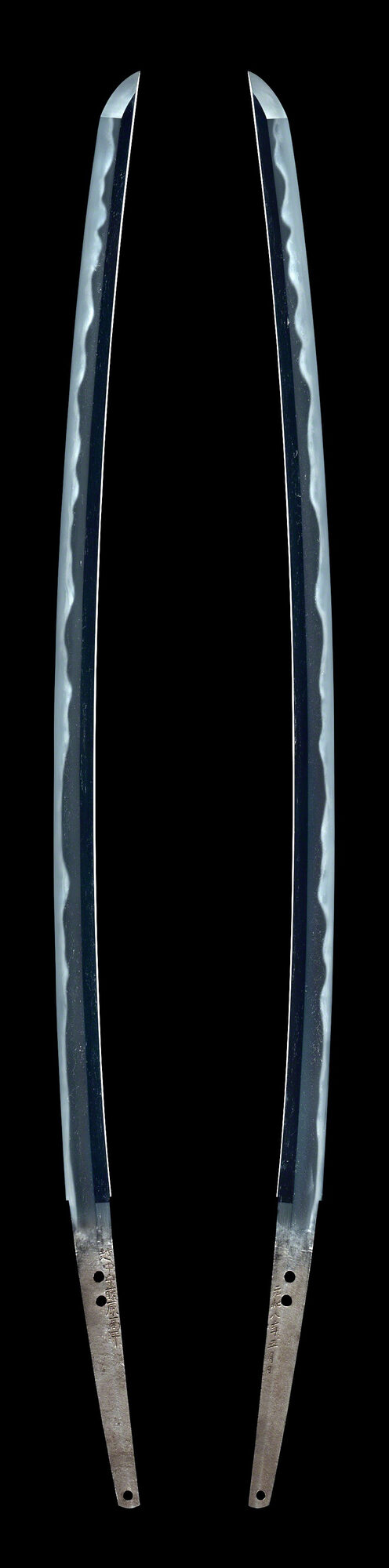
Katana signed 越中守藤原高平 (Etchū no Kami Fujiwara Takahira), dated to the fifth month of 1622 (Genna 8), both sides. Tokyo Fuji Art Museum. Tokyo Fuji Art Museum · CC0 1.0 · source 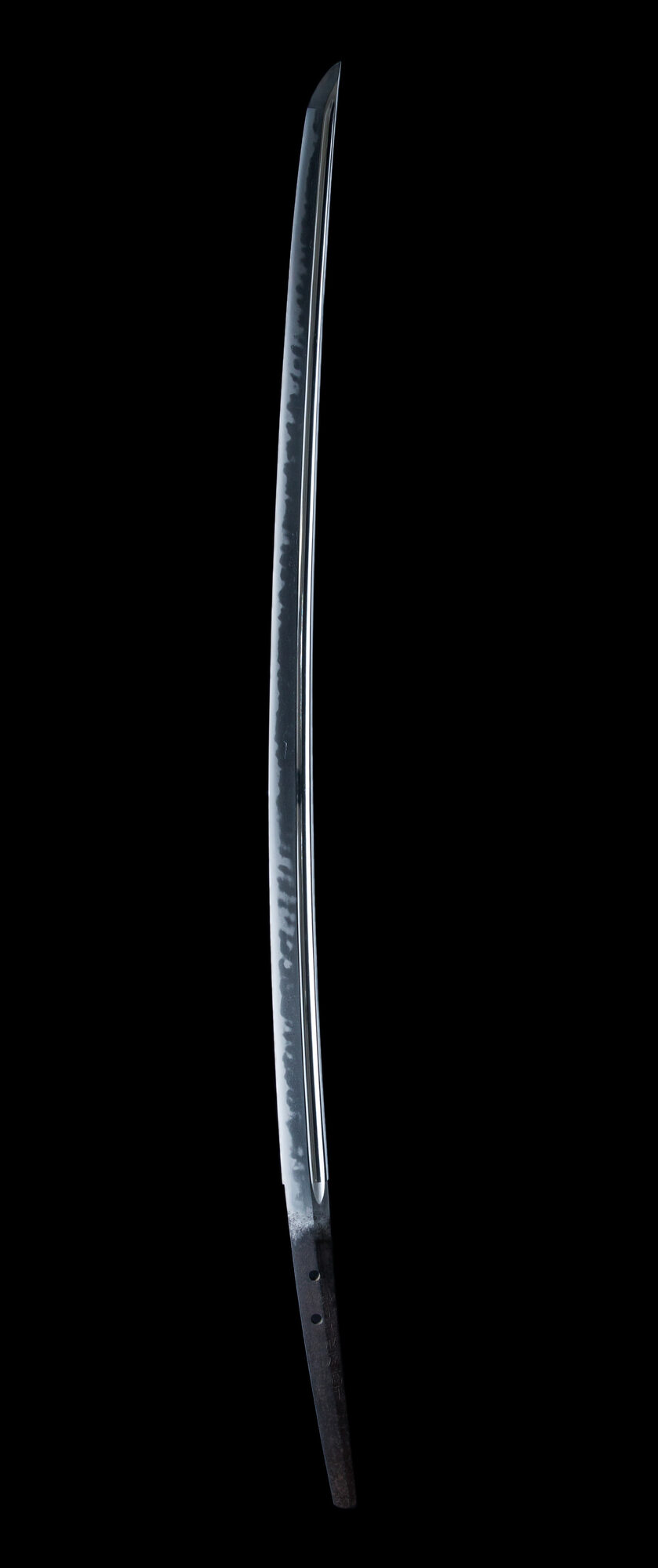
Katana signed 越中守藤原高平 (Etchū no Kami Fujiwara Takahira), dated to the sixth month of 1622 (Genna 8). The Metropolitan Museum of Art. The Metropolitan Museum of Art, New York · Public domain · source 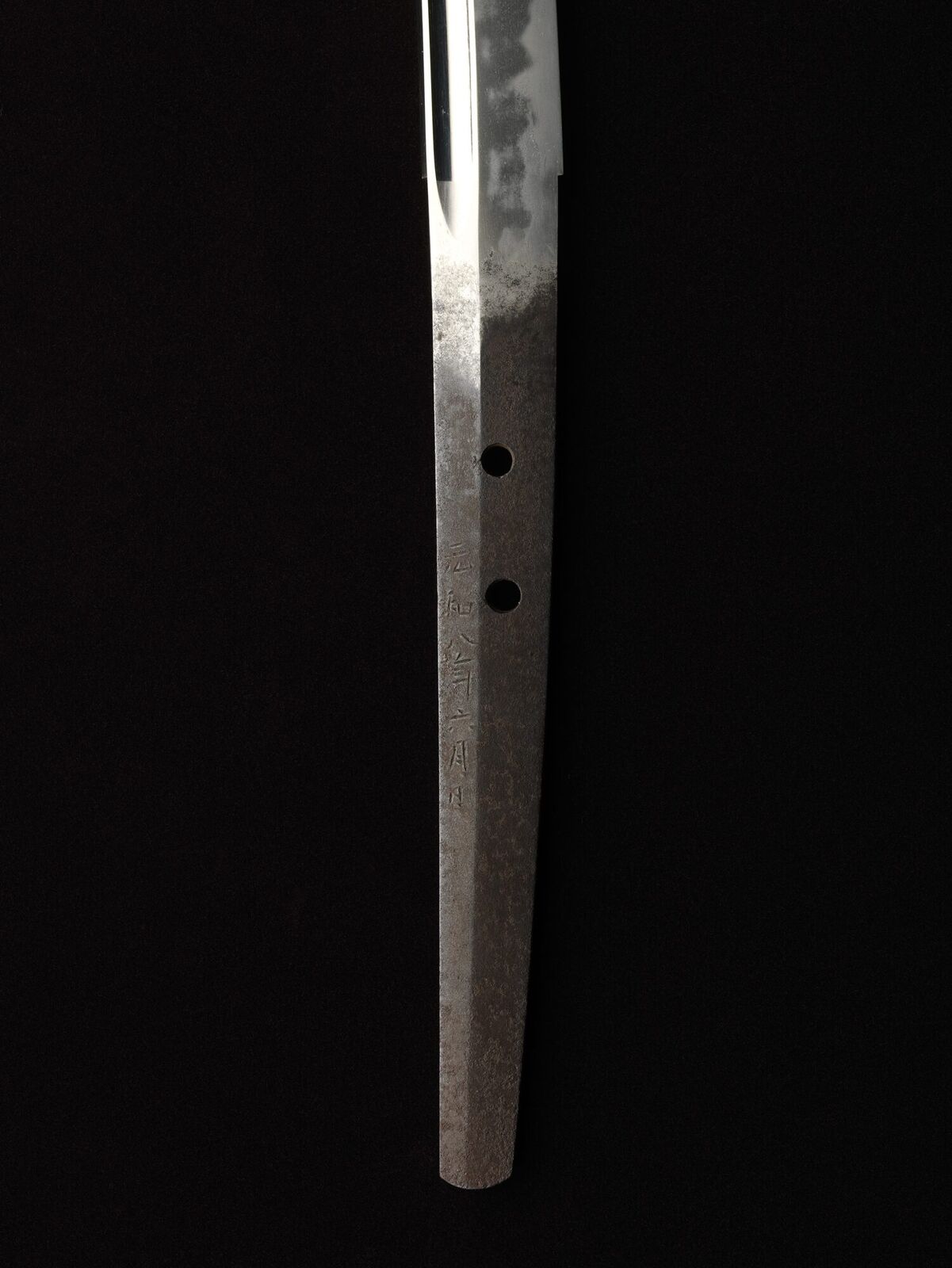
The other side of the tang, with the date 元和八年六月日 (Genna hachinen rokugatsu hi). The Metropolitan Museum of Art, New York · Public domain · source