On this page
Quick profile
- Name
- Kashū Kanewaka. The first signed Etchū no Kami Fujiwara Takahira from 1619 or 1621 AT
- Kanji and reading
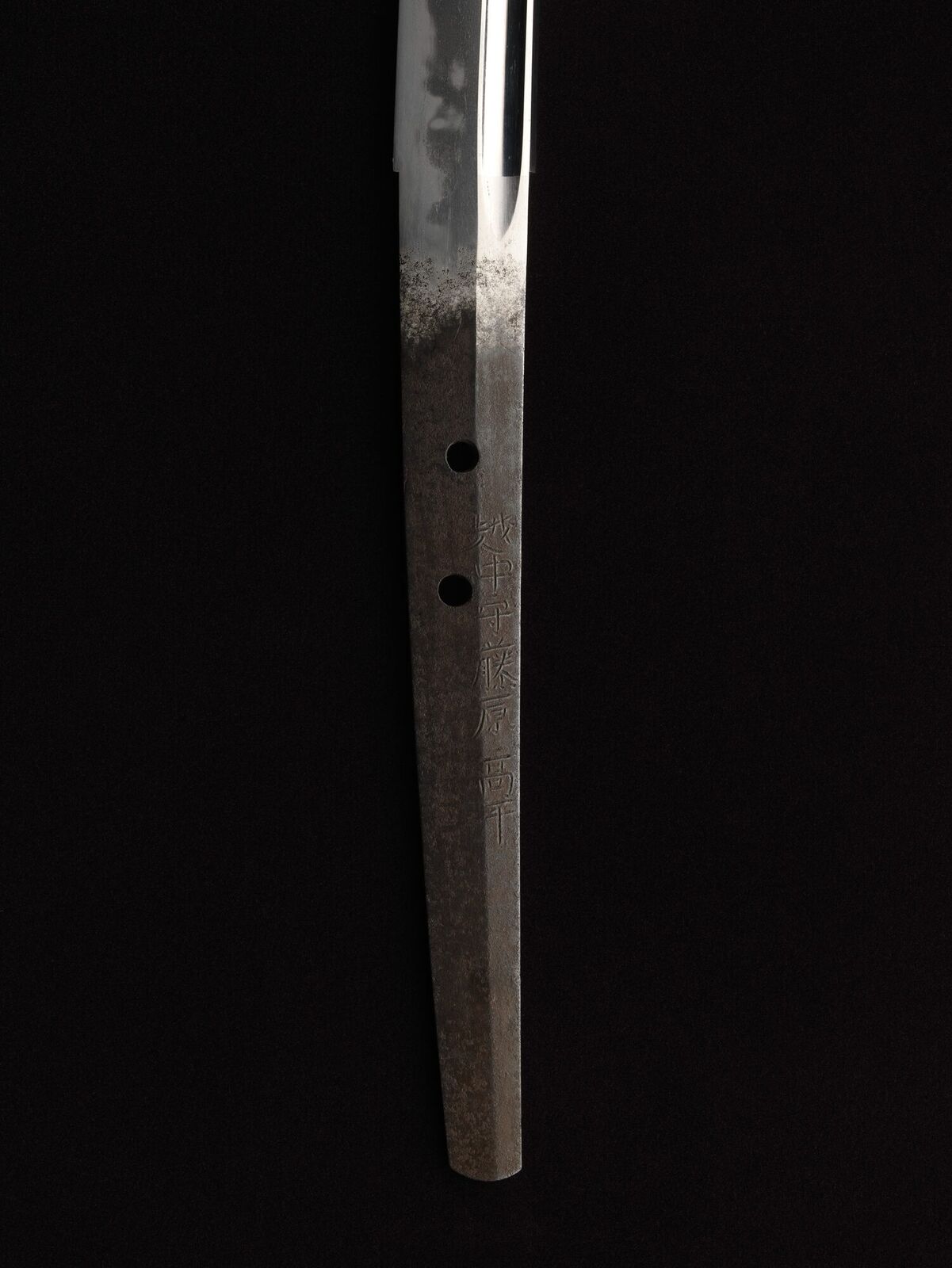
- 加州兼若 (Kashū Kanewaka), which the signatures write 賀州兼若 (Kashū Kanewaka); 越中守藤原高平 (Etchū no Kami Fujiwara Takahira); 辻村 (Tsujimura), the family surname AT
- Period
- From the beginning to the end of the Edo period: the first signed from 1604 to 1628 and the third died in 1711; according to the Heibonsha encyclopaedia, the family kept the name until the end of the Edo AT
- Province
- Kaga (加賀, Kaga): Kanazawa (金沢, Kanazawa); the family came from Mino (美濃, Mino) AT
- School
- Kaga, in the service of the Maeda, with Mino roots; according to the Japanese Wikipedia and Kotobank, the family claimed descent from Shizu Saburō Kaneuji AT
- Master and family
- The first, according to the Japanese Sword Index, son of Tsujimura Yomonosuke, who moved from Inuyama, in Owari, to Kaga around 1604. The second Kanewaka, Matasuke (又助, Matasuke), was his third son according to the NBTHK, and the third, Shirōemon, son of Matasuke according to the Japanese Sword Index AT
- Title
- Etchū no Kami (越中守, Etchū no Kami), the first, in 1619 (Genna 5), according to the Japanese Wikipedia and Kotobank; according to the Japanese Sword Index, a tantō signed Etchū Daijō (越中大掾, Etchū Daijō) points to a brief period with that title AT
- Generations
- Three with dates: the first, active from 1604 to 1628; Matasuke, from 1613 to 1677 according to the Japanese Sword Index, and Shirōemon, who inherited the name in 1677 and died in 1711. How many generations there were afterwards is not recorded in the sources consulted. AT
- Cutting rank
- In the 『懐宝剣尺』 (Kaihō Kenjaku), the first is 大業物 (ō-wazamono) as Kashū Kanewaka, and is in the mixed category as Etchū no Kami Takahira, according to the Japanese and English Wikipedia; the Japanese Sword Index gives him 良業物 (yoki-wazamono) AT
- Documented fact and tradition
- Documented: katana by Takahira of 1622 in the Metropolitan Museum, the Tokyo Fuji Art Museum and the Tokyo National Museum, two katana that are cultural properties of Ishikawa prefecture and a katana of 1664 signed by Matasuke. Tradition: that the family descended from Shizu Saburō Kaneuji, and the nickname Kaga Masamune. AT
In short
According to the Japanese Wikipedia and Kotobank, around 1605 the Maeda called the first Kanewaka, a swordsmith born in Mino, to Kanazawa. He signed Kanewaka until 1619, when he received the title of Etchū no Kami and changed his name to Takahira; his last work is of 1628.
He was followed by his third son, Matasuke, and Matasuke’s son, Shirōemon, who died in 1711. The Heibonsha encyclopaedia cites the Kanewaka as an example of swordsmiths in the service of a lord: they kept the name and the technique in the Maeda house until the end of the Edo period.
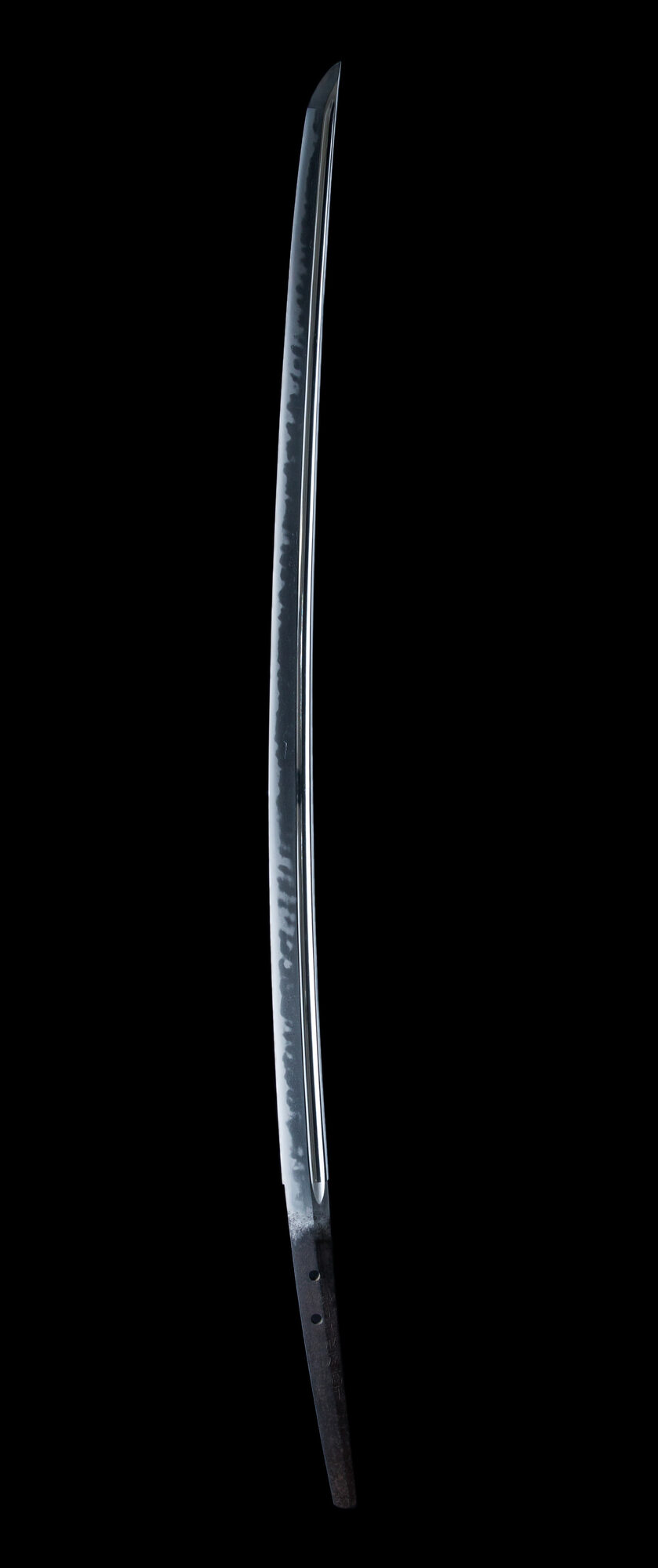
There are katana by the first generation, as Takahira, in the Metropolitan Museum in New York, in the Tokyo Fuji Art Museum and in the Tokyo National Museum. His hamon of square gunome, the hako-midare, is for the Japanese Sword Index and for the NBTHK the trait of the school.
Sections
-
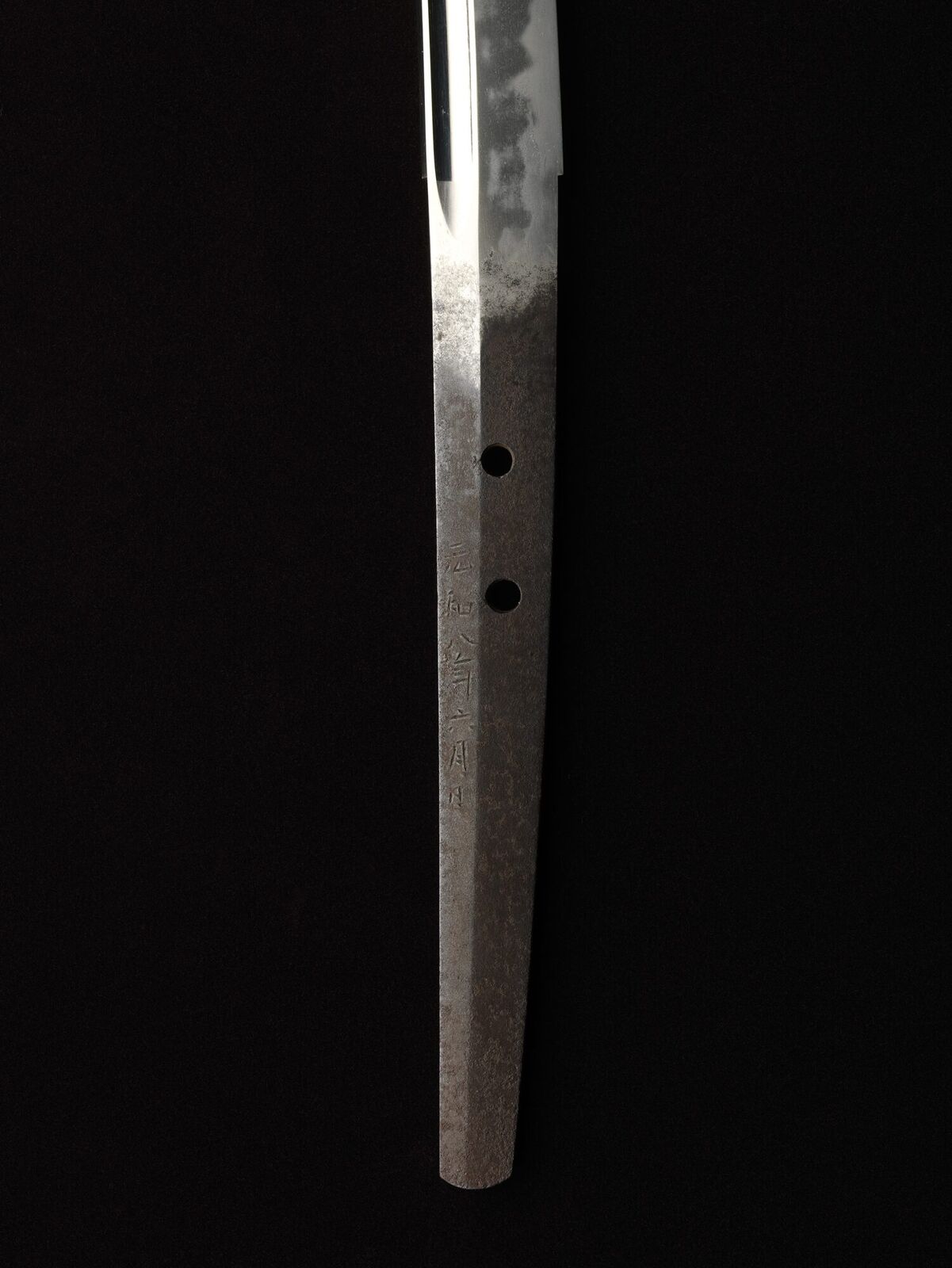 One name, several generations
Life and times
From Mino to Kanazawa, from Kanewaka to Takahira, and the sons and grandsons of the first.
-
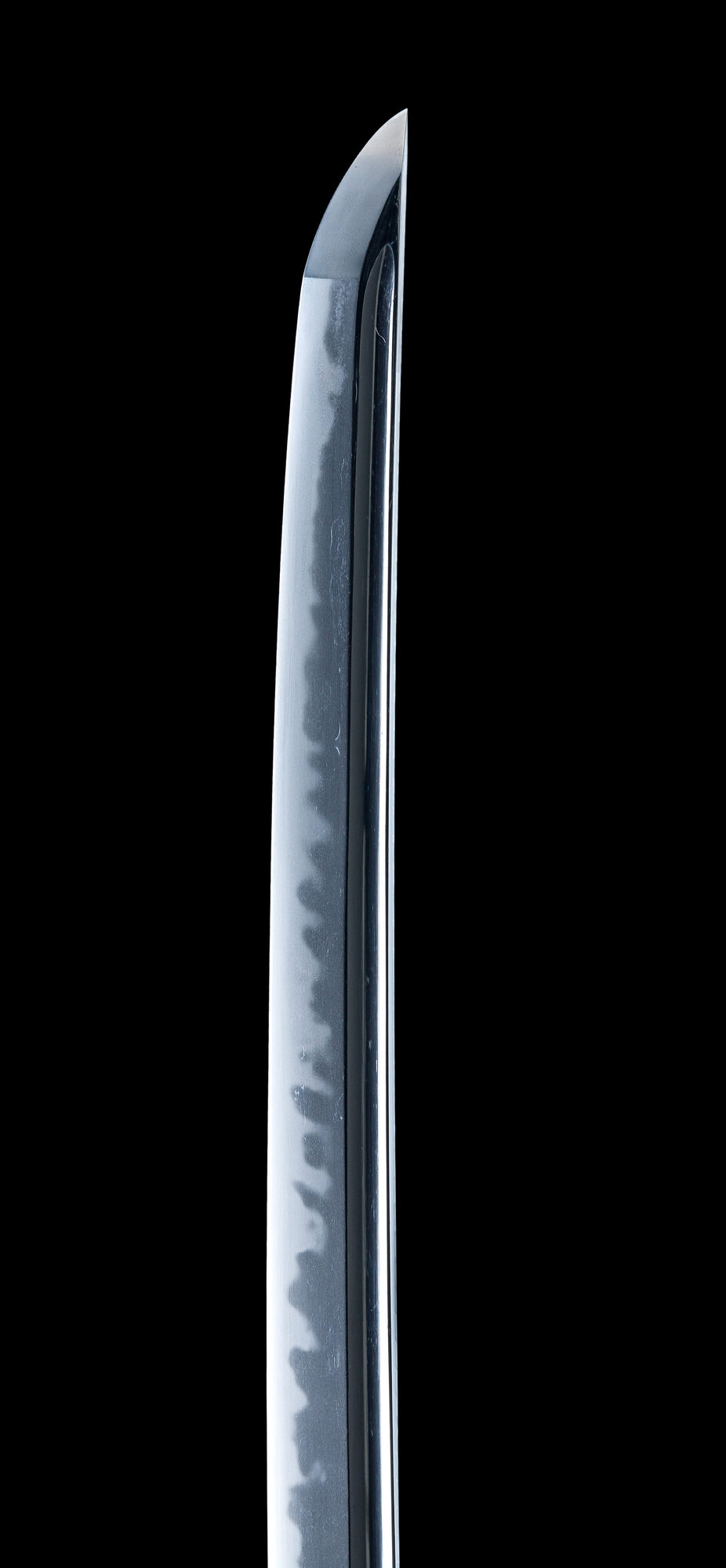 Kantei keys
Work and style
The hako-midare, the jihada, the bōshi, the engravings, the signatures and how to tell the generations apart.
-
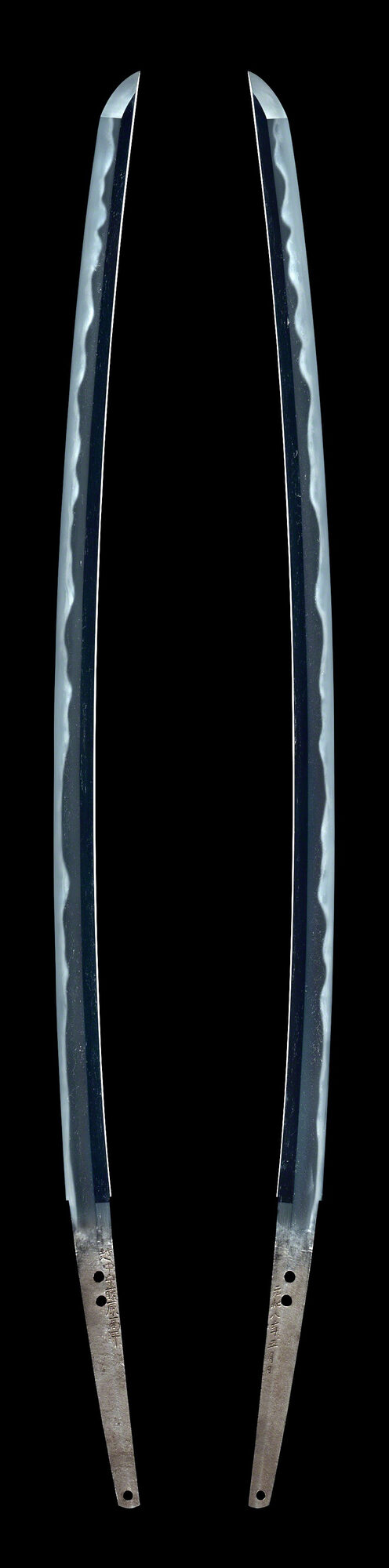 In museums and lists
Famous works
The museum blades, the designated ones and his place in the cutting list.
-
 Bibliography and credits
Sources
The sources consulted and the image credits.