On this page
Quick profile
- Name
- Kanemoto, second generation; he is called Magoroku Kanemoto or Seki no Magoroku. He signed 兼元 (Kanemoto), in two characters AT
- Kanji and reading
- 孫六兼元 (Magoroku Kanemoto) · 関の孫六 (Seki no Magoroku) AT
- Period
- End of the Muromachi: works dated from 1523 to 1538, according to the Japanese Wikipedia. The Metropolitan in New York places him as active around 1504–1520. AT
- Province
- Mino: Seki, in the Mugi district AT
- School
- Sue-Seki, late Mino; the Japanese Wikipedia places him in the 美濃三阿弥 (Mino San'ami) school AT
- Master and generations
- Apprentice of the first Kanesada around the Eishō era (1504–1521), according to the Japanese Wikipedia. The name Kanemoto continues to this day, but Magoroku is reserved for him. AT
- Documented fact and tradition
- Documented: signed blades at the Tokyo National Museum and at the Metropolitan, and the Aoki Kanemoto, Important Art Object since 1939. Tradition: his sworn brotherhood with Izumi no Kami Kanesada and the cutting feats of his blades. AT
In short
What we know. That he worked in Seki at the end of the Muromachi, that his long blades, with a thin kasane and a high shinogi, were made to be used with two hands, and that his temper is the sanbonsugi. The Kaihō Kenjaku of 1797 places him, with the first Kanemoto, among the saijō ōwazamono, the supreme cutting grade.
How we know it. From the Japanese and English Wikipedias and from Nagayama’s study collected by the Japanese Sword Index; his blades, from the records of the Tokyo National Museum and of the Metropolitan.
What we do not know. Whom he trained with, which of the two dates of his activity is the right one and whether any of his blades is a National Treasure or an Important Cultural Property: none has been found.
Sections
-
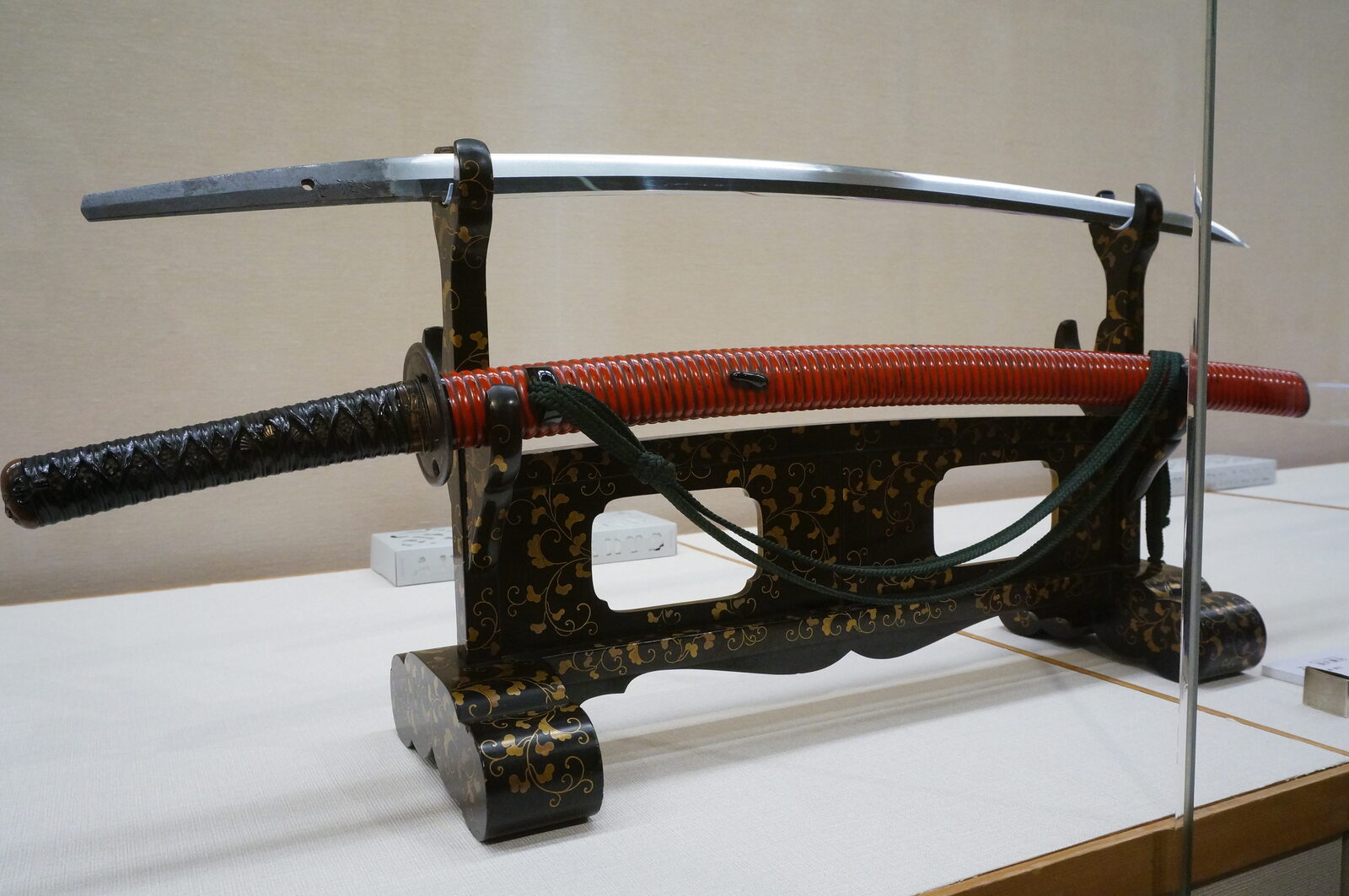 Seki · two versions of his training · his owners
Life and times
The Kanemoto line, his apprenticeship, the discrepancy in his dates and who carried his blades.
-
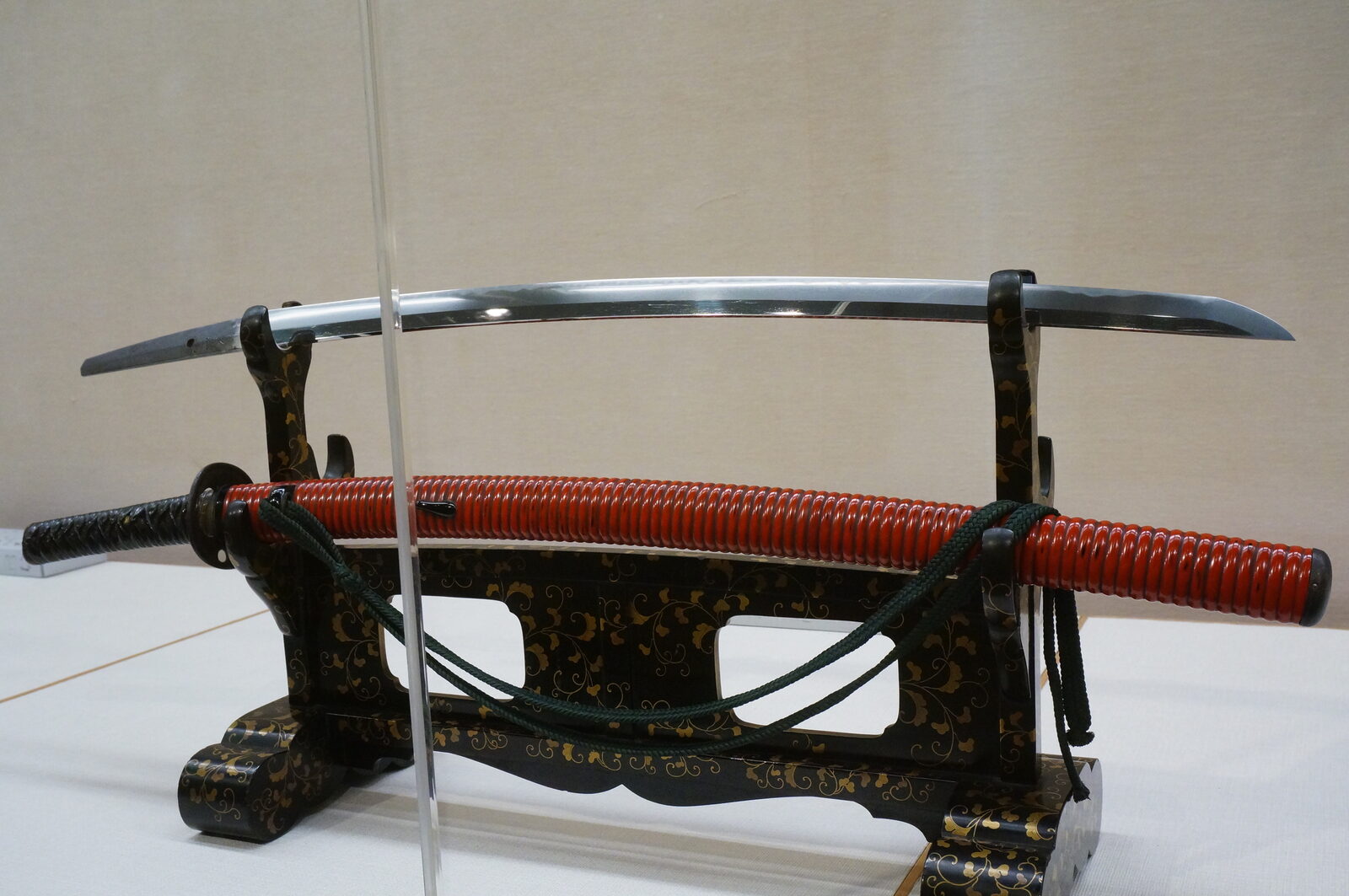 Sanbonsugi · high shinogi · jizō bōshi
Work and style
The kantei keys of his blades: the shape, the jigane, the sanbonsugi and the bōshi, with where the sources disagree.
-
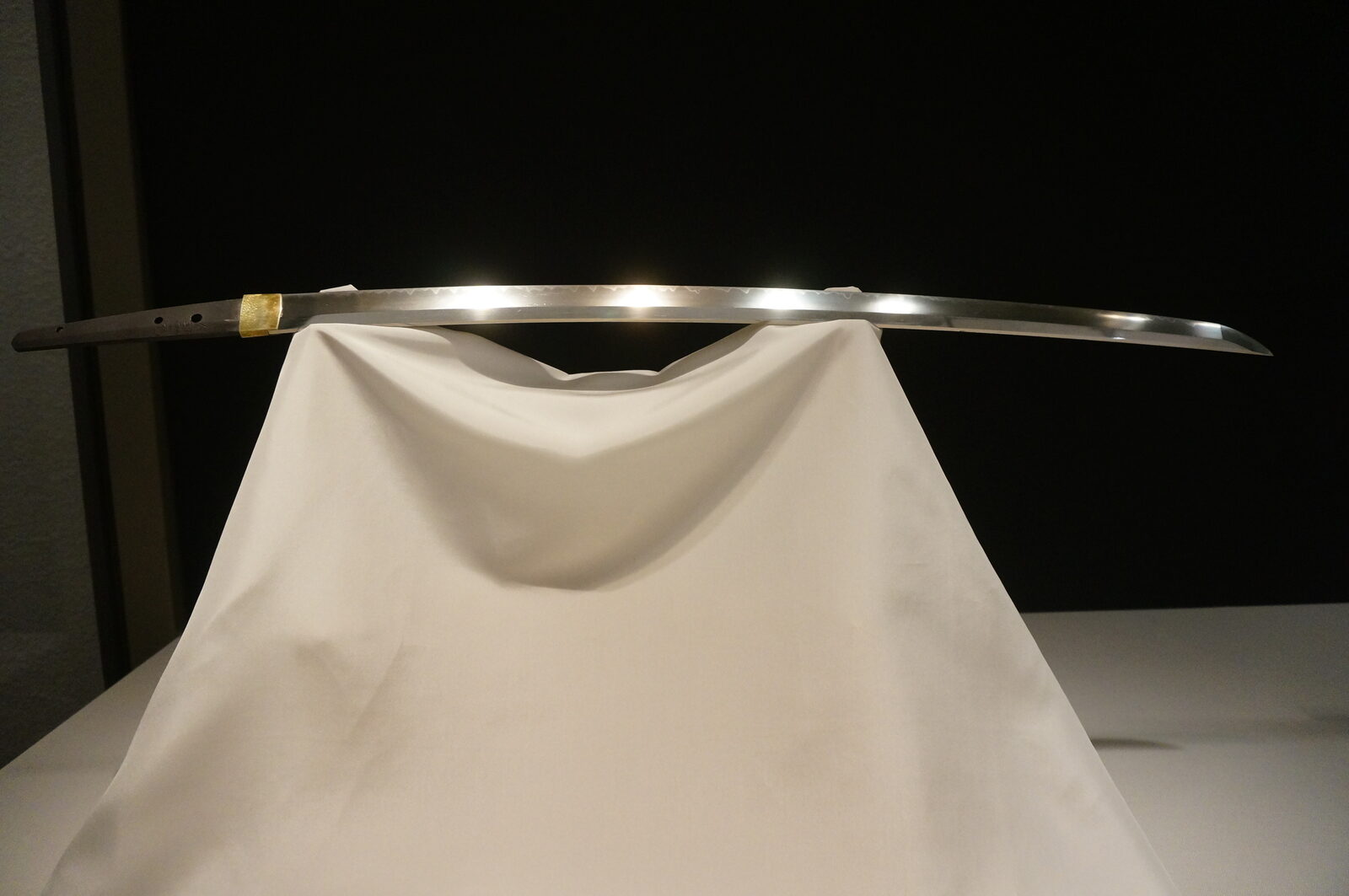 Aoki Kanemoto · saijō ōwazamono · museums
Famous works
The Aoki Kanemoto, his blades in the museums of Tokyo and New York and his place in the cutting list of 1797.
-
 Seki and its 2025 exhibition
Videos
Three videos by visitors of Seki and of the exhibition “Magoroku Kanemoto and the sanbonsugi”.
- Bibliography and credits Sources The sources consulted on 4 October 2026, with their link where possible, and the credit for each image.