On this page
Quick profile
- Name
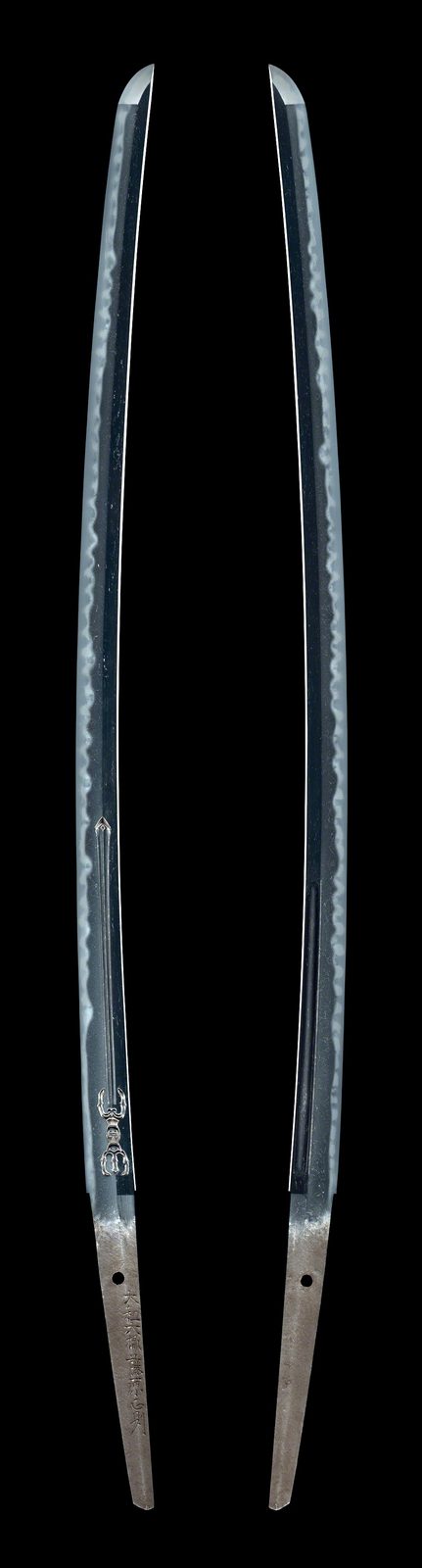
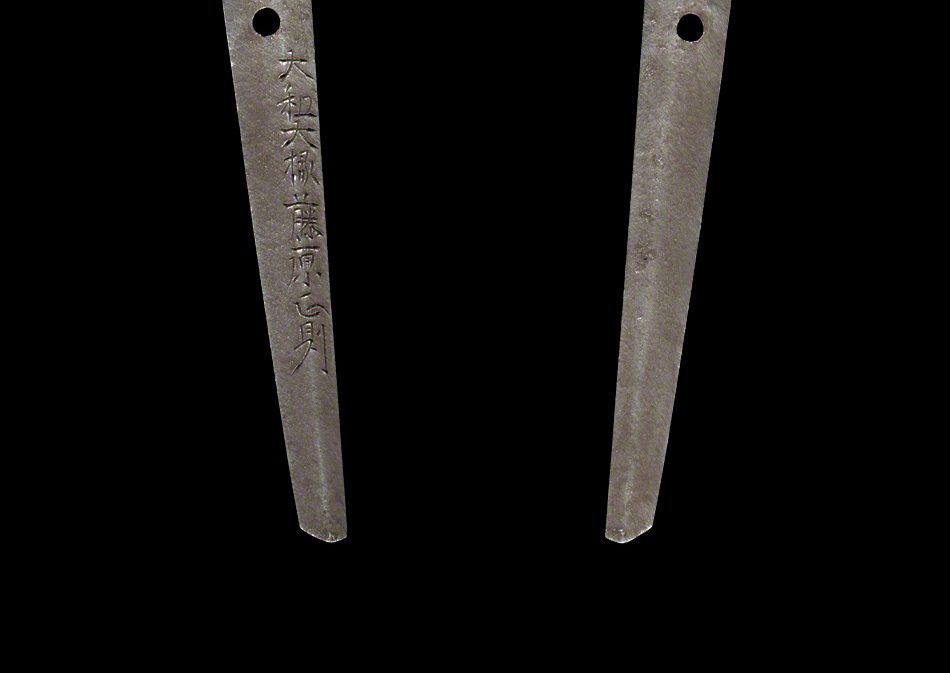
- Masanori; signature 大和大掾藤原正則 (Yamato Daijō Fujiwara Masanori) HD
- Kanji and reading
- 正則 (Masanori) HD
- Period
- Shintō, early Edo period (17th century) HD
- Province
- Echizen (越前, Echizen), in Fukui; according to tradition, he came from Kyoto and from Miyazu, in Tango AT
- School
- The Echizen swordsmiths who settled in Fukui with the castle of the Matsudaira HD
- Master
- Not recorded in the sources consulted; tradition makes him a descendant of 三条吉則 (Sanjō Yoshinori), of Yamashiro PC
- Title
- 大和大掾 (Yamato Daijō), received around 1608 (Keichō 13) HD
- Generations
- The cutting list records him as the first generation (初代, shodai); of a second there are no data in the sources consulted AT
- Cutting rank
- 良業物 (yoki-wazamono), the third of four grades, in the 懐宝剣尺 (Kaihō Kenjaku) of 1797 AT
- Documented fact and tradition
- His title, his dated blades and his style are given by the record of the Tokyo Fuji Art Museum. His Kyoto lineage and his time in Tango are tradition, and the museum gives them as such. AT
In short
What we know. That he signed 大和大掾藤原正則 (Yamato Daijō Fujiwara Masanori), that he received the title around 1608 and that there are blades of his dated 1608, 1616, 1624 and 1651, according to the Tokyo Fuji Art Museum. And that the Yamada cutting list places him among the yoki-wazamono.
How we know it. From the record of his katana in the Tokyo Fuji Art Museum and from the list of cultural properties of Akita prefecture, which protects another katana of his. The cutting rank is given by Japanese Wikipedia.
What we do not know. Who his master was, when he was born and died, and who the second generation was. No blade of his with a national designation has been found.
Sections
-
 From Kyoto to Fukui
Life and times
The swordsmiths who came to Fukui with the castle of the Matsudaira, the title of Yamato Daijō and the dates of his blades.
-
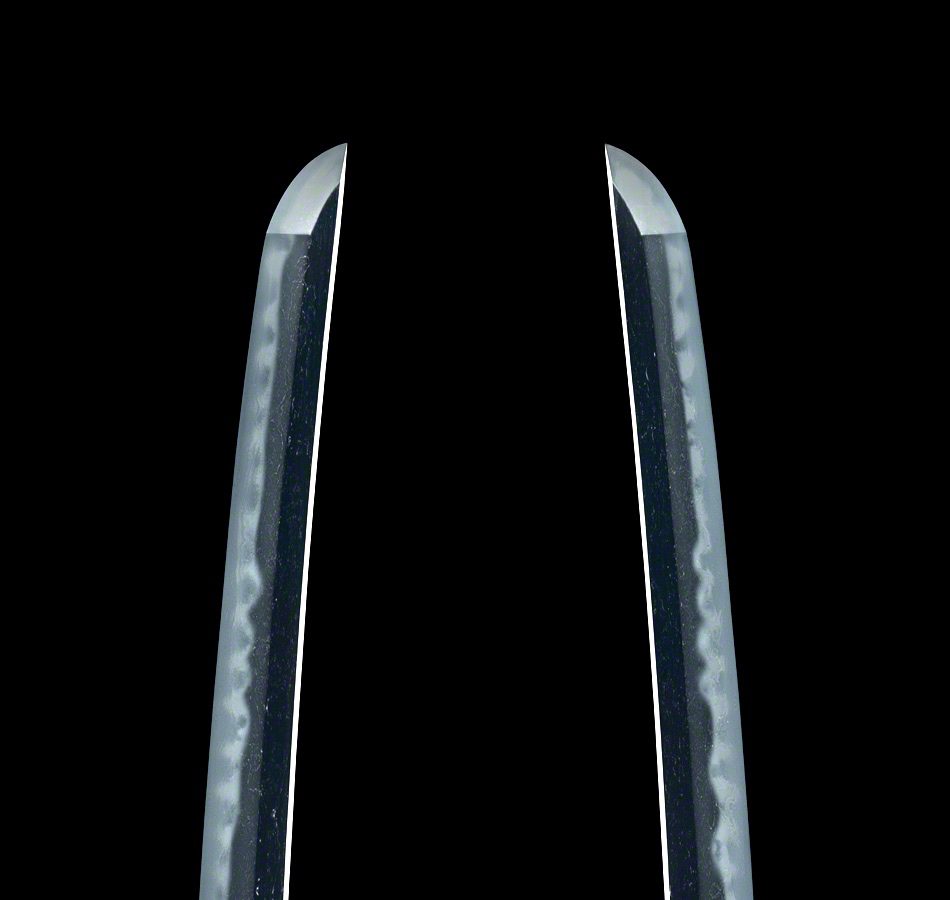 Itame · gunome-midare with points
Work and style
The shape, the steel, the temper and the signature of his katana in the Tokyo Fuji Art Museum.
-
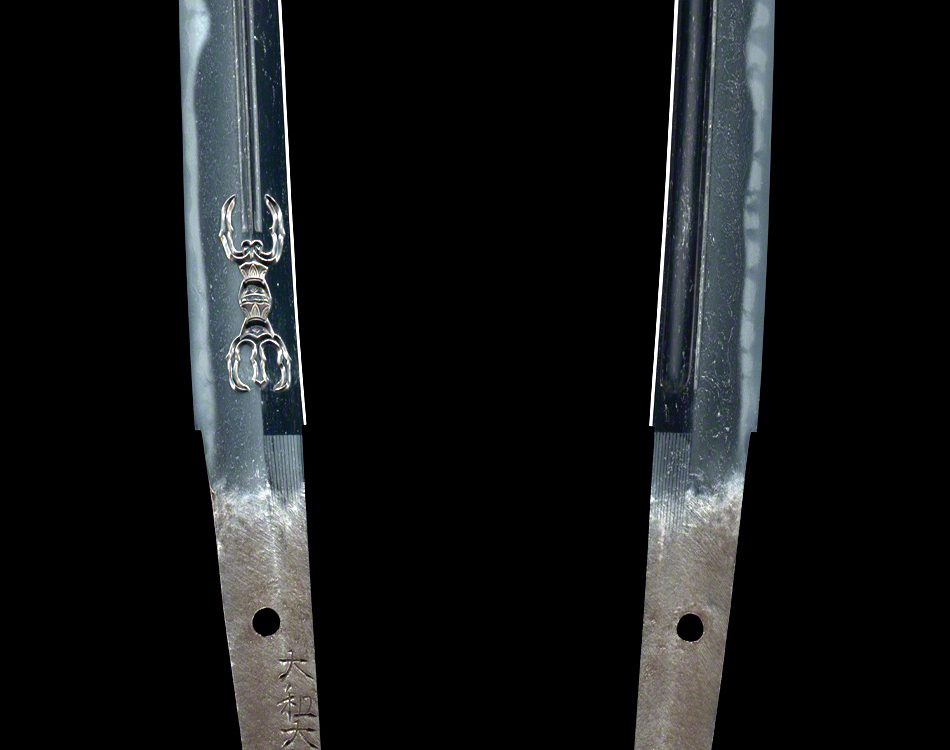 Yoki-wazamono · two known katana
Famous works
His rank in the cutting list, the museum’s katana and the one that is a cultural property of Akita prefecture.
-
Bibliography and credits
Sources
The sources consulted on 4 October 2026, with their link where possible, and the credit for each image.