On this page
The swordsmiths of Fukui
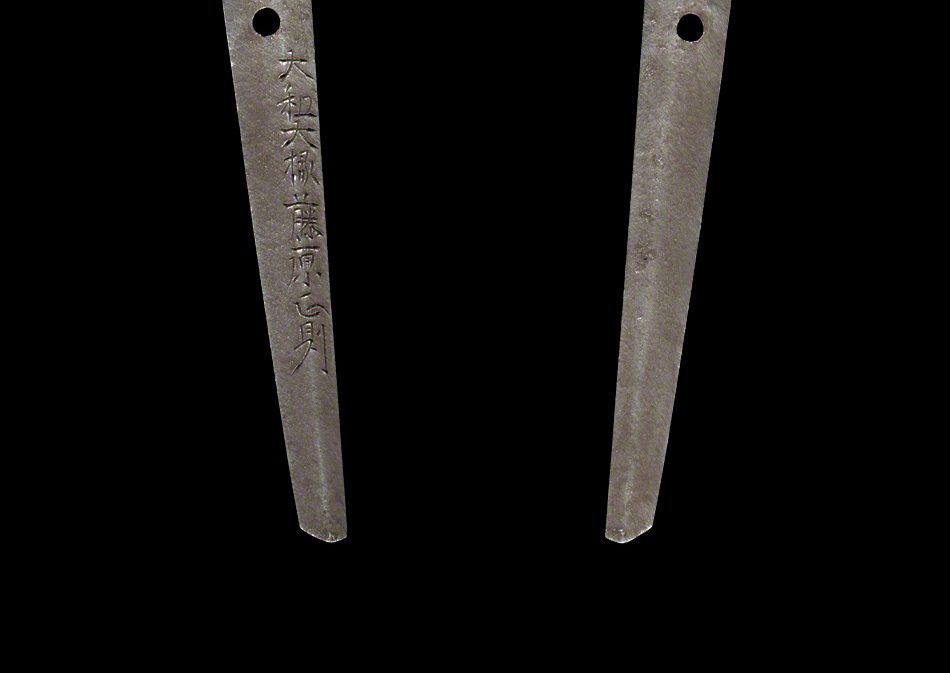
The Tokyo Fuji Art Museum relates that, when Fukui became the castle of 結城秀康 (Yūki Hideyasu), with a fief of 670,000 koku, 康継 (Yasutsugu), of Ōmi, 山城守国清 (Yamashiro no Kami Kunikiyo), of Shinano, and, from Yamashiro, Yamato Daijō Masanori and others settled there: together they formed the Echizen swordsmiths and competed with one another.
What tradition says
According to the tradition recorded by the Tokyo Fuji Art Museum, Masanori descended from 三条吉則 (Sanjō Yoshinori), of Yamashiro; his home province was Miyazu (宮津, Miyazu), in Tango, he also lived in Kyoto and then moved to Fukui, where he was swordsmith to the house of 松平忠直 (Matsudaira Tadanao), eldest son of Hideyasu. None of the sources consulted gives his master or the dates of his birth and death.
The dates of his blades
- Title
- Yamato Daijō, around 1608 (Keichō 13) HD
- Dated blades
- 1608 (Keichō 13), 1616 (Genna 2), 1624 (Kan'ei 1) and 1651 (Keian 4) HD
- Generations
- The cutting list records him as the first generation; of the second there are no data in the sources consulted AT
Who he is confused with
- With 福島正則 (Fukushima Masanori), the daimyō, who was not a swordsmith.
- With the Masanori of Mihara (三原正則, Mihara Masanori), in Bingo, swordsmiths of the Muromachi period.
- With 長曽祢当則 (Nagasone Masanori), a fittings craftsman of Daishōji, in Kaga, whom Markus Sesko cites when dealing with Kotetsu’s family.