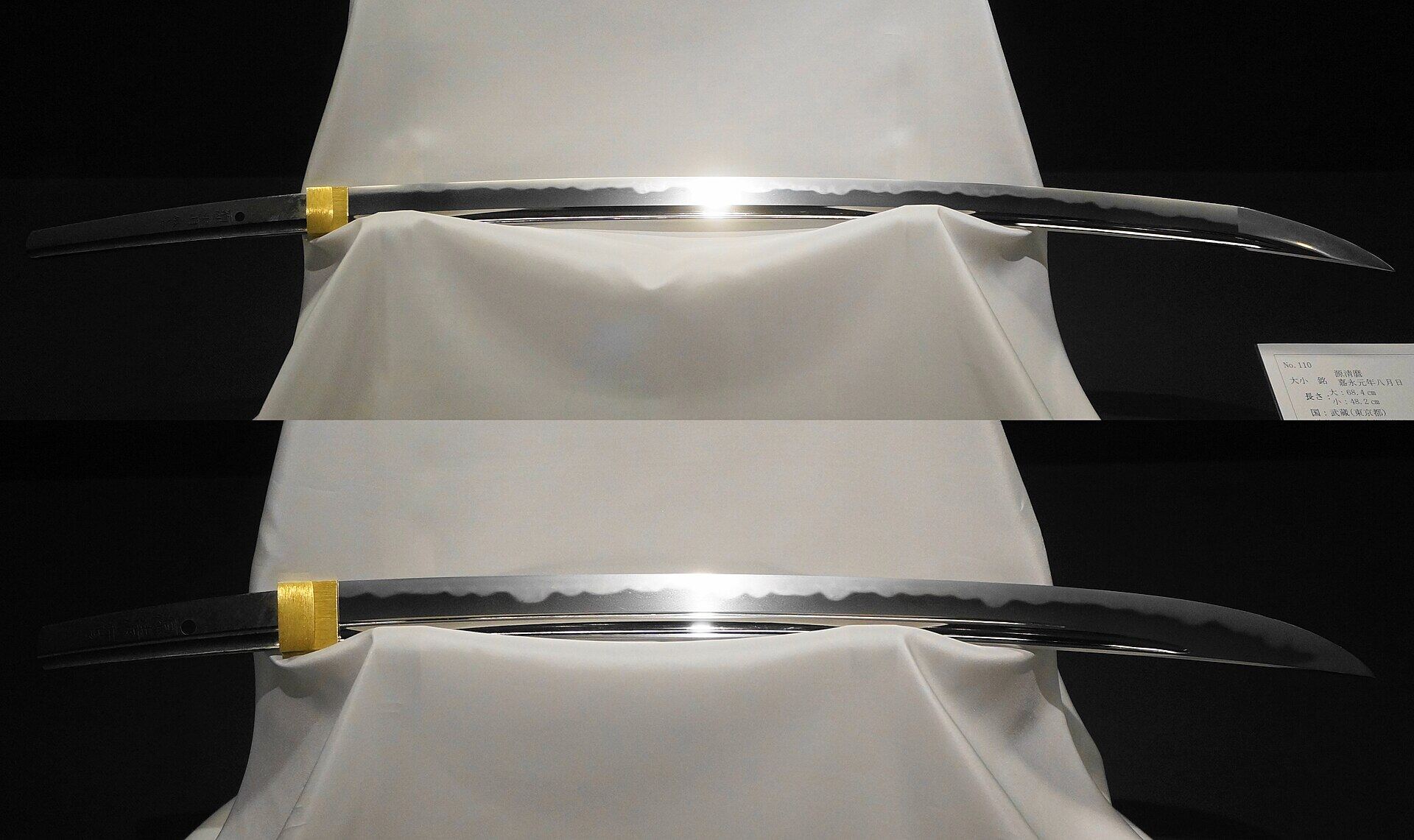
On this page
Quick profile
- Name
- Minamoto Kiyomaro HD
- Kanji and reading
- 源清麿 (Minamoto Kiyomaro); the Japanese Wikipedia notes that the original reading is Sugamaro, although today it is said Kiyomaro. Earlier signatures: 一貫斎正行 (Ikkansai Masayuki), 秀寿 (Hidetoshi) and 山浦環正行 (Yamaura Tamaki Masayuki) AT
- Period
- Shinshintō, late Edo period: the dated works cited here run from 1830 to 1852 HD
- Province
- Born in Shinano (信濃, Shinano); forges in Edo, in Musashi, for about two years in Hagi (Nagato) and in Komoro HD
- School
- Trained in Bizen-den, he develops a Sōshū-den of his own and creates his school, that of Kiyomaro AT
- Master
- Kawamura Toshitaka (河村寿隆), smith of the Ueda domain, with his elder brother HD
- Title
- None known PC
- In the lists
- One of the three great smiths of Edo: the NBTHK devoted the 2025 exhibition to him with Masahide and Naotane HD
- Documented fact and tradition
- Documented: his signatures and dates, the support of Kubota Sugane and his death, in the NBTHK panels. Tradition: the “flight” to Hagi, Koyama Munetsugu’s challenge and the legends about the reasons for his death. AT
In short
He learned under Kawamura Toshitaka in the Bizen tradition, reached Edo in 1835 and there found a patron in Kubota Sugane (窪田清音). After about two years in Hagi he returned to Edo, settled in Yotsuya and in 1846 changed his name to Kiyomaro. For the NBTHK, his Sōshū-den, with gunome-midare touched with chōji, sunagashi and kinsuji, cannot be mistaken for that of any other smith, and his short career makes his works very rare. His pupils included Kurihara Nobuhide, Saitō Kiyondo (斎藤清人) and Suzuki Masao (鈴木正雄).
Sections
-
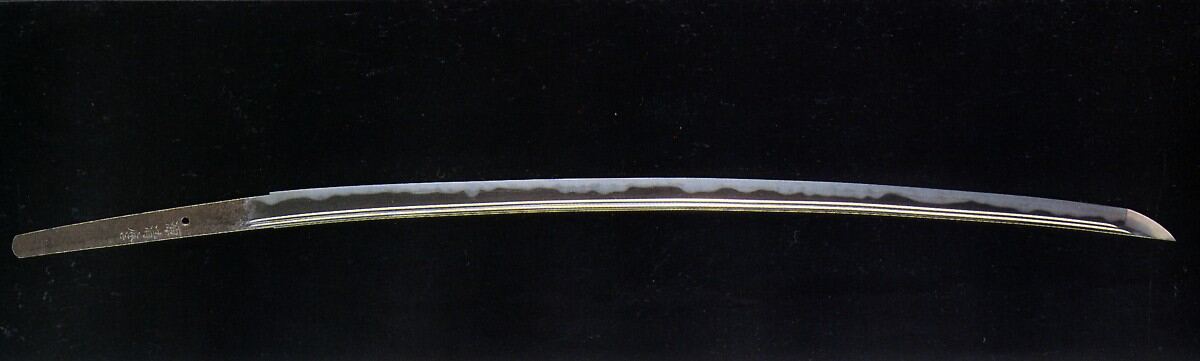 From Shinano to Yotsuya
Life and times
Toshitaka, Kubota Sugane, Hagi, Yotsuya and his death.
-
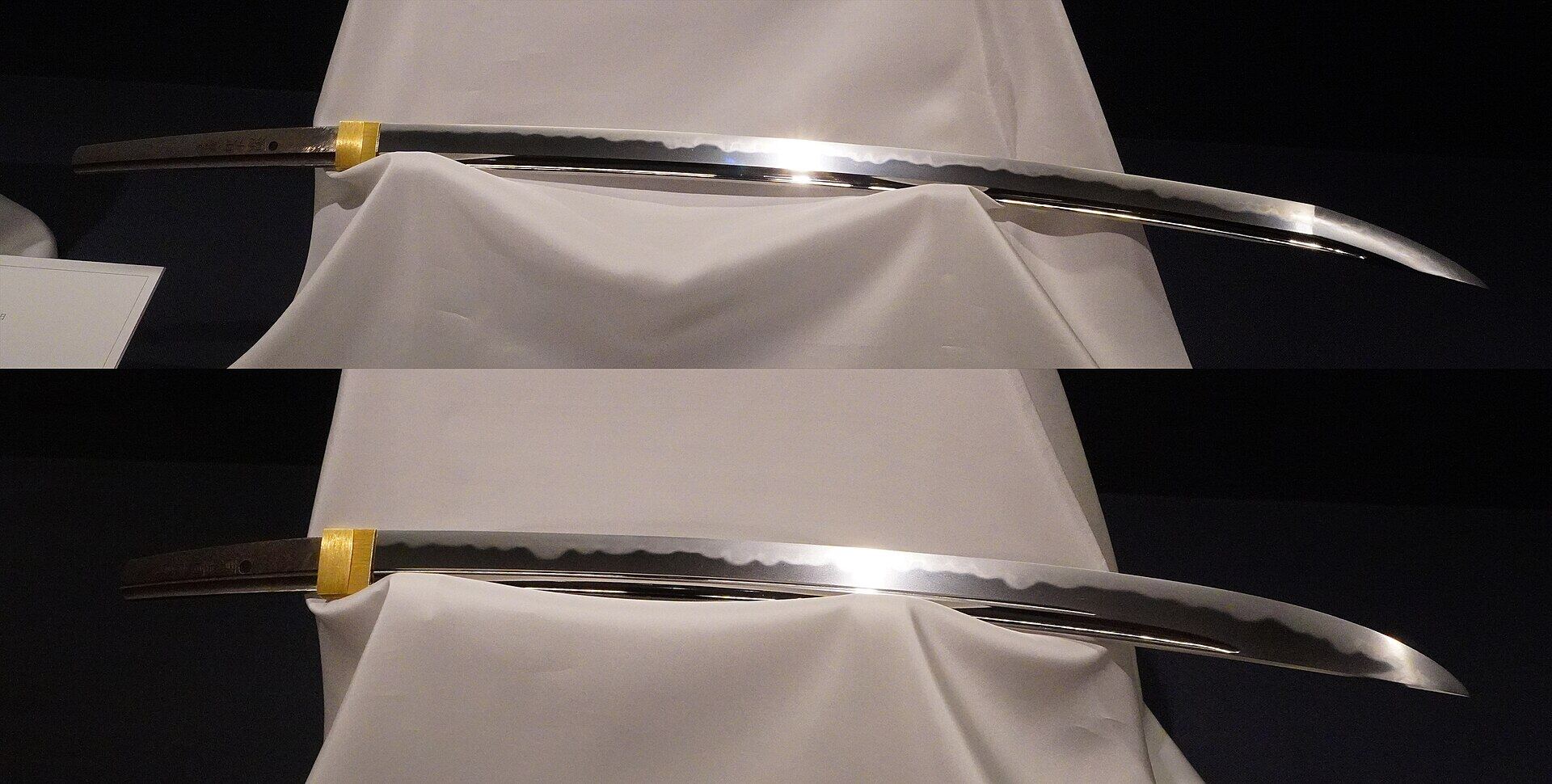 Kantei keys
Work and style
Sugata, jihada, hamon, bōshi, nakago and mei.
-
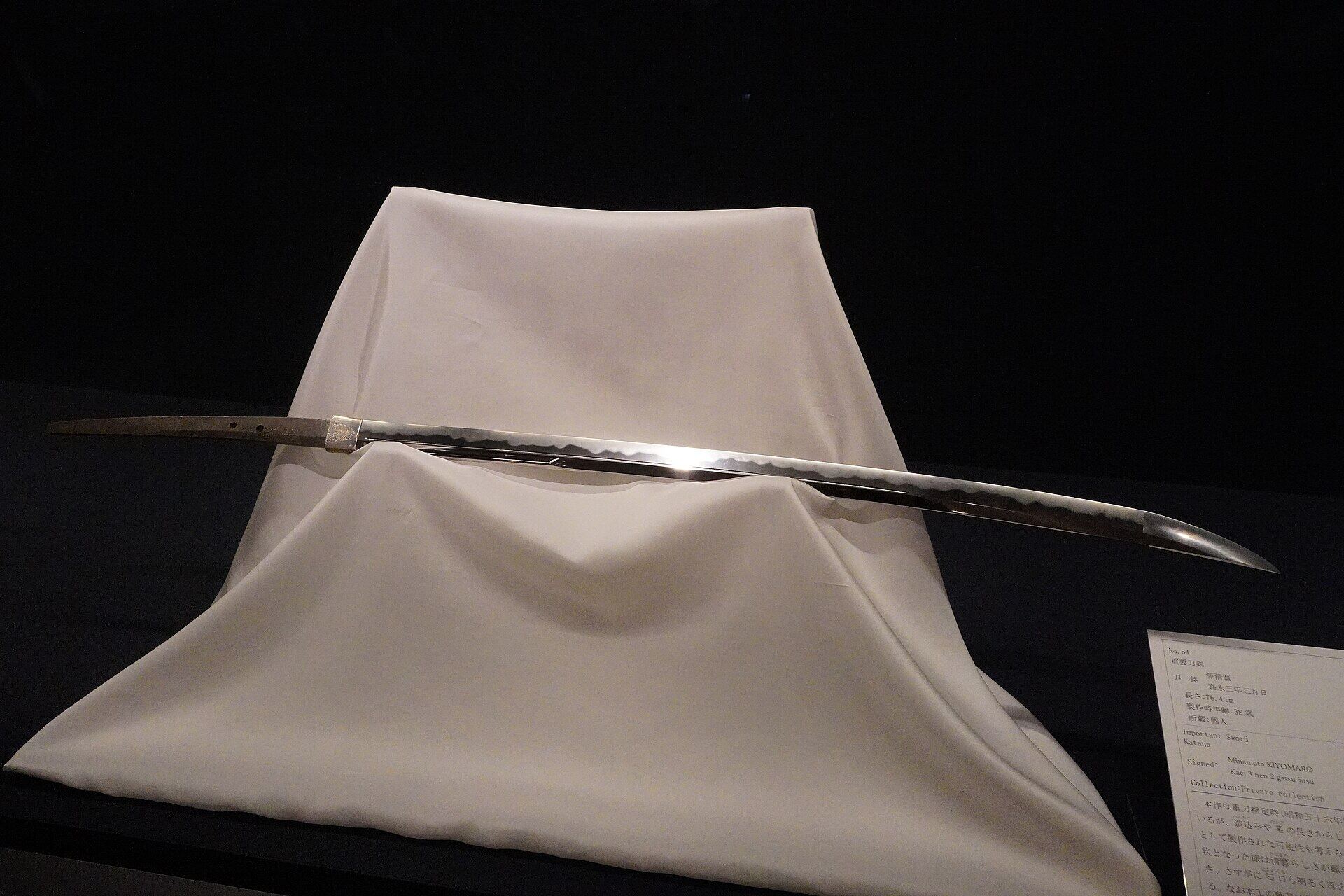 In museums, shrines and lists
Famous works
His designated works and those of the 2025 exhibition.
-
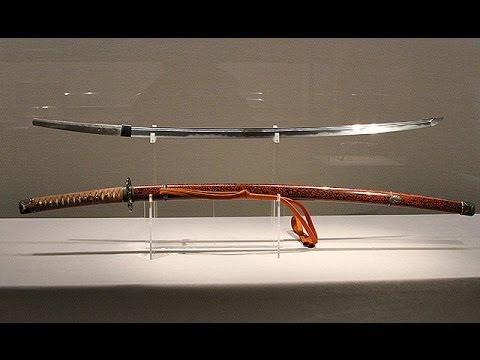 Two exhibitions
Videos
The one of 2014 at the Nezu Museum and the one of 2025 at the Japanese Sword Museum.
-
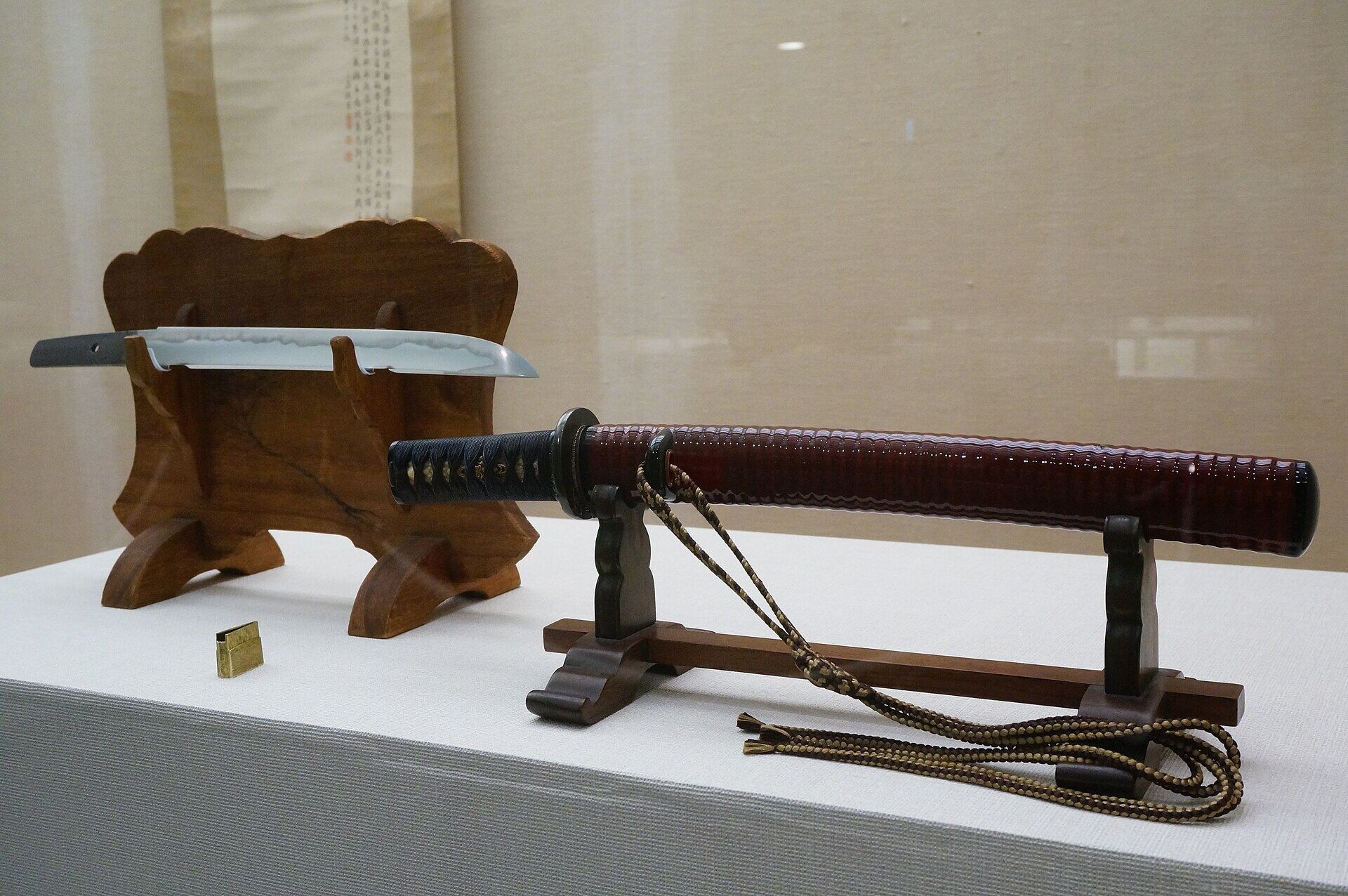 Bibliography and credits
Sources
The sources consulted and the image credits.