On this page
Quick profile
- Name
- Mitsutada; Osafune Mitsutada; two-character signature, 光忠 (Mitsutada) AT
- Kanji and reading
- 光忠 (Mitsutada) · 長船光忠 (Osafune Mitsutada) AT
- Period
- Mid-Kamakura, with three datings: 1247–1256, 1247–1278, and from about 1238 to the beginning of the Bun’ei era (1264–1275) AT
- Province
- Bizen (備前, Bizen): Osafune, in the Yoshii basin, today Setouchi (瀬戸内, Setouchi), in Okayama AT
- School
- Osafune (長船派, Osafune-ha), of which he is held to be the de facto founder HD
- Master and family
- Son, according to the old texts, of Chikatada (近忠, Chikatada), of whom no work survives; father of Nagamitsu (長光, Nagamitsu) AT
- Documented fact and tradition
- Documented: his blades in the museums and in the Agency for Cultural Affairs’ database, among them National Treasures and Important Cultural Properties. Tradition: his dates, his father Chikatada and the story of the Shokudaikiri. HD
In short
What we know. The Tokyo National Museum has him living in Osafune in the mid-Kamakura and calls him the de facto founder of the Osafune school. The Agency for Cultural Affairs’ database records his signed and attributed blades, and when it was consulted on 4 October 2026 two of them were National Treasures.
How we know it. From the museum records (ColBase, e-Museum) and those of Bunka Isan Online, and from the NBTHK Sword Journal; and, for his dates and his story, from the Japanese Wikipedia, the Kotobank dictionaries and Markus Sesko.
What we do not know. His exact years: there is no dated blade of his. Whether any is in the Kyōhō meibutsuchō, and the official records of the blades of the Izumo, Itsukushima and Kishū shrines.
Sections
-
 Chikatada · Osafune · Nobunaga
Life and times
The de facto founder of Osafune, three datings, the debate on the origin of the school and Oda Nobunaga’s Mitsutada.
-
 Chōji · midare-utsuri · ikubi-kissaki
Work and style
His kantei keys, from the sugata to the nakago, and what sets him apart from the Ichimonji school.
-
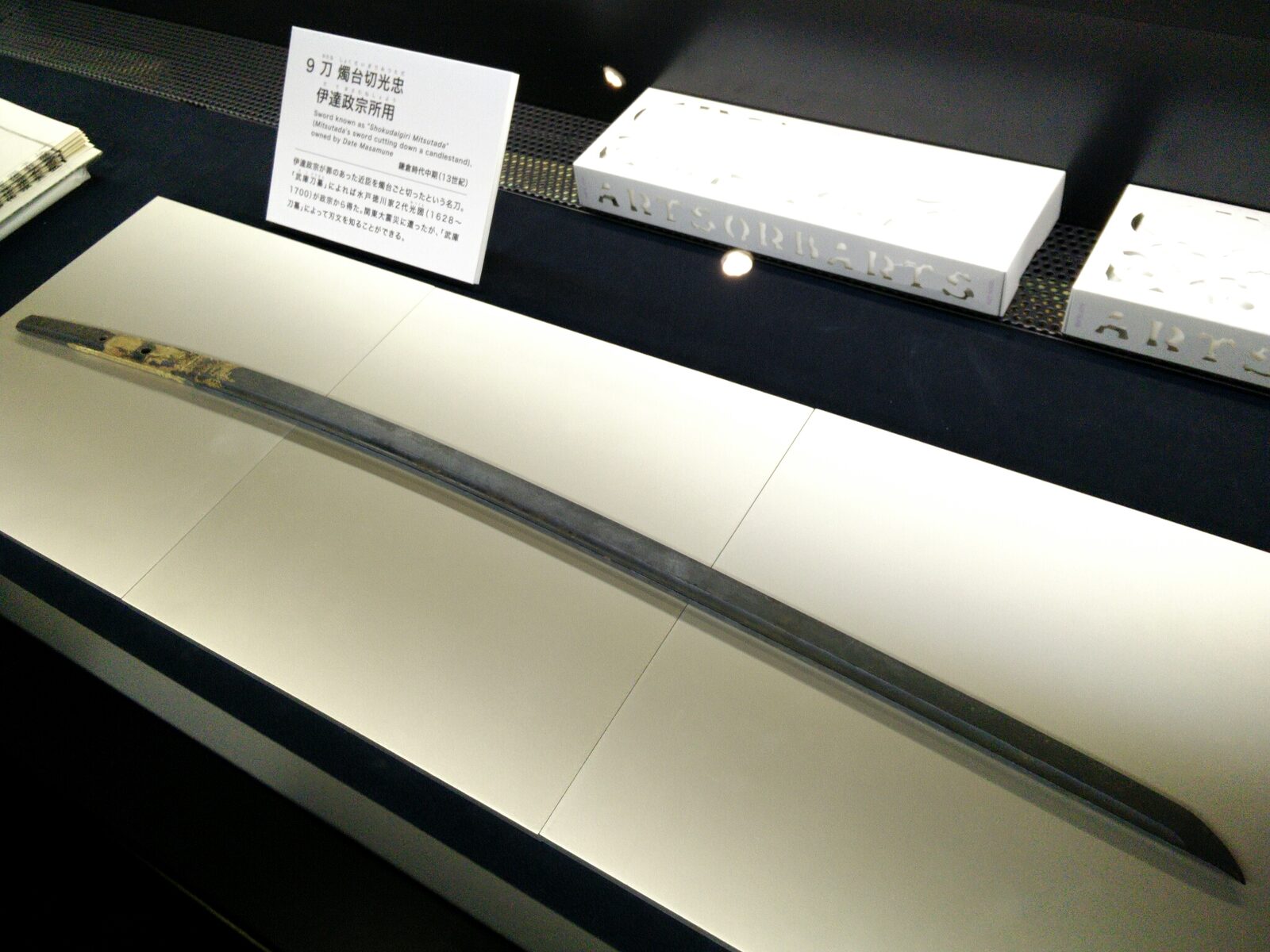 National Treasures · Ikoma · Shokudaikiri
Famous works
His National Treasures and Important Cultural Properties, the Ikoma Mitsutada and the Shokudaikiri, burnt in 1923.
-
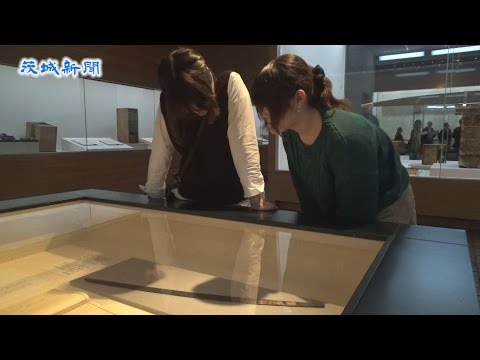 Press · Osafune today
Videos
The Shokudaikiri in Mito, in the local press, and the Osafune tradition told by the Setouchi city council and Okayama Prefecture.
-
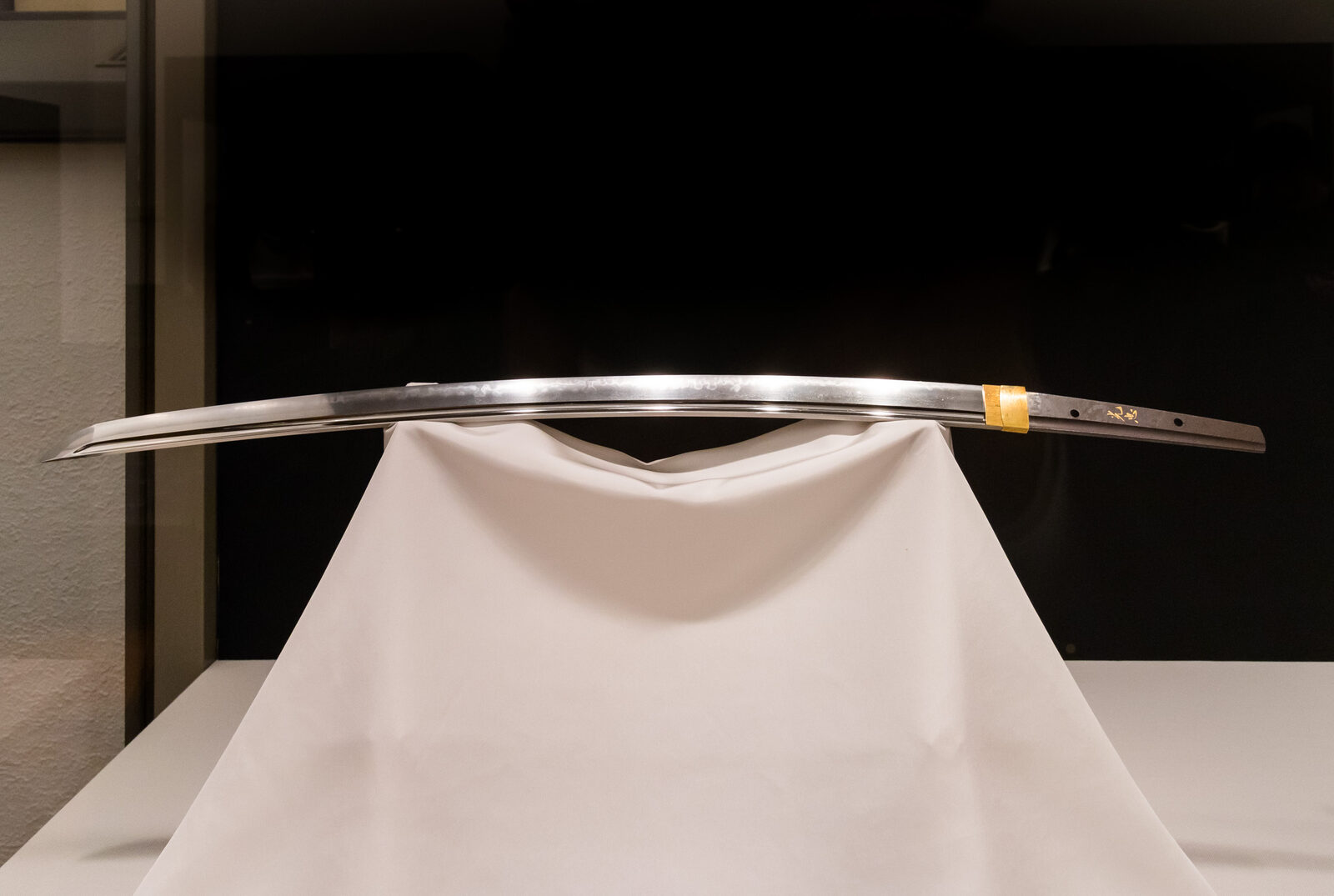 Bibliography and credits
Sources
The sources consulted on 4 October 2026, with their links, and the credit for each image.