On this page
Style
He works in the five traditions (五箇伝, gokaden): Yamashiro, Yamato, Bizen, Sōshū and Mino. Tōmi city council gives him a representative work in each: in Bizen, the tachi of the 1993 Takamatsu-no-miya prize and the tantō of the Masamune Prize; in Sōshū, the 2024 and 2025 tachi for the 現代刀職展 (Gendai Tōshokuten); in Mino, a 2005 katana and the 2009 tachi.
In his maturity, according to nippon.com and to him, he works with no fixed school, between Bizen and Sōshū, with a passion for a jigane with the air of Kamakura and Nanbokuchō. For him, an art sword is judged by its iron, its hamon and its shape; and in a copy what matters is to reproduce the atmosphere, the utsuri (映り, utsuri), erasing the artist’s self.
In the NBTHK lists he signs 法廣 (Norihiro) and, on his works in the old style, 以銑卸法廣 (zuku o motte orosu Norihiro) with kaō, which the 2025 English catalogue reads “Zuku wo Motte Orosu”. 銑 (zuku) is pig iron: the signature says that the blade comes from an iron refined by the smith himself.
Reconstructions (復元模造, fukugen mozō)
- From 2016 to 2018, the 燭台切光忠 (Shokudaikiri Mitsutada) for the Tokugawa Museum in Mito: the Tokugawa sword that burned in the Kantō earthquake. His copy was displayed alongside the burned original.
- In 2018, the 骨喰藤四郎 (Honebami Tōshirō), displayed that year at the Kyoto National Museum.
- In 2011, the Inariyama sword (National Treasure) for the Saitama prefectural museum; in 2012, at the request of a museum, the iron sword from the Eta-Funayama burial mound.
- From 2015 to 2019, the Nikkō Ichimonji (National Treasure); in 2021, a Kunitoshi (National Treasure) for the Futarasan shrine; from 2023 to 2024, the Ryū Masamune tantō for the Tokugawa Museum.
The tōsu of the Shōsōin
He says he is the only swordsmith who makes the Tenpyō-era tōsu (刀子, tōsu) entirely, from the blade to the decoration, with bachiru (dyed and engraved ivory) and metals. That led him to reconstruct, at the request of the Imperial Household Agency, two tōsu of the 正倉院 (Shōsōin), in 2009 and 2010, and to study the iron and the hardening.
Gallery
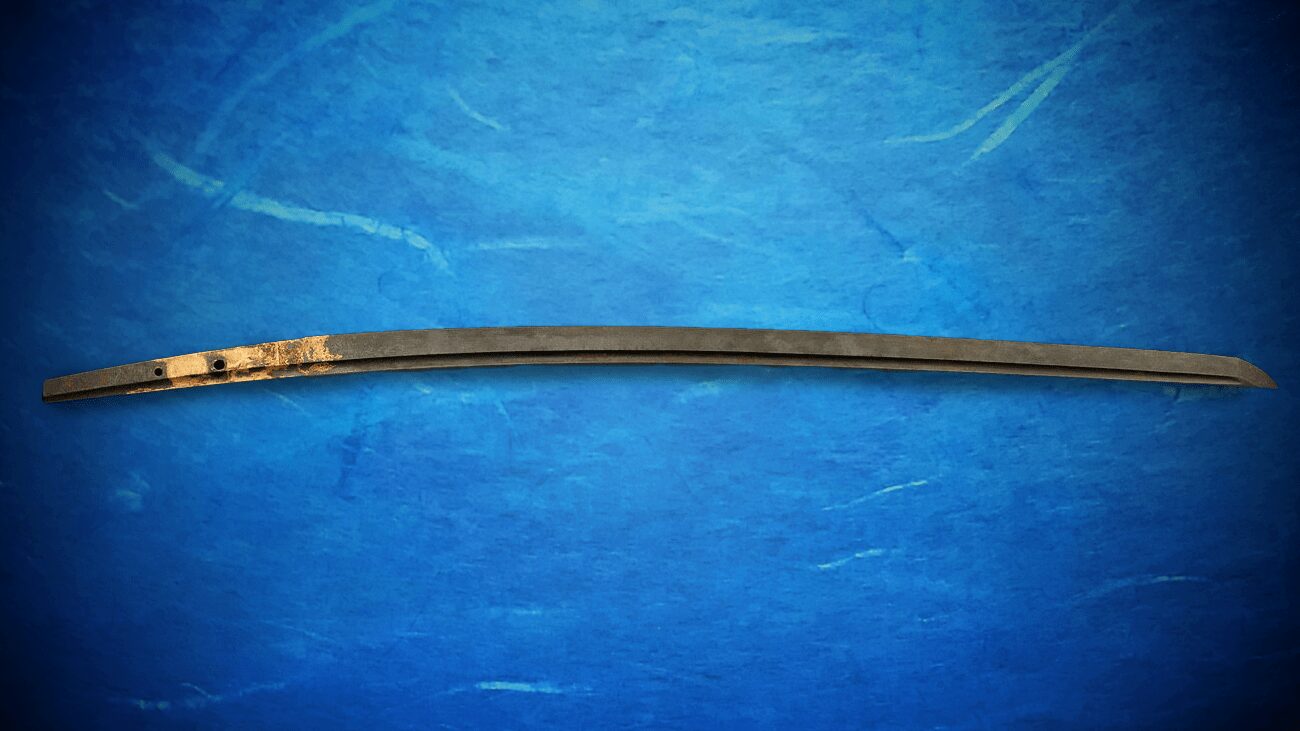
The reconstruction of the Shokudaikiri Mitsutada (燭台切光忠, Shokudaikiri Mitsutada). Photo: the smith himself 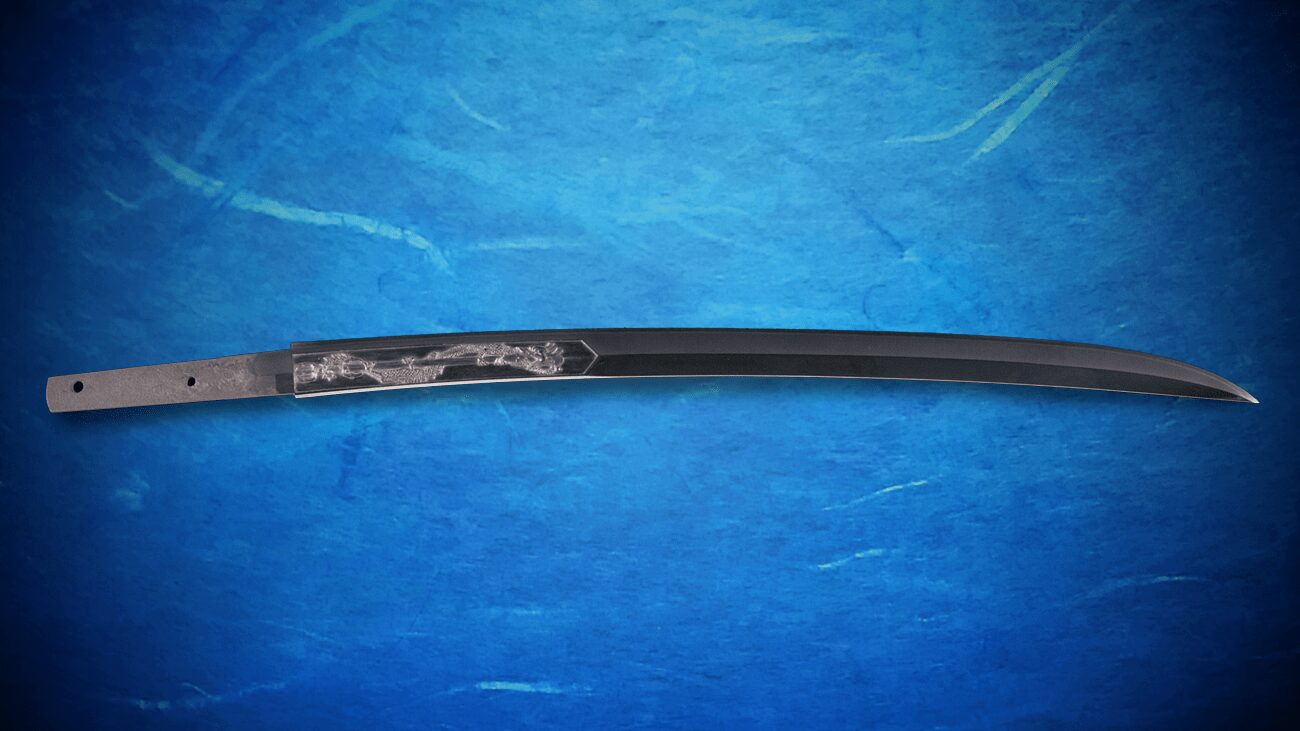
The reconstruction of the Honebami Tōshirō (骨喰藤四郎, Honebami Tōshirō). Photo: the smith himself 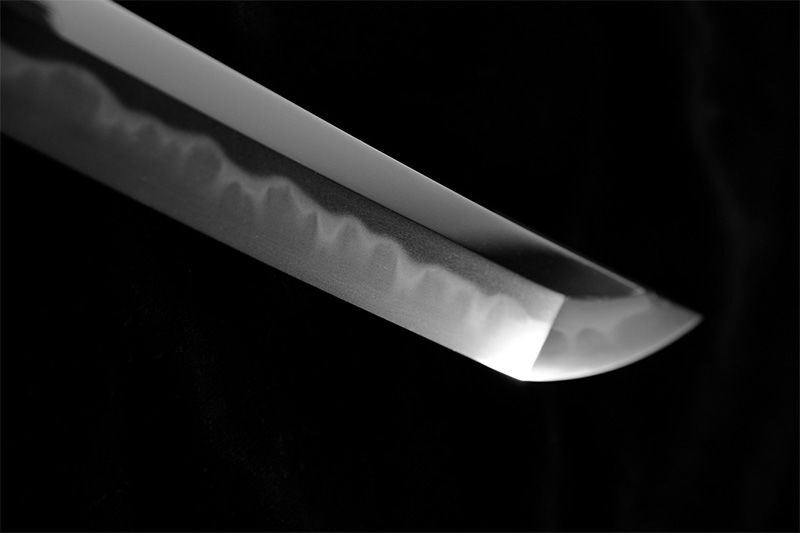
The point of one of his blades. Photo: Kimura Naoto (nippon.com) · © nippon.com · source 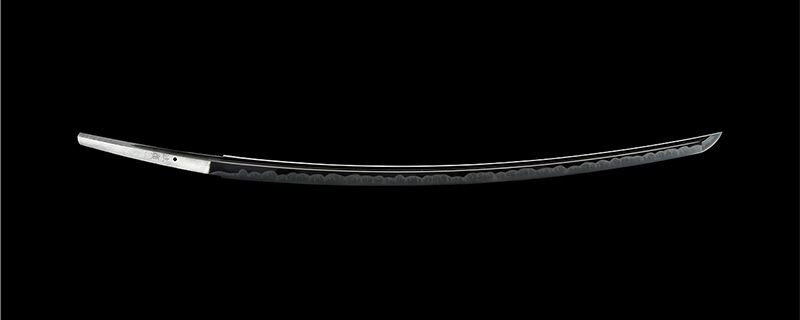
One of his tachi, whole. Photo: Kimura Naoto (nippon.com) · © nippon.com · source 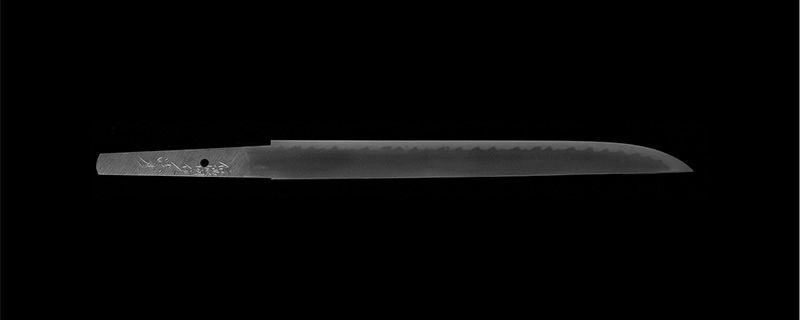
One of his tantō. Photo: Kimura Naoto (nippon.com) · © nippon.com · source 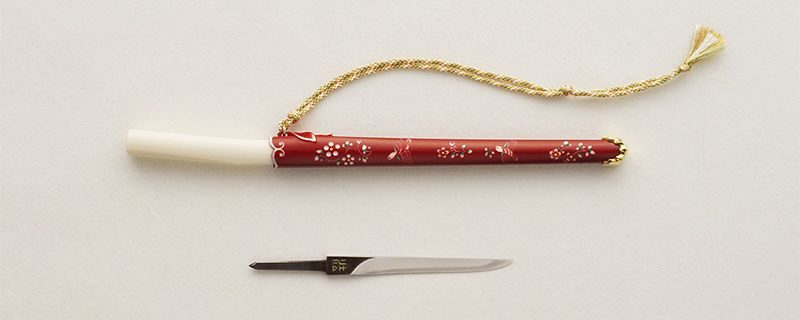
A tōsu (刀子, tōsu) in the manner of the Shōsōin. Photo: Kimura Naoto (nippon.com) · © nippon.com · source 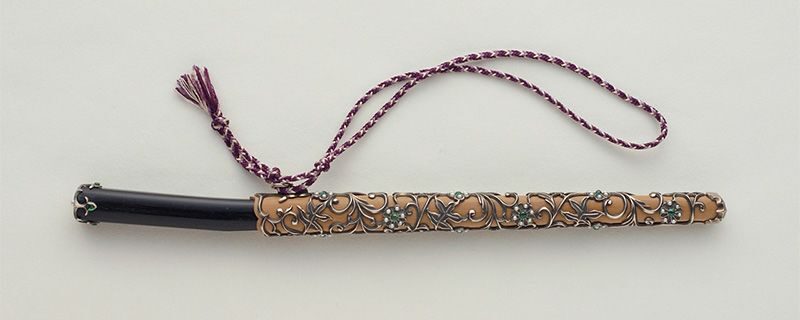
A tōsu with a decorated scabbard. Photo: Kimura Naoto (nippon.com) · © nippon.com · source 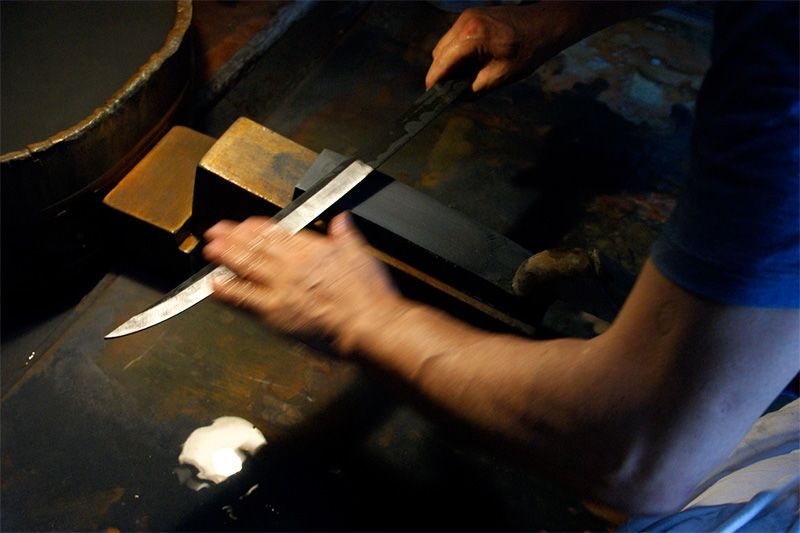
Working a small blade. Photo: Kimura Naoto (nippon.com) · © nippon.com · source
Works in the NBTHK catalogues
- Tachi signed 法廣 (Norihiro), of 2009: 70.1 cm, sori 1.6 cm, polished by 熊井光徹 (Kumai Kōtetsu). With it he won the grand prize (名工大賞, Meikō Taishō) of the Heisei no Meitō Meikōten exhibition (2019), in whose catalogue it is no. 3. Tōmi city council gives it as his work in the Mino tradition.
- His works in the NBTHK catalogues: a 71.8 cm tachi at the 2017 新作名刀展 (Shinsaku Meitōten) and, at the 現代刀職展 (Gendai Tōshokuten), a kodachi of 55.2 cm (2019), a katana of 72.7 cm (2020), tachi of 69.5 cm (2021), of 73.6 cm (2022 and 2023), of 72.1 cm (2024), of 73.6 cm (2025) and of 77.9 cm (2026).