
On this page
Quick profile
- Name
- Tadayoshi (忠吉) until 1624 and Tadahiro (忠広) from then on AT
- Kanji and reading
- 武蔵大掾忠広 (Musashi Daijō Tadahiro) HD
- Period
- Momoyama and early Edo; from 1572 to 1632 AT
- Province
- Hizen (肥前, Hizen), in Saga HD
- School
- Founder of the Hizen swordsmiths, whose swords are called 肥前刀 (Hizen-tō) AT
- Master
- 埋忠明寿 (Umetada Myōju), as the inscription on his 1629 katana says; in Kyoto and from 1596, according to the record of the Chōkokan Museum on Bunka Isan Online. Earlier, according to Japanese Wikipedia, 田貫善兵衛 (Tanuki Zenbei), swordsmith to Katō Kiyomasa. AT
- Title
- 武蔵大掾 (Musashi Daijō), in 1624: Genna 10 for Japanese Wikipedia and Kan'ei 1 for Bunka Isan Online, which is the same year HD
- Generations
- He is the first of the nine of the line of the Hizen Tadayoshi AT
- Cutting rank
- 最上大業物 (saijō ō-wazamono), the first of four grades, in the 懐宝剣尺 (Kaihō Kenjaku) of 1797 AT
- Documented fact and tradition
- His title, his apprenticeship with Myōju and his dated blades are given by his own signatures and by the museums’ records. His childhood, his first master and the role of the Nabeshima in his journey to Kyoto are told by Japanese Wikipedia and Kotobank. AT
In short
What we know. That he signed Tadayoshi until 1624 and Musashi Daijō Tadahiro afterwards; that in 1629 he wrote on a tang “this Tadahiro is a pupil of Umetada Myōju”; that one katana of his is an Important Art Object and another a cultural property of Saga prefecture. And that the Yamada cutting list places him among the twelve saijō ō-wazamono.
How we know it. From the records of the Tokyo National Museum, the Kyūshū National Museum and Bunka Isan Online, and from the NBTHK Sword Journal. His life, from Japanese Wikipedia and Kotobank.
What we do not know. Whether the second Tadahiro was his eldest or his youngest son: the sources do not agree. No blade of his designated an Important Cultural Property or a National Treasure has been found.
Sections
-
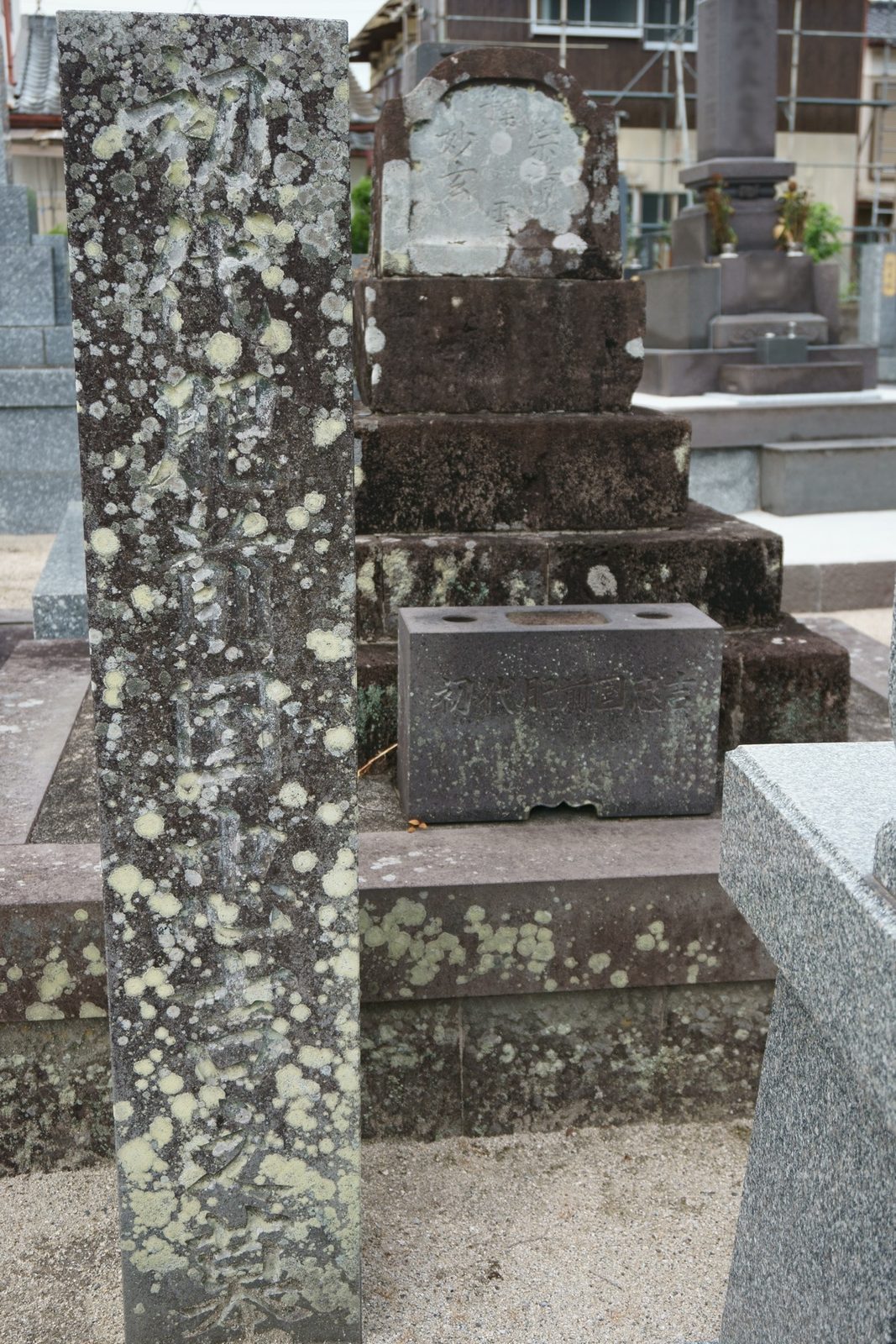 Saga · Kyoto · the Nabeshima
Life and times
His family, his apprenticeship in Kyoto, the title of 1624, his signatures by period, his death and the generations that followed him.
-
 Konuka-hada · suguha of nie
Work and style
The kantei keys of the school, what is particular to the first and how to tell him from the following generations.
-
 Saijō ō-wazamono · blades in museums
Famous works
His rank in the cutting list, the katana of 1629, the Nabeshima katana of 1630 and his blades in museums.
-
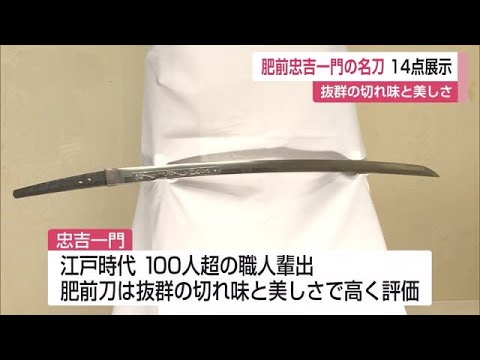 Exhibitions in Saga
Videos
Two reports by Saga television on exhibitions of Hizen swords.
-
 Bibliography and credits
Sources
The sources consulted on 4 October 2026, with their link where possible, and the credit for each image.