On this page
Quick profile
- Name
- Norishige; Saeki Norishige; also Kureha-gō, Gofuku or Etchū Norishige AT
- Kanji and reading
- 則重 (Norishige) · 佐伯則重 (Saeki Norishige) · 越中国佐伯則重 (Etchū-no-kuni Saeki Norishige), his long signature HD
- Period
- Late Kamakura: blades dated from 1314 to the Karyaku era (1326–1328) HD
- Province
- Etchū (越中, Etchū): Kureha-gō, also read Gofuku-gō, in the Nei district (婦負郡, Nei-gun), today the Gofuku neighbourhood of Toyama AT
- School
- Sōshū-den (相州伝, Sōshū-den), with more Yamato flavour than Masamune AT
- Master
- By dates and style, Shintōgo Kunimitsu (新藤五国光, Shintōgo Kunimitsu); two old treatises make him a pupil of Masamune (正宗, Masamune). AT
- Documented fact and tradition
- Documented: his blades dated from 1314 to 1328, and the Nihon-ichi tantō, a National Treasure. Tradition: that he was one of Masamune’s ten pupils and Gō Yoshihiro’s master. HD
In short
What we know. He signed blades dated from 1314 to 1328, two of them with the surname Saeki, and his Nihon-ichi tantō is a National Treasure. The NBTHK considers it settled that he was a pupil somewhat older than Masamune.
How we know it. From three issues of the NBTHK Sword Journal, above all no. 794 (2023), devoted to the Nihon-ichi, and from the official record of the Agency for Cultural Affairs; and from the Japanese Wikipedia, Kotobank and Markus Sesko.
What we do not know. The official records of several of his designated works, the whereabouts of some, and whether any blade of his appears by name in the Kyōhō meibutsuchō.
Sections
-
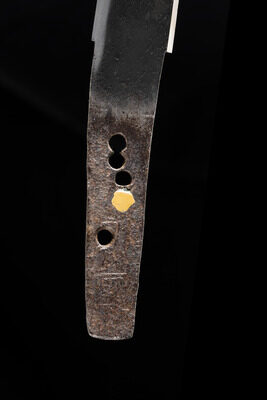 Kureha-gō · Shintōgo · Masamune
Life and times
Where he worked, the dates of his blades, who his master was and the mark he left.
-
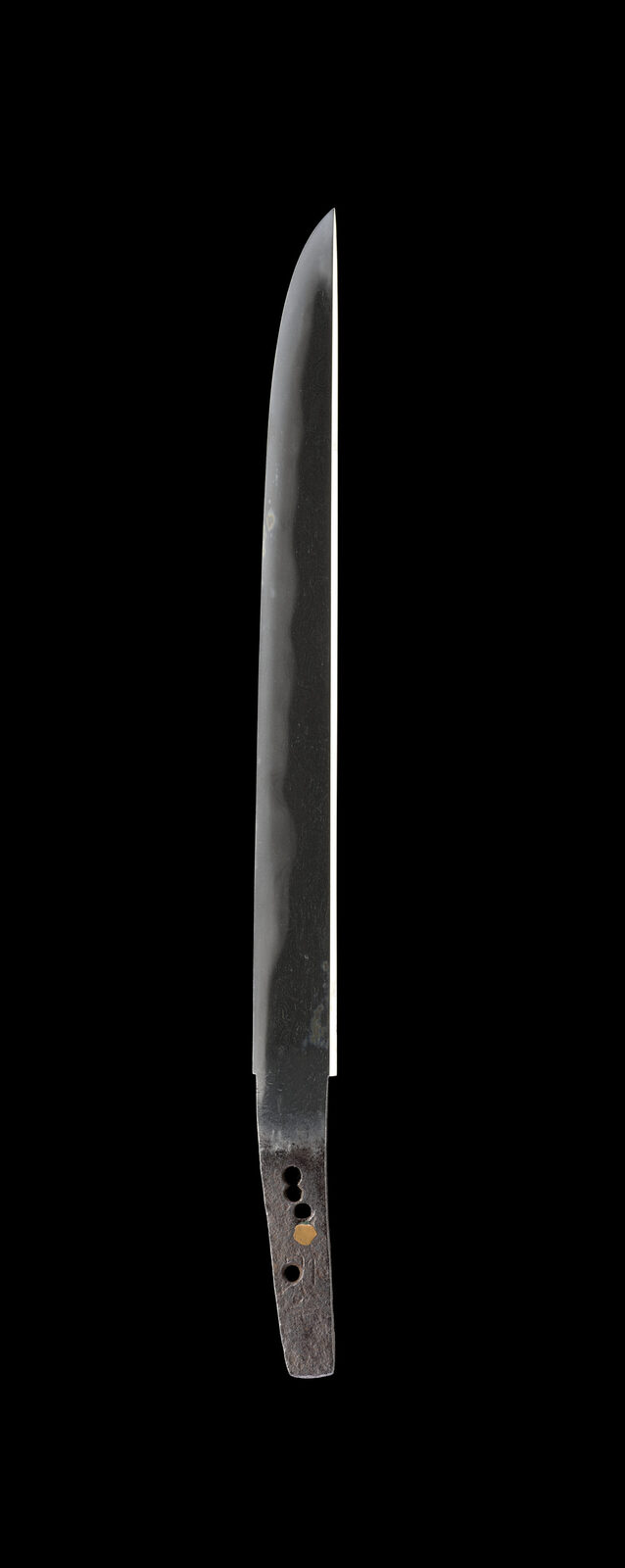 Matsukawa-hada · ko-notare · takenoko-zori
Work and style
His kantei keys, from the sugata to the signature, and whom he is confused with.
-
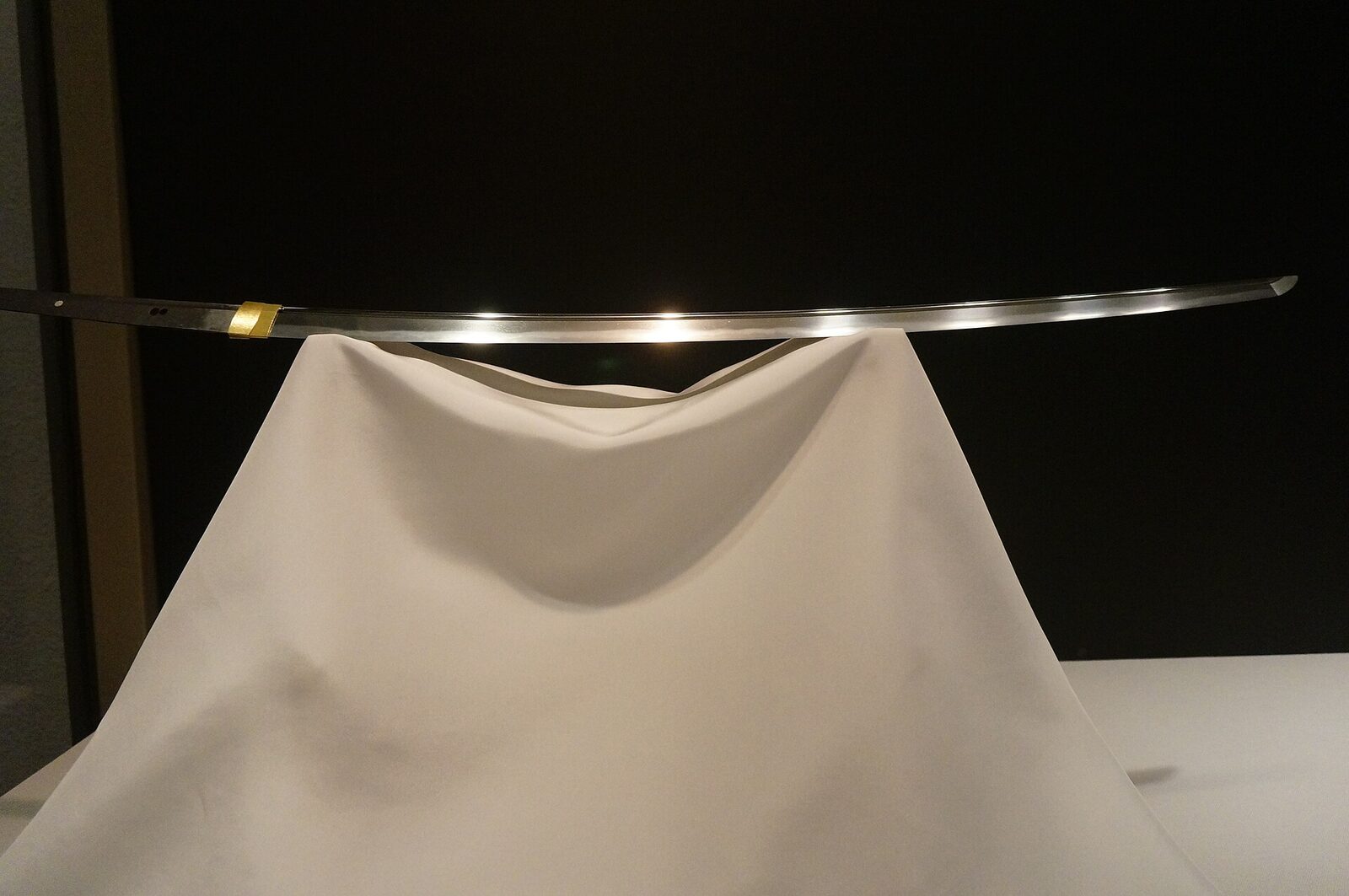 Nihon-ichi · Important Cultural Properties
Famous works
The Nihon-ichi tantō, a National Treasure, his Important Cultural Properties and his place in the lists.
-
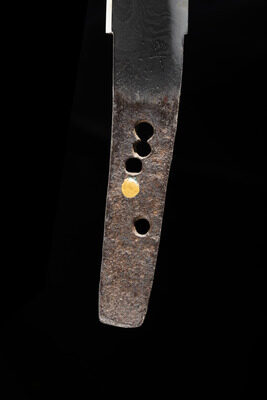 Bibliography and credits
Sources
The sources consulted on 4 October 2026, with their links, and the credit for each image.