On this page
Quick profile
- Name
- Oku Motohira HD
- Kanji and reading
- 奥元平 (Oku Motohira); with his title, 奥大和守平朝臣元平 (Oku Yamato no Kami Taira no Ason Motohira) HD
- Period
- End of the Edo period and beginning of Meiji (shinshintō) AT
- Province
- Satsuma (薩摩), today Kagoshima HD
- School
- Satsuma shinshintō, in the service of the Shimazu domain AT
- Master
- For the first, none is recorded; the second trained under Motoyasu (元安), the second of that name AT
- Title
- Yamato no Kami (大和守), granted to the first in the twelfth month of Kansei 1 (1789) HD
- Generations
- From their ancestor Tadakiyo (忠清), the second Motohira is the 7th; between the two Motohira, Motohiro (元寛), who died in 1843 AT
- Rank
- For the NBTHK, one of the two finest masters of Satsuma shinshintō, with Hōki no Kami Masayuki AT
- Documented fact and tradition
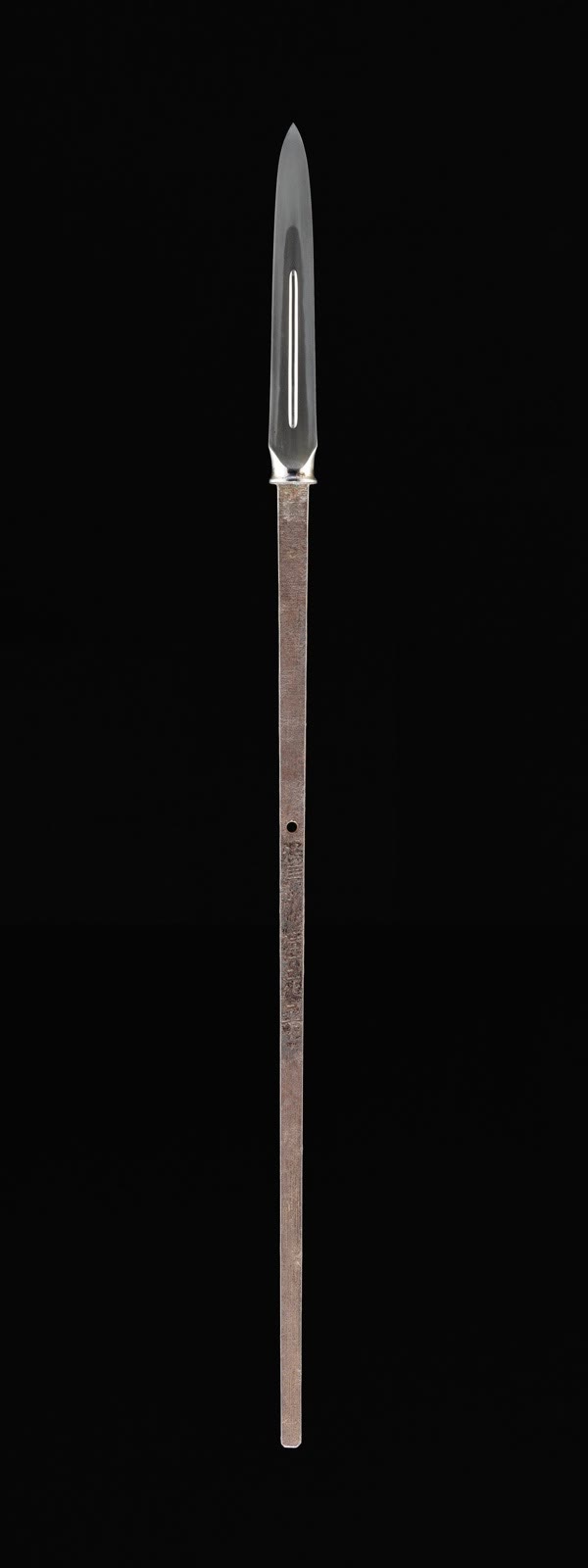
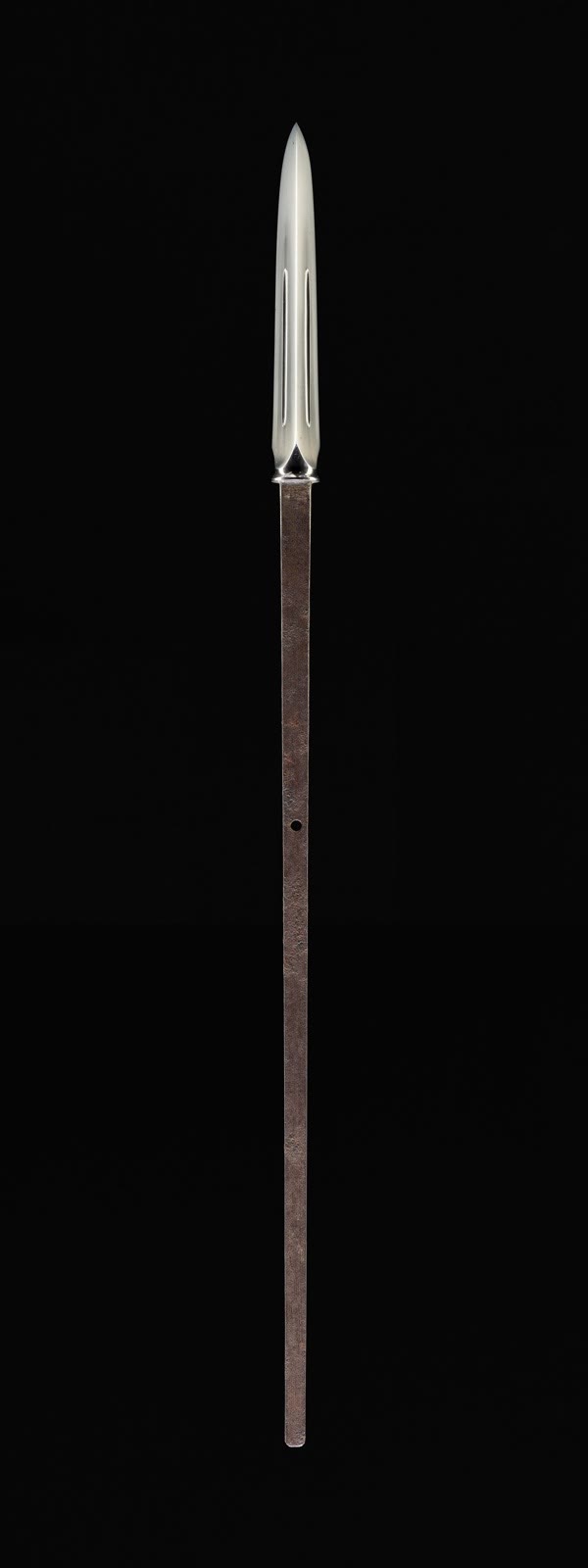
- Documented: a spear in the Kyūshū National Museum signed 薩州住元平 (Satsushū jū Motohira) and a katana of 1796 in the Tokyo National Museum. Tradition: the robust Satsuma style is usually attributed to the Jigen-ryū (示現流) school of swordsmanship. HD
In short
The Oku forged for the Shimazu for more than two centuries. The first Motohira, with Hōki no Kami Masayuki, made Satsuma shinshintō famous: wide, heavy blades, with strong nie and a wide nioiguchi. Few blades by the second are known, among them two katana made from the steel of a Chinese howitzer captured in 1895. The sources do not agree on the kinship: the Kyūshū National Museum speaks of a son of the same name and Sesko, of a grandson.
Sections
-
 Two centuries in the service of the Shimazu
Life and times
The Oku family, the first Motohira and his title, and the second.
-
 Kantei keys
Work and style
Sugata, jihada, hamon, bōshi, signatures and how to tell him from Masayuki.
-
Museums of Kyūshū and Tokyo · the steel of a howitzer
Famous works
Their works in museums, the katana for his student and those from the Weihaiwei howitzer.
- Bibliography and credits Sources The sources consulted on 5 October 2026, with their link, and the credit for each image.