On this page
Quick profile
- Name
- Ōno Yoshimitsu HD
- Kanji and reading
- 大野義光 (Ōno Yoshimitsu) HD
- Birth
- 1948, in 黒埼町 (Kurosaki-machi), today the city of Niigata, in the old province of Echigo AT
- Where he forges
- Tokyo: Takasago, in Katsushika ward; earlier, in Niigata and in Okayama AT
- Master
- 吉原義人 (Yoshihara Yoshindo), from 1969 to 1976 AT
- School or tradition
- Bizen-den: the jūka-chōji of the mid-Kamakura Ichimonji AT
- Licence
- 1975, from the Agency for Cultural Affairs (文化庁, Bunkachō) AT
- Rank
- Mukansa: exhibits without judging in the NBTHK catalogues of 2017 and of 2019 to 2026; the title, since 1987 or 1988 depending on the source HD
In short
What we know. The NBTHK catalogues and lists give him as mukansa, resident in Tokyo, in the editions of 2017 and of 2019 to 2026, and his 1991 tachi is in the catalogue of the 2019 exhibition 平成の名刀・名工展 (Heisei no Meitō Meikōten). The Japanese Wikipedia lists him among the pupils of Yoshihara Yoshindo and as an intangible cultural asset of Katsushika ward (Tokyo) since 2012.
How we know it. His life year by year and his prizes before 2017 are told by him, by Katsushika ward and by the trade press; the official lists of those years are not online.
What we do not know. The exact year of his mukansa (1987 or 1988), the dates of his work for the Ise shrine, which vary from source to source, and his Takamatsu-no-miya prizes, which could not be checked against the NBTHK lists.
Sections
-
 From Niigata to Tokyo
Life and forging
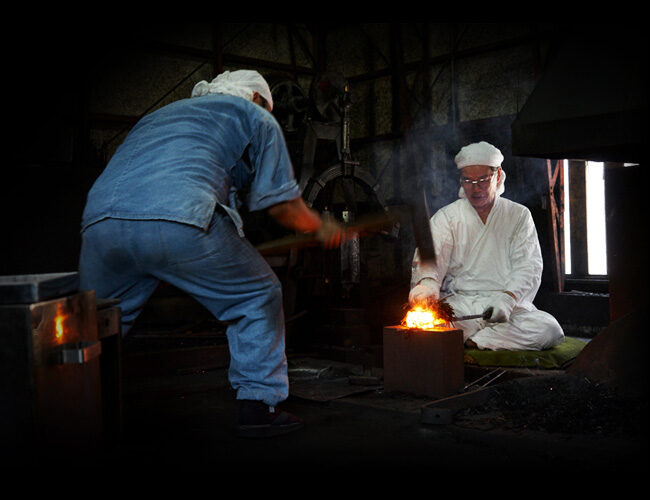
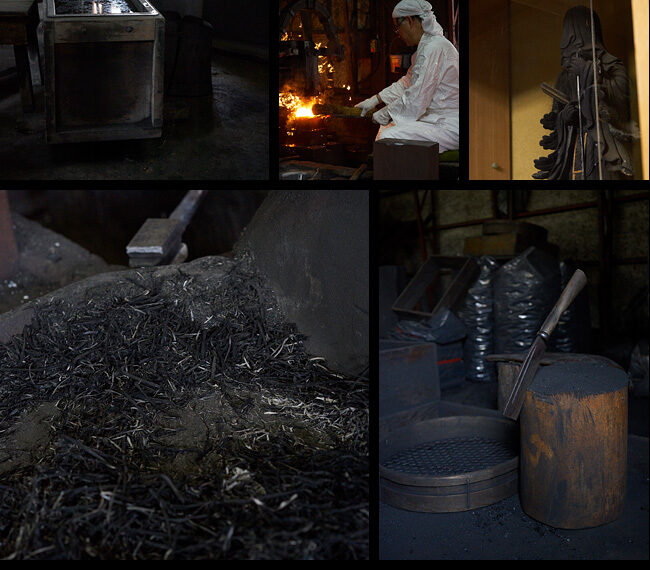
His training with Yoshihara Yoshindo, the licence, his forges in Niigata, Okayama and Tokyo, and what he has done outside the competition.
-
 Jūka-chōji · Sanchōmō · utsushi
Work and style
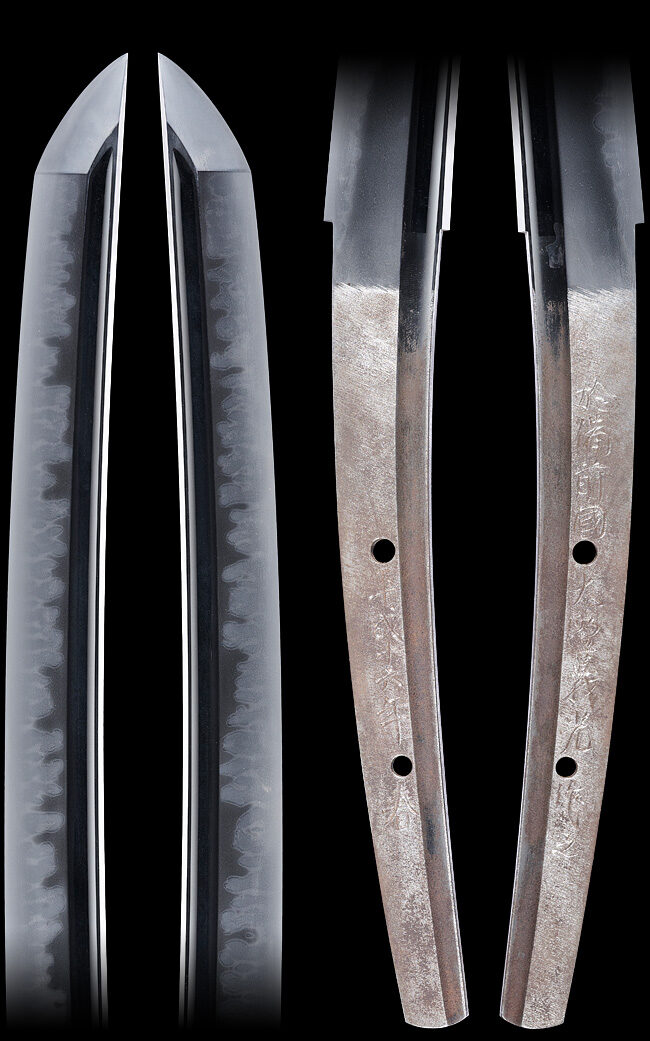
The “Ōno chōji”, his copies of famous swords and a gallery of works from 1986 to 2011.
-
 From the encouragement prize to mukansa
Prizes
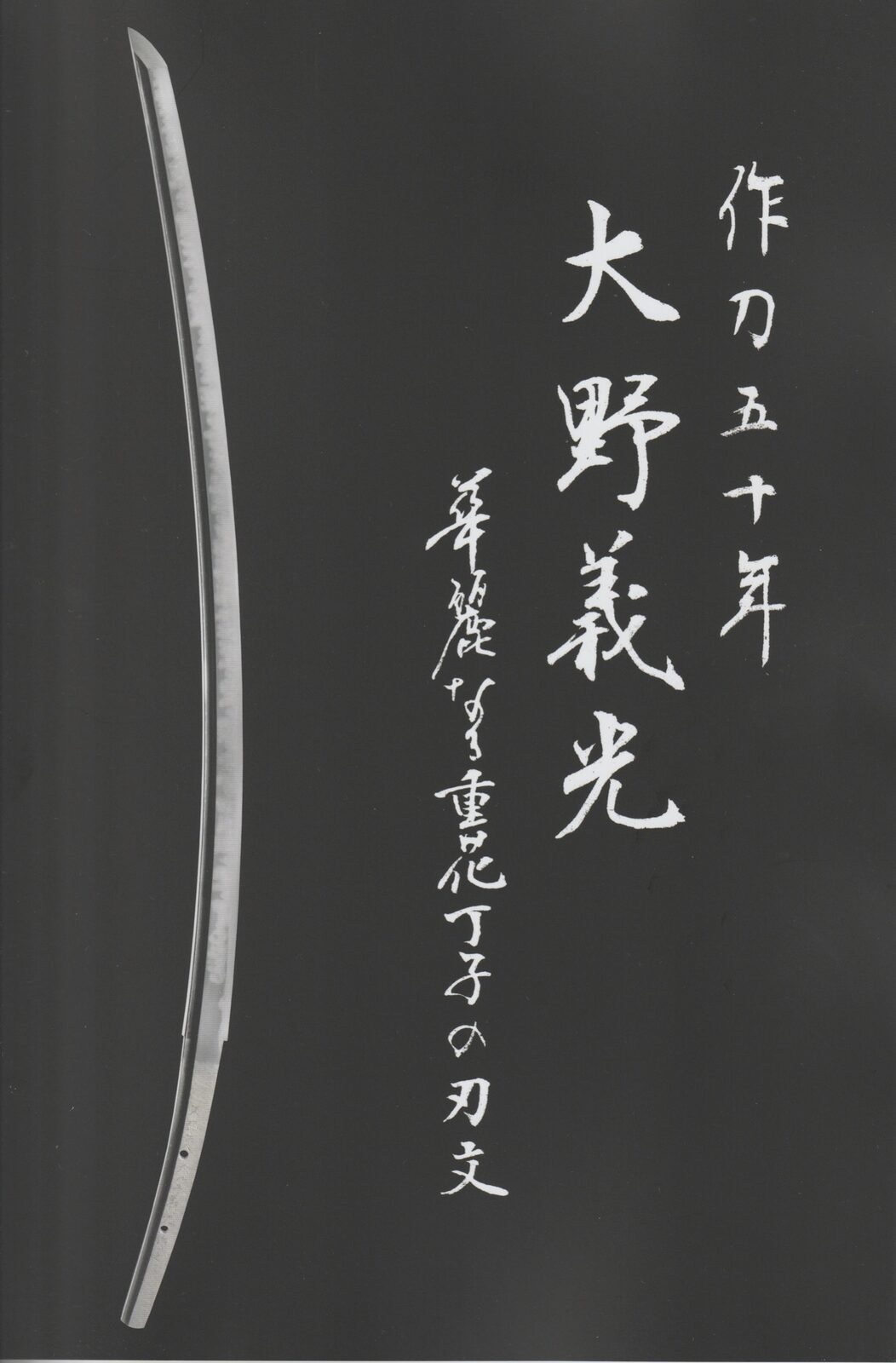
His prizes at the NBTHK new-work exhibition, the mukansa and his appearances in the catalogues of 2017 and of 2019 to 2026.
-
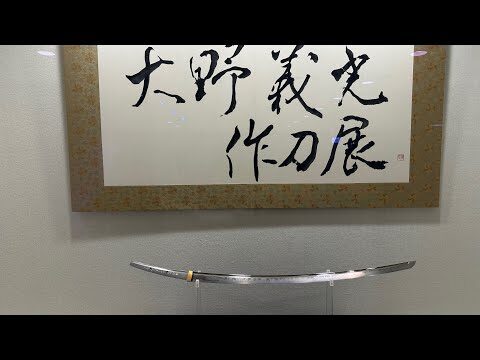 Works on display
Videos
Three videos by visitors: his 2025 exhibition, a 2021 tantō and a saka-chōji wakizashi.
-
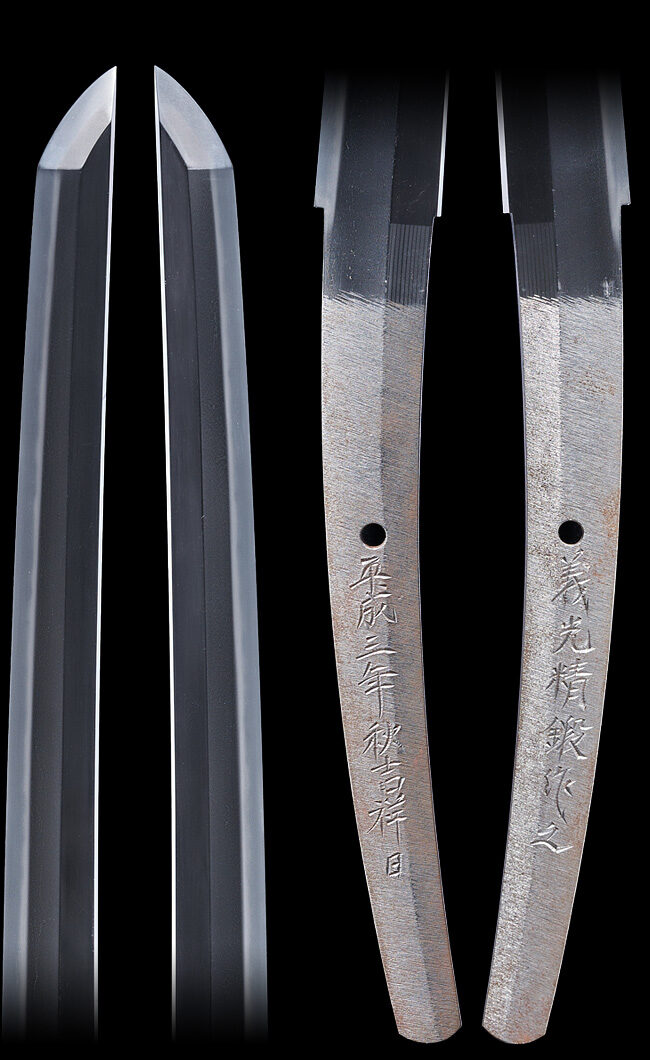 Bibliography and credits
Sources
The sources consulted on 4 October 2026, with their link where possible, and the credit for each image.