
On this page
Quick profile
- Name
- Nagamitsu, of Osafune; in his late work he also signs as 左近将監 (Sakon-no-shōgen) HD
- Kanji and reading
- 長光 (Nagamitsu) · 長船長光 (Osafune Nagamitsu) HD
- Period
- Second half of the Kamakura period: dated work from 1274 (文永十一年, Bun'ei jūichinen). Kotobank places his work between the Bun'ei and Kagen eras (1264–1306), with dated work up to 1304 (嘉元二年, Kagen ninen); the years of his birth and death are not known. HD
- Province
- Bizen (備前, Bizen): Osafune, today in Setouchi, Okayama Prefecture HD
- School
- Osafune (長船派, Osafune-ha), in the Bizen tradition HD
- Master
- His father, 光忠 (Mitsutada), according to tradition AT
- Generations
- Old tradition distinguished two Nagamitsu; today the prevailing view is a single swordsmith with some thirty years of work AT
- Documented fact and tradition
- Documented: his dated blades of 1274 and 1285, and his designated works. From tradition: that he was the son of Mitsutada, the two generations and that 順慶 (Junkei) was his monk’s name. HD
In short
What we know. The NBTHK takes as certain his works dated 1274 (Bun'ei 11) and 1285 (Kōan 8). The one of 1274 is the earliest dated blade of the whole Osafune school. Six of his works are National Treasures, among them the tachi Daihannya Nagamitsu in the Tokyo National Museum.
How we know it. From his signed and dated blades, from the records of the Agency for Cultural Affairs and from the studies of the NBTHK. The list of his designated works comes from the Japanese Wikipedia and Kotobank.
What we do not know. When he was born and when he died; whether there were one, two or three swordsmiths with his name; and how many of his works are Important Cultural Properties: the sources give 28 or 33, and they remain to be counted in the Agency’s register.
Sections
-
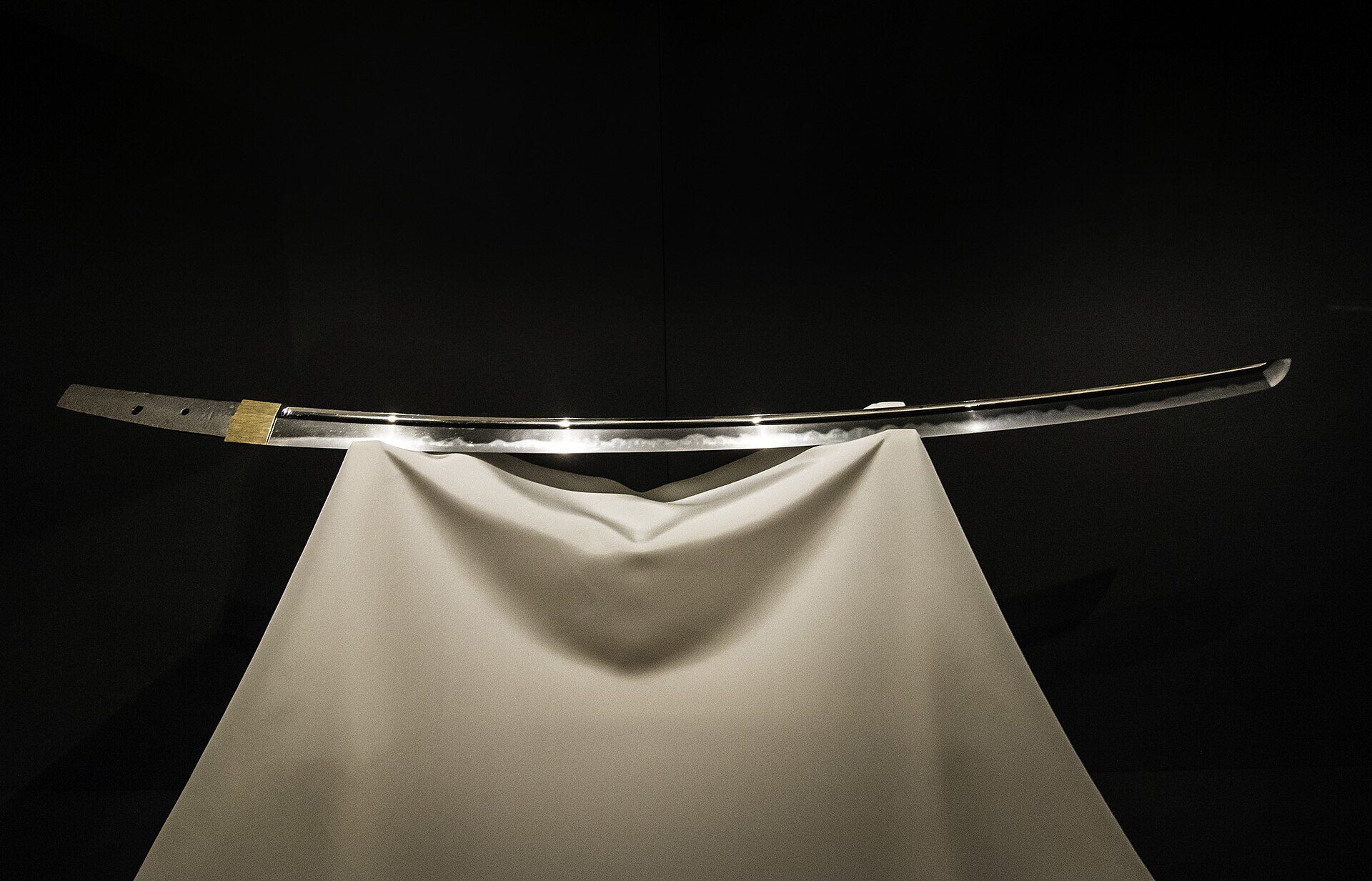 Mitsutada · Osafune · 1274–1304
Life and times
His school, his thirty years of dated work, the question of the two generations and his pupils.
-
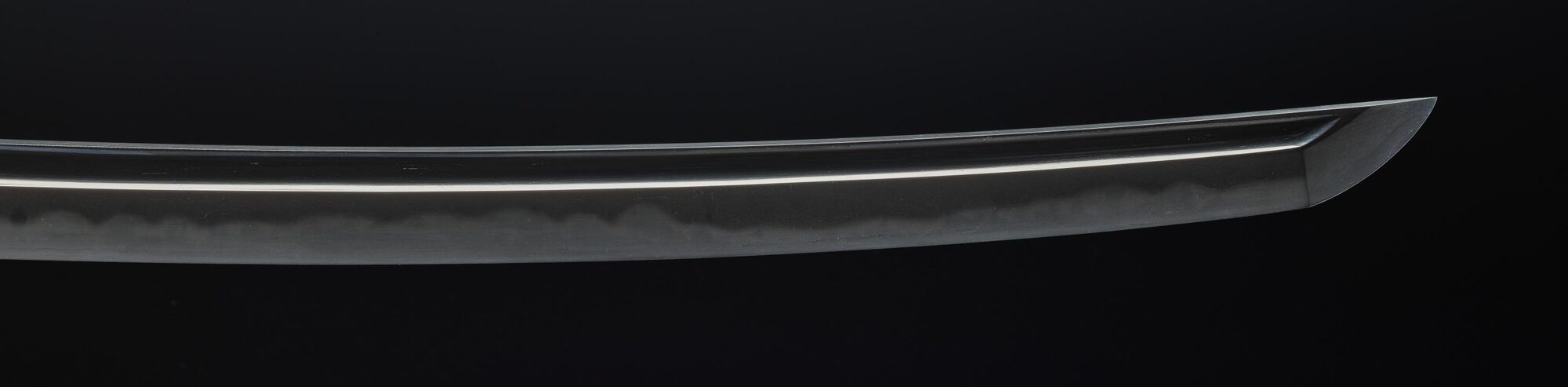 Chōji · suguha · midare-utsuri
Work and style
Kantei keys to his work: the shape, the steel, the temper, the point and the signature.
-
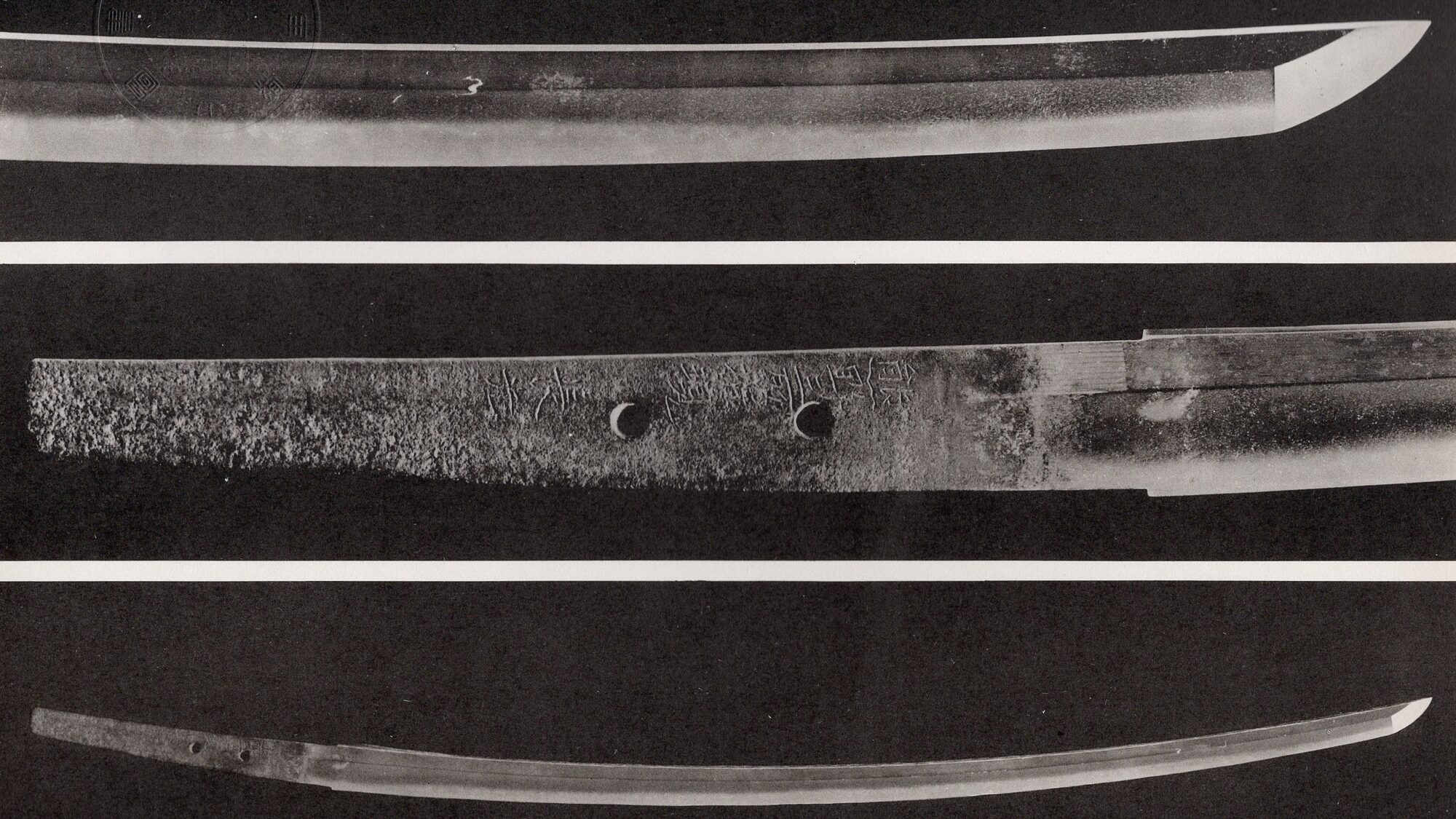 Daihannya · Tōtōmi · Kumano
Famous works
His National Treasures, his Important Cultural Properties and his place in the old lists.
-
 Museums and the city of Setouchi
Videos
His tachi in two museums and the reproduction of the Daihannya Nagamitsu presented by the city of Setouchi.
-
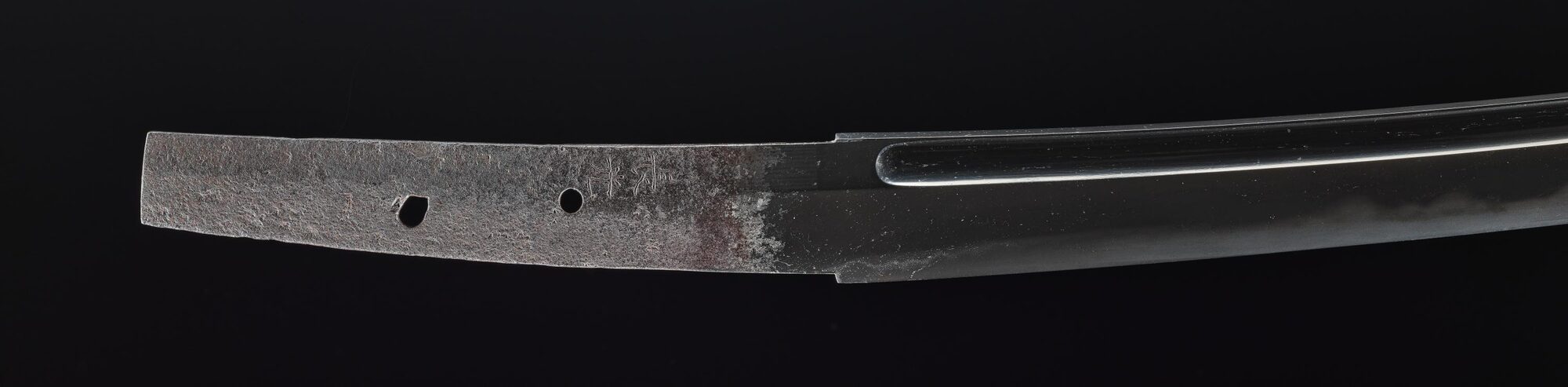 Bibliography and credits
Sources
The sources consulted on 4 October 2026, with their link, and the credit for each image.