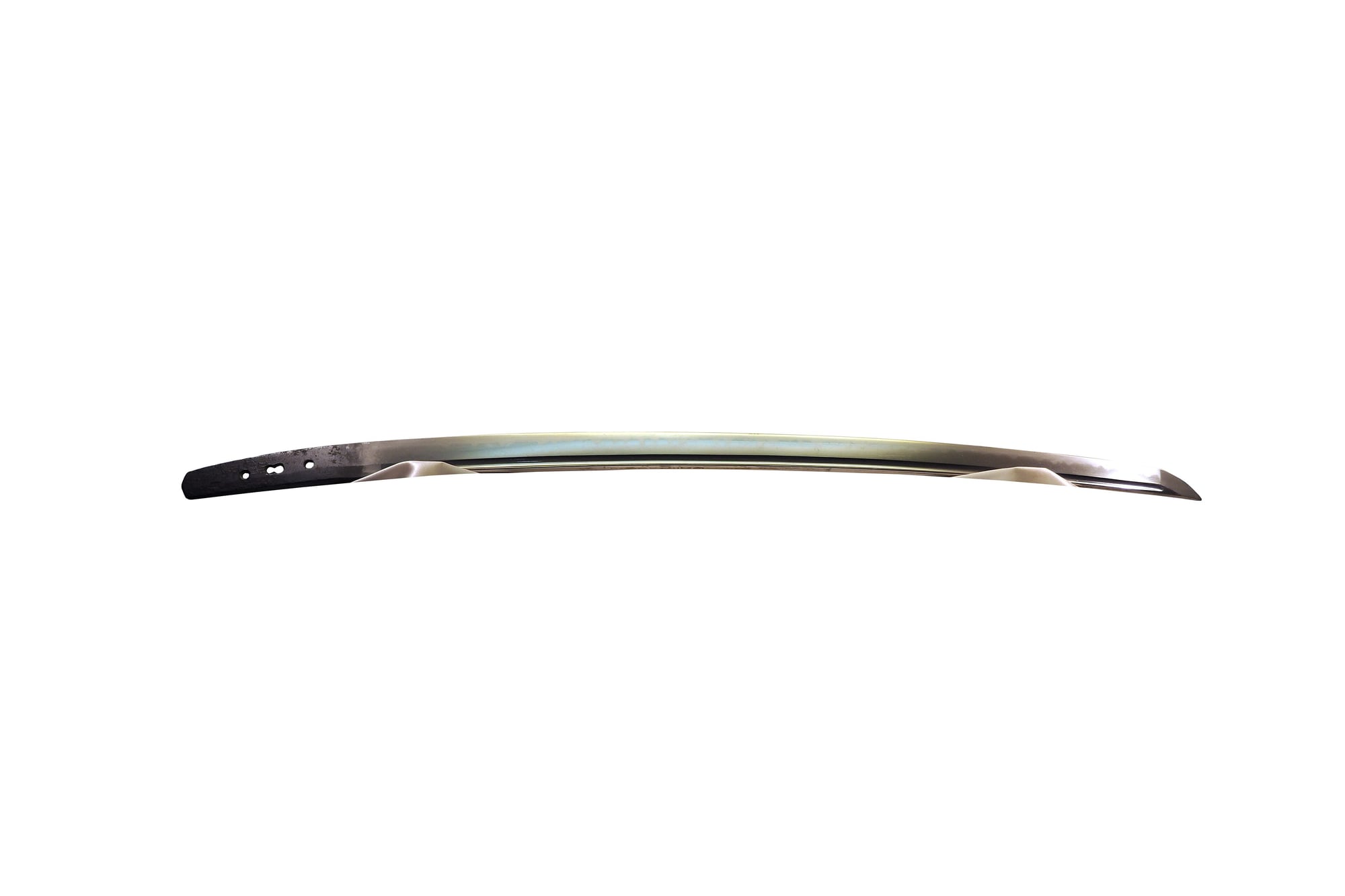
On this page
Quick profile
- Name
- Osafune Yasumitsu; the English version of the Yamada list calls him 左京亮康光 (Sakyō-no-suke Yasumitsu) AT
- Kanji and reading
- 長船康光 (Osafune Yasumitsu) HD
- Period
- Beginning of the Muromachi period, from the Ōei era (1394-1428) to the Eikyō (1429-1441) AT
- Province
- Bizen (備前, Bizen), in Osafune (長船, Osafune) HD
- School
- Osafune (長船派, Osafune-ha), in its Ōei-Bizen stage AT
- Generations
- Two; the second is said to have been Morimitsu’s younger brother AT
- What is documented
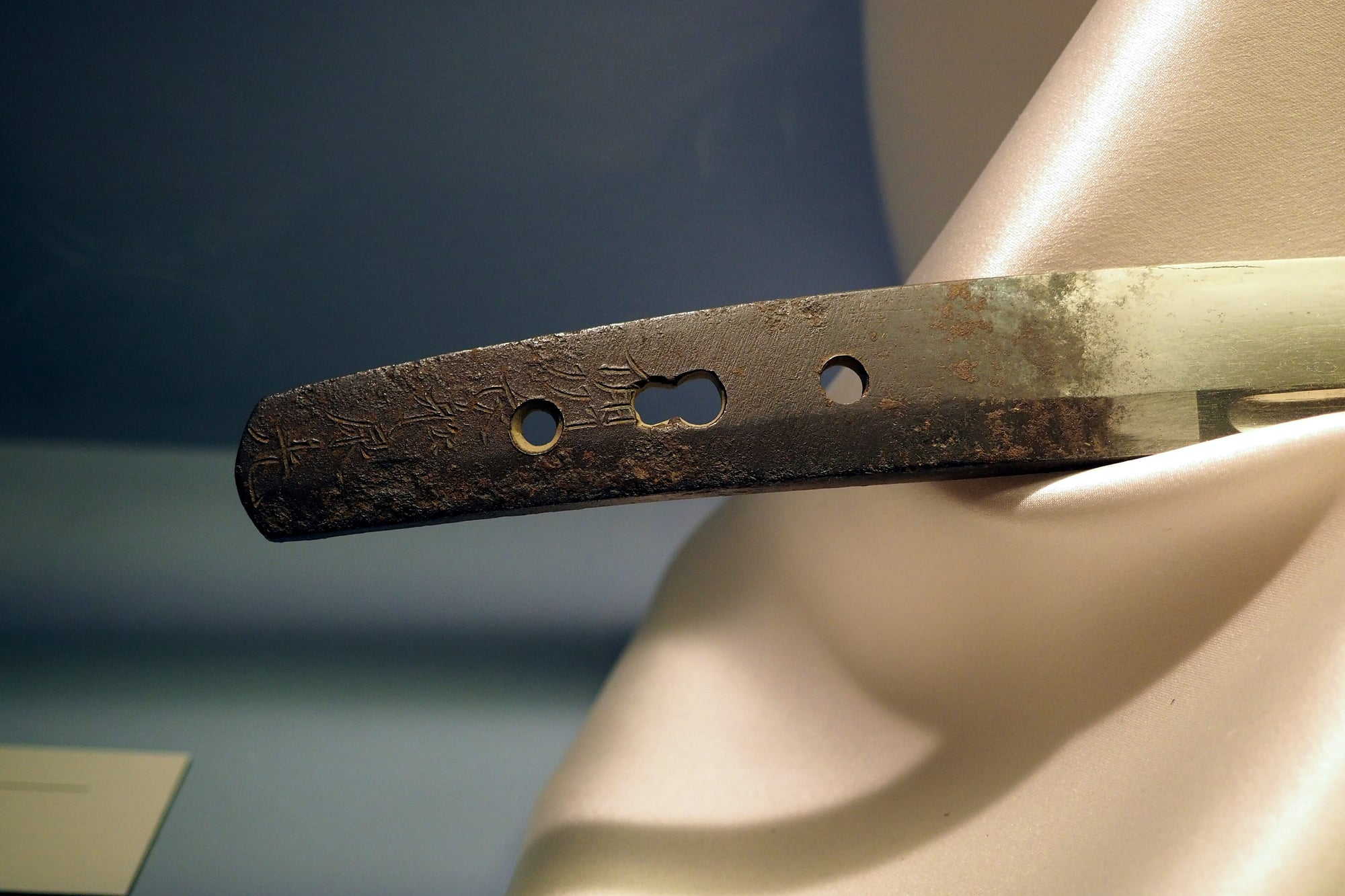
- Blades in museums in Kyoto, Tokyo, New York and Bern; the Kyoto one, signed and dated 1409 HD
- What is not on record
- A published biography, the date of the handover between the two generations and their earlier genealogy PC
In short
Ōei-Bizen is born in the Ōei era, when slender, elegant blades return. The Japanese Wikipedia calls Morimitsu and Yasumitsu, of the same line, the “peerless pair” (双璧, sōheki) of its masters. Both are in the second grade of the Yamada cutting list, that of ō-wazamono. The open sources on the Yasumitsu are few: there is no published biography, and what is known of their style comes mainly from what is written about Ōei-Bizen as a whole.
Sections
-
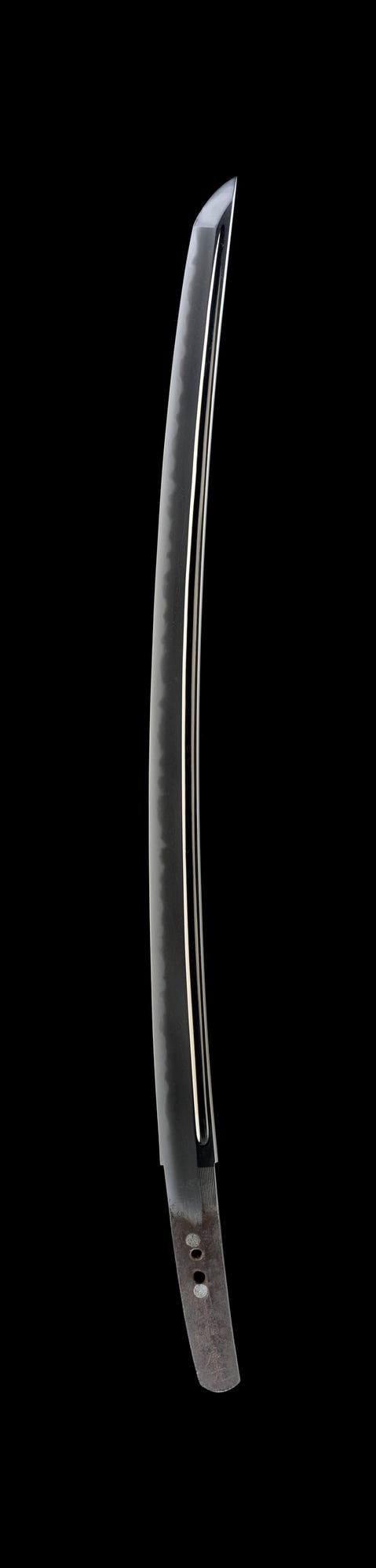 Ōei-Bizen
Life and times
The two generations and the period in which they forged.
-
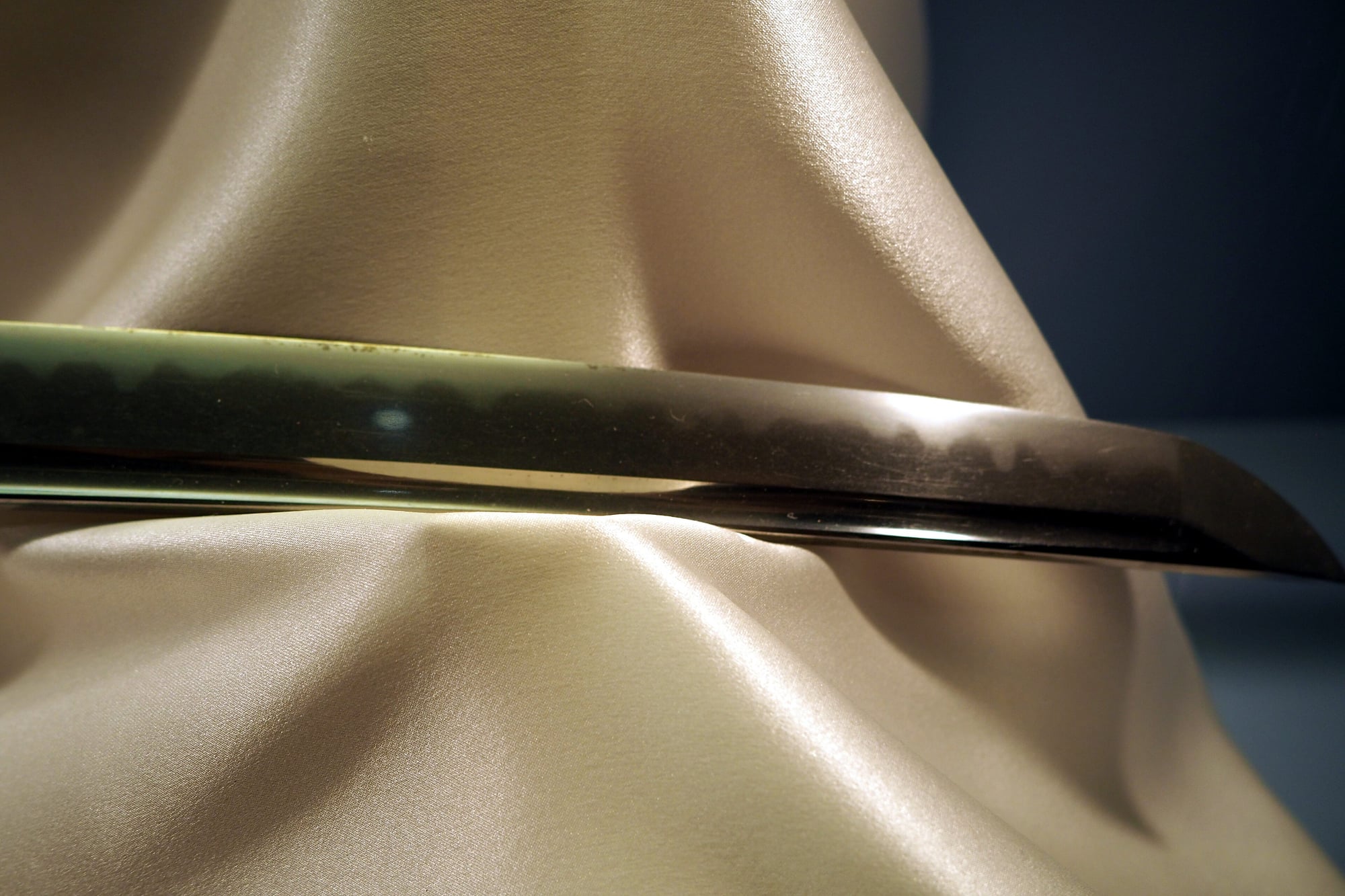 Kantei keys
Work and style
Sugata, jihada, hamon, bōshi, nakago and mei.
-
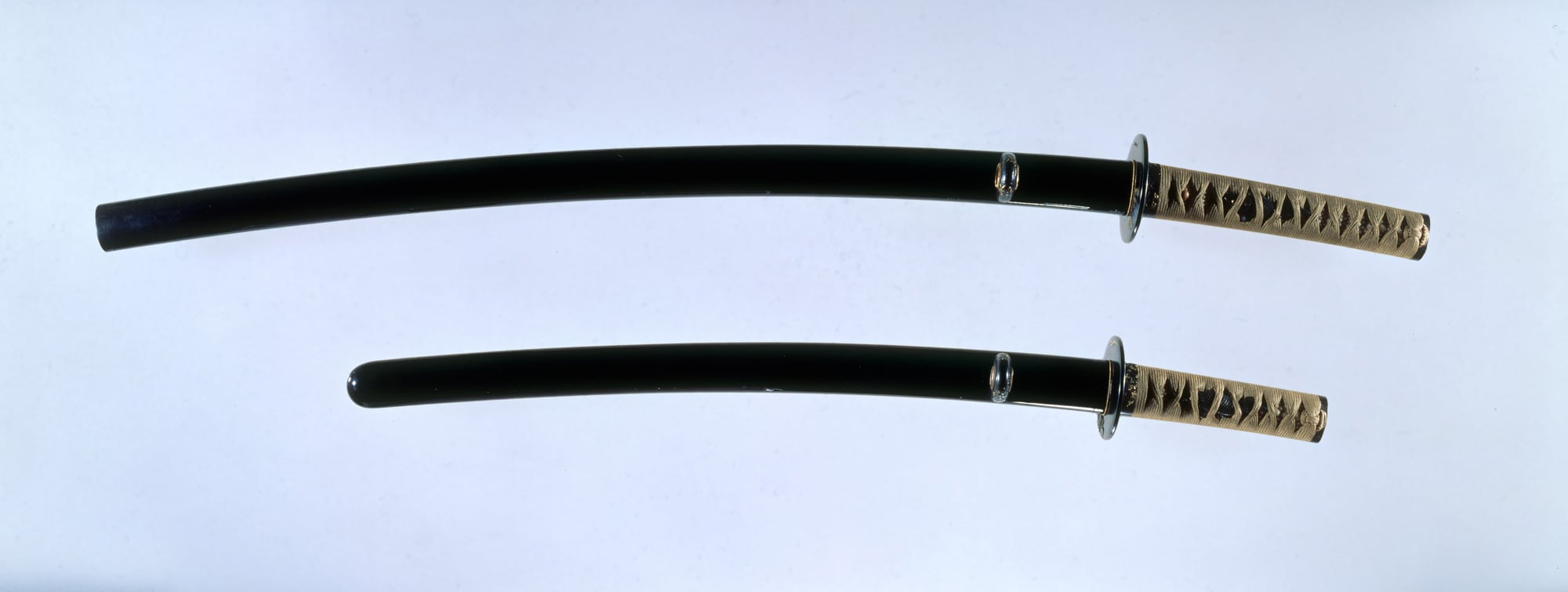 In museums, shrines and lists
Famous works
The documented works and their place in the Yamada cutting list.
-
 Bibliography and credits
Sources
The sources consulted and the image credits.