On this page
Quick profile
- Name
- Rai Kuniyuki; he signed 国行 (Kuniyuki); also known as 来太郎 (Rai Tarō), according to tradition AT
- Kanji and reading
- 来国行 (Rai Kuniyuki) HD
- Period
- Mid-Kamakura; no documented dates of birth or death (生没年未詳, seibotsunen mishō) AT
- Province
- Yamashiro (山城, Yamashiro), in Kyoto AT
- School
- Rai (来派, Rai-ha), of the Yamashiro tradition: its founder in practice AT
- Lineage
- Son of Kuniyoshi (国吉, Kuniyoshi), according to tradition; father of Rai Kunitoshi (来国俊, Rai Kunitoshi) AT
- What is documented
- Many signed blades, among them a National Treasure designated in 1953 HD
- The tradition
- That the school descends from immigrants from Korea, that Kuniyoshi founded it and that he died in 1297 aged 79: all of it comes from later books AT
In short
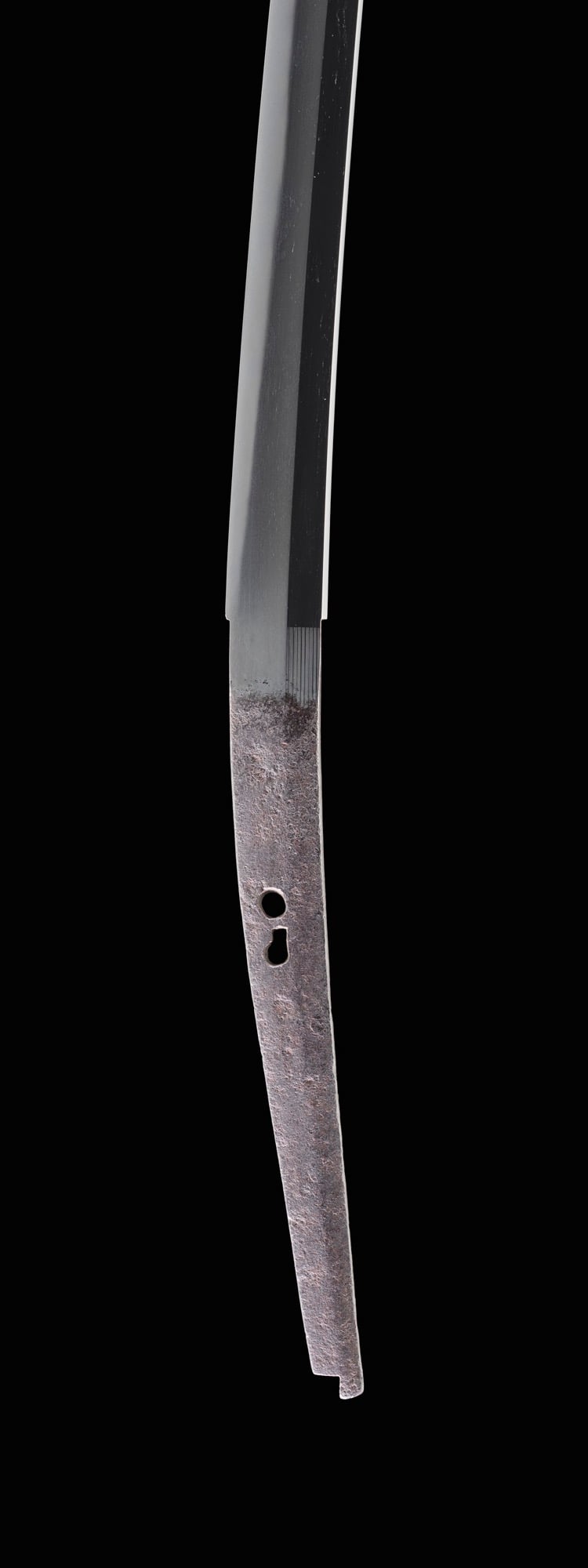
Tradition makes Kuniyoshi the founder of the Rai school, but no secure work of his remains: the real founder is Kuniyuki, who worked in Kyoto in the mid-Kamakura period and was the father of Rai Kunitoshi. He made almost only tachi, wide, with a high koshizori and an ikubi kissaki, or finer and slender, with a dense ko-itame with plenty of ji-nie and a temper of suguha with chōji or of chōji-midare.
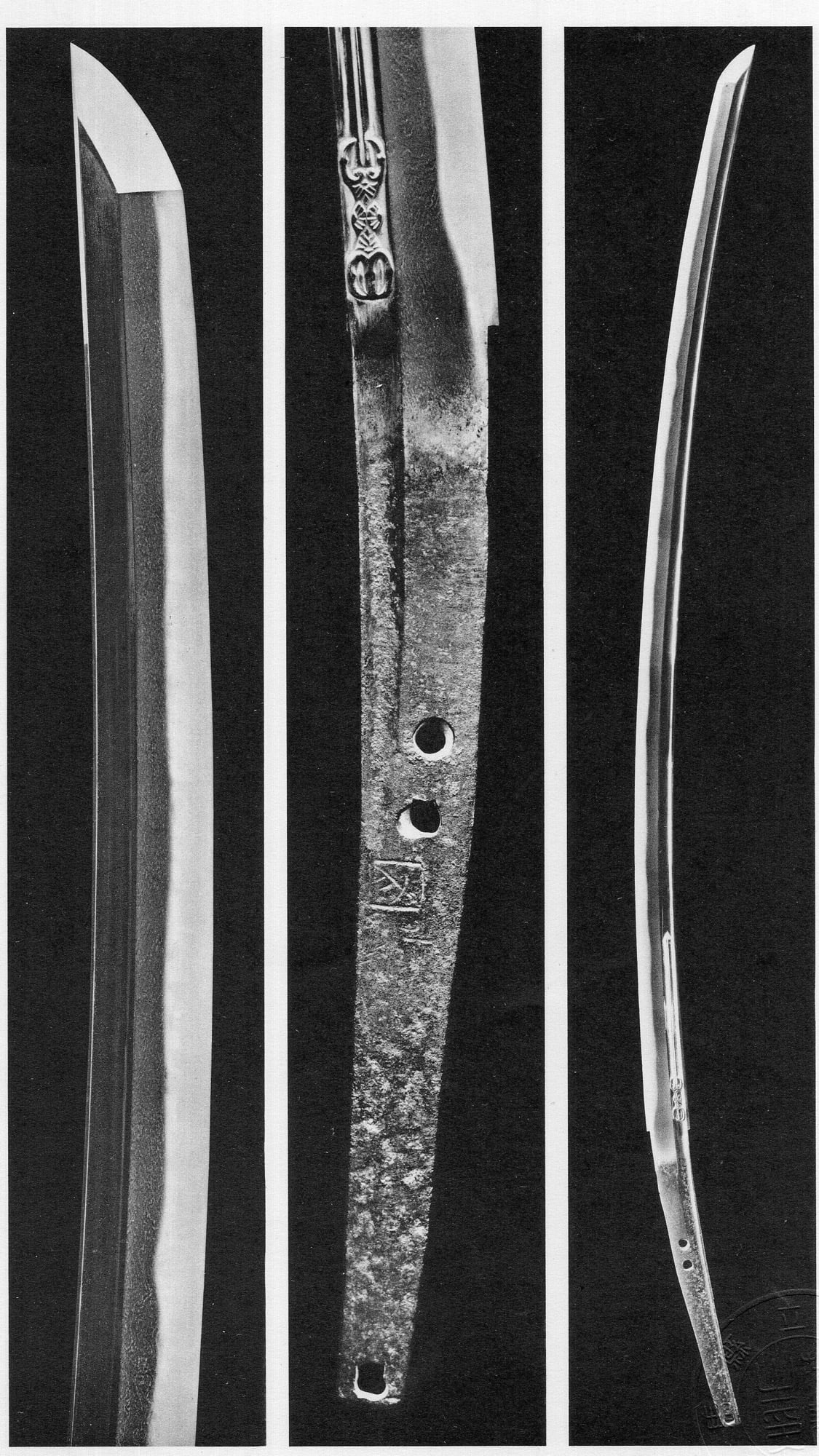
His “Akashi Kuniyuki”, in the Japanese Sword Museum in Tokyo, was designated in 1937 under the old law and has been a National Treasure since 1953. For Markus Sesko, his signed work is abundant for a master of his time: more than two dozen pieces designated by the State, more than 80 NBTHK Jūyō and 17 Tokubetsu Jūyō.
Sections
-
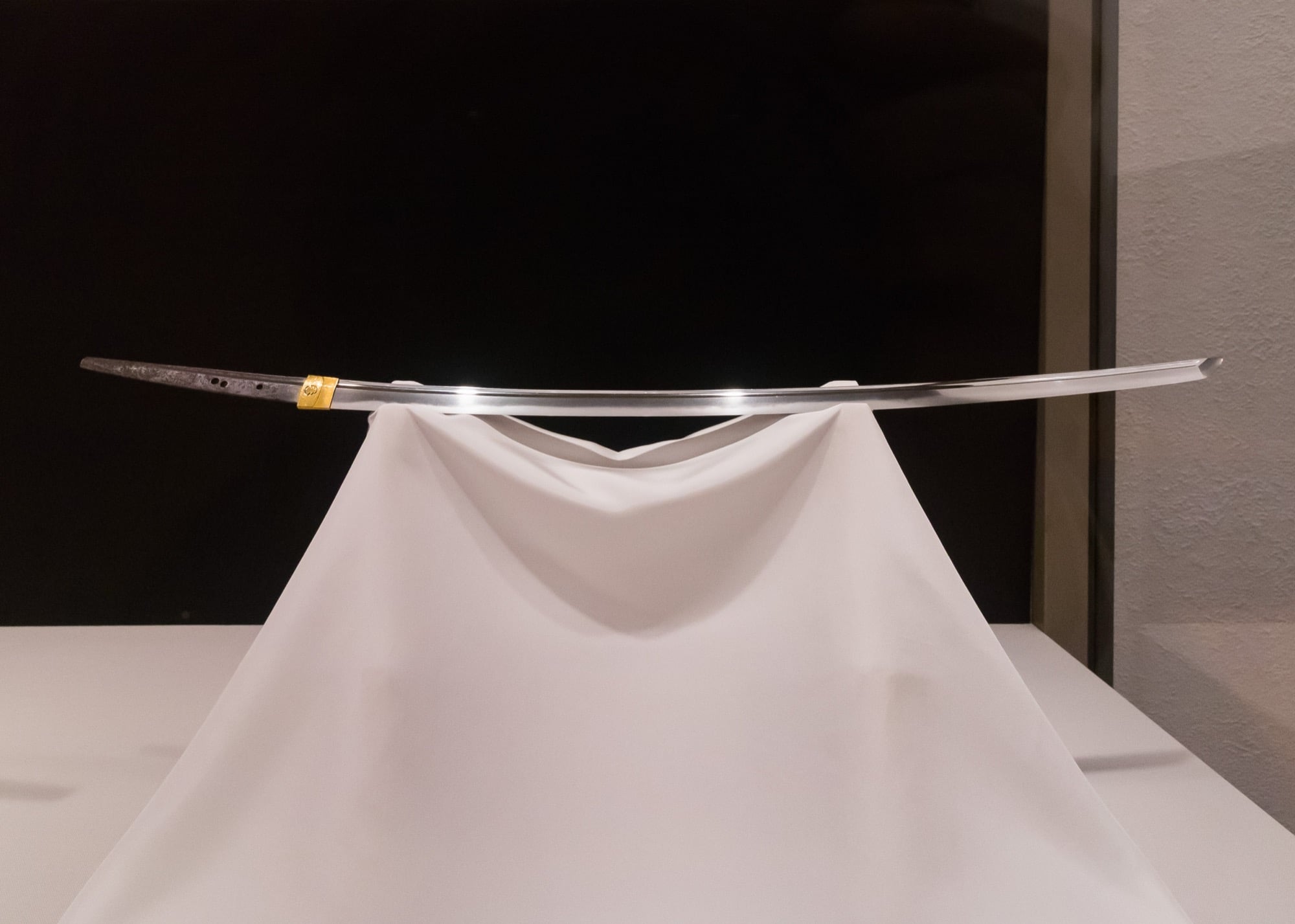 Kyoto, mid-Kamakura
Life and times
The name of the school, his probable dates and his lineage.
-
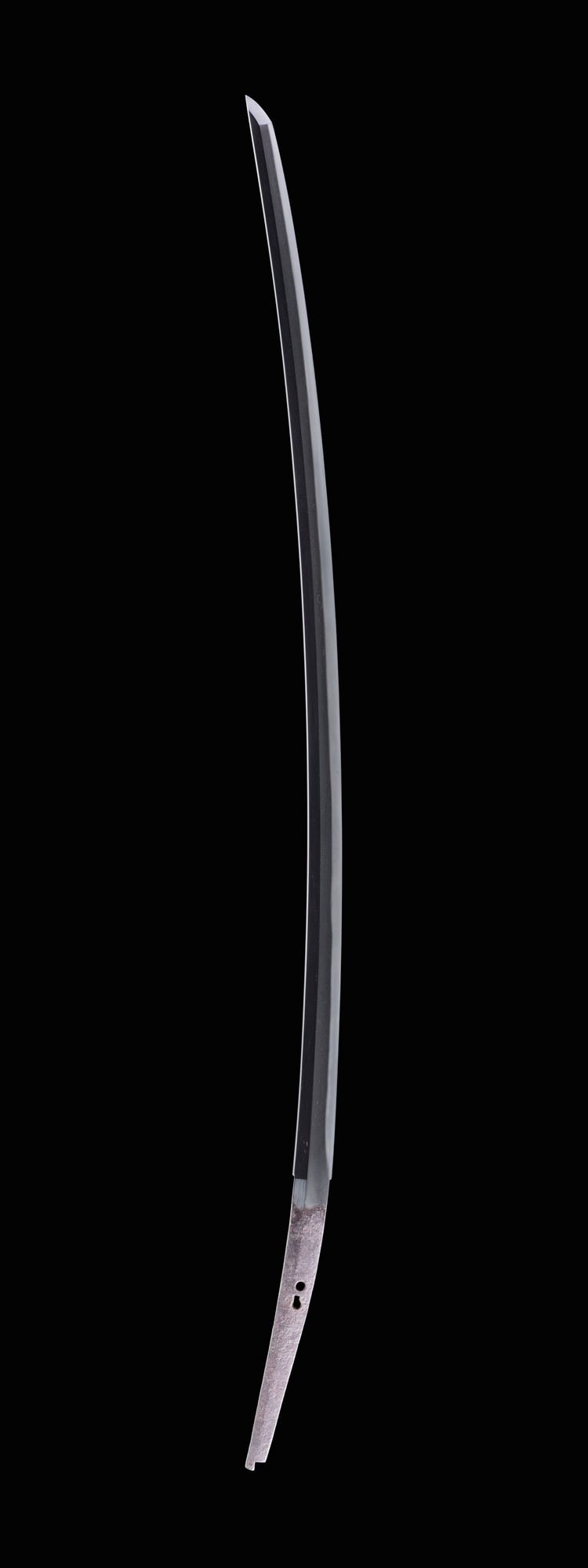 Robust tachi and slender tachi
Work and style
Jihada, hamon, bōshi, sugata, nakago and mei: the keys to recognising him.
-
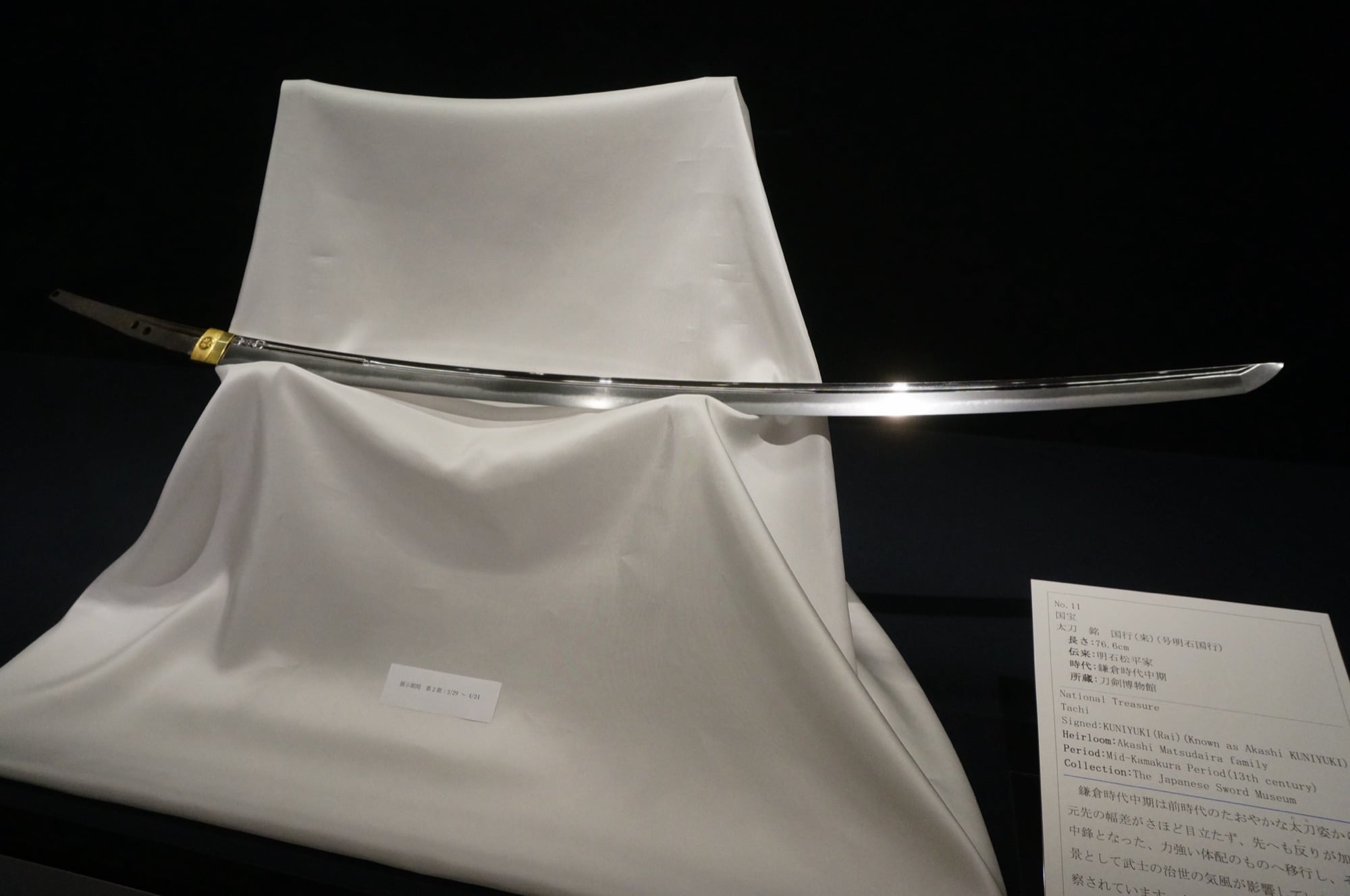 The “Akashi Kuniyuki” and his cultural properties
Famous works
His National Treasure, his Important Cultural Properties and his works in museums and shrines.
-
 Bibliography and credits
Sources
The sources consulted and the image credits.