
On this page
Quick profile
- Name
- Munechika, called 三条小鍛冶 (Sanjō Kokaji) AT
- Kanji and reading
- 三条宗近 (Sanjō Munechika) · 宗近 (Munechika) · 小鍛冶 (Kokaji) AT
- Period
- Heian period; tradition places him around the Eien era (987–989), and the dates given by the sources range from the 10th to the 12th century AT
- Province
- Yamashiro (山城, Yamashiro): the Sanjō quarter, in Kyoto AT
- School
- Founder of the Sanjō school (三条派, Sanjō-ha) AT
- Master
- Not recorded in the sources consulted PC
- Signature
- 三条 (Sanjō) or 宗近 (Munechika), of two characters; the blades signed 三条宗近 (Sanjō Munechika) are held to be false AT
- Documented fact and tradition
- The Mikazuki Munechika and its official record. His dates, his life and the Kogitsune-maru are tradition or legend. AT
In short
What we know. The Mikazuki Munechika, signed 三条 (Sanjō), has been a National Treasure since 1951 and is at the Tokyo National Museum; a tachi signed 三条 (Sanjō) from the Nangū Taisha shrine has been an Important Cultural Property since 1950.
How we know it. From the official records of those blades; the rest is told by old treatises, the researcher Markus Sesko, the Tokyo National Museum and the Japanese Wikipedia.
What we do not know. When he really lived: the Tokyo National Museum dates the Mikazuki to the 12th century, and tradition places him at the end of the 10th.
Sections
-
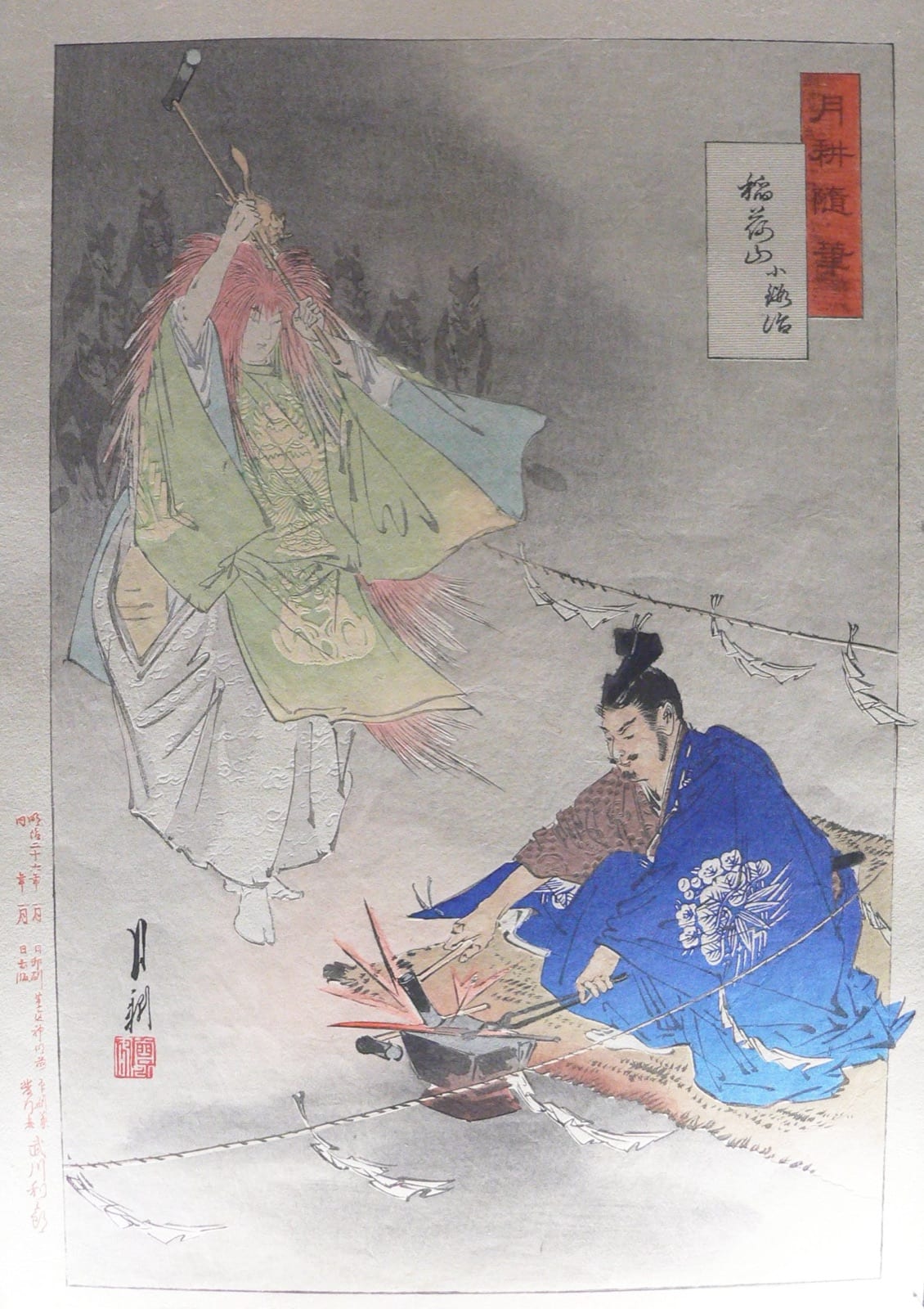 Heian · Sanjō · the legend of the fox
Life and times
The dates given for him, the old texts, the legend of the Kogitsune-maru and the Sanjō school.
-
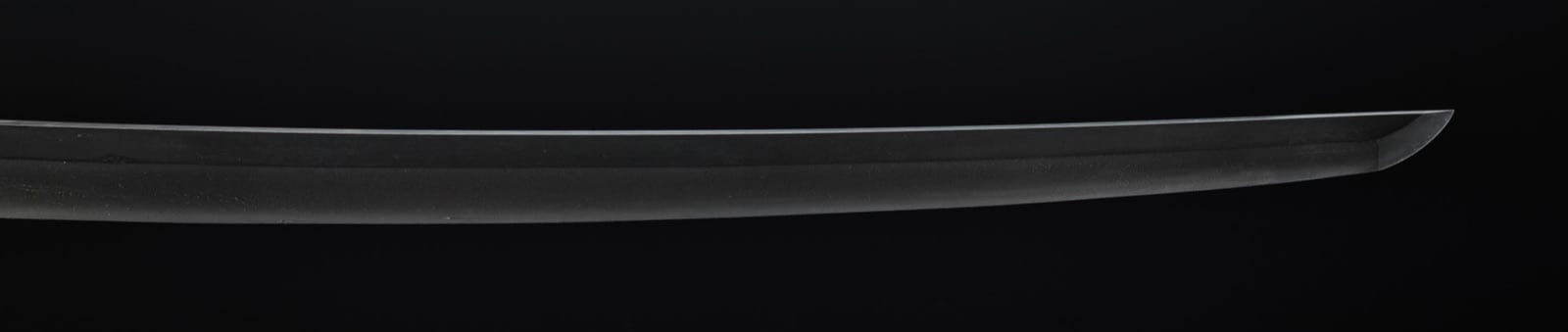 Ko-mokume · ko-midare with uchinoke · two-character signature
Work and style
The kantei points of his work, with the official record of the Mikazuki.
-
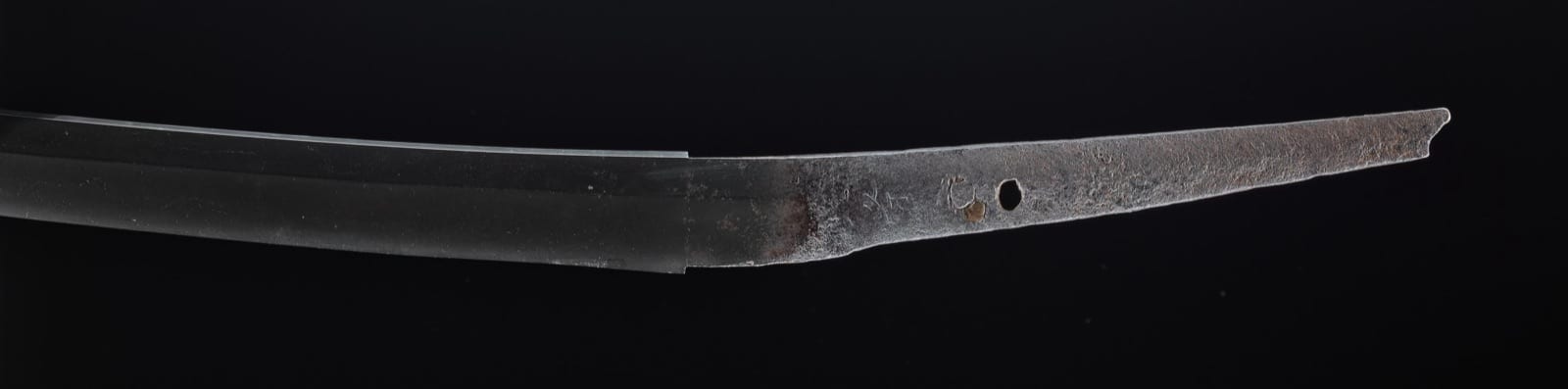 Tenka goken · cultural properties · meibutsu
Famous works
The Mikazuki Munechika, the tachi of the shrines, the one in the imperial collection and the lost meibutsu.
-
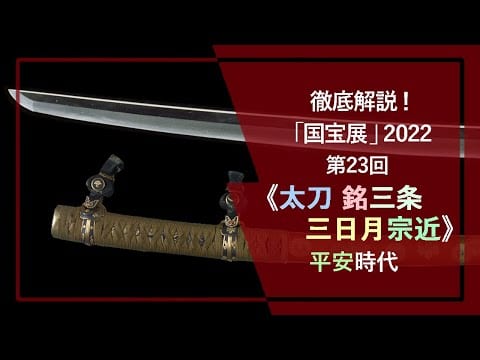 The Mikazuki and the nō “Kokaji”
Videos
Four videos: two on art history, one on the nō “Kokaji” and a visit to the Tokyo National Museum.
-
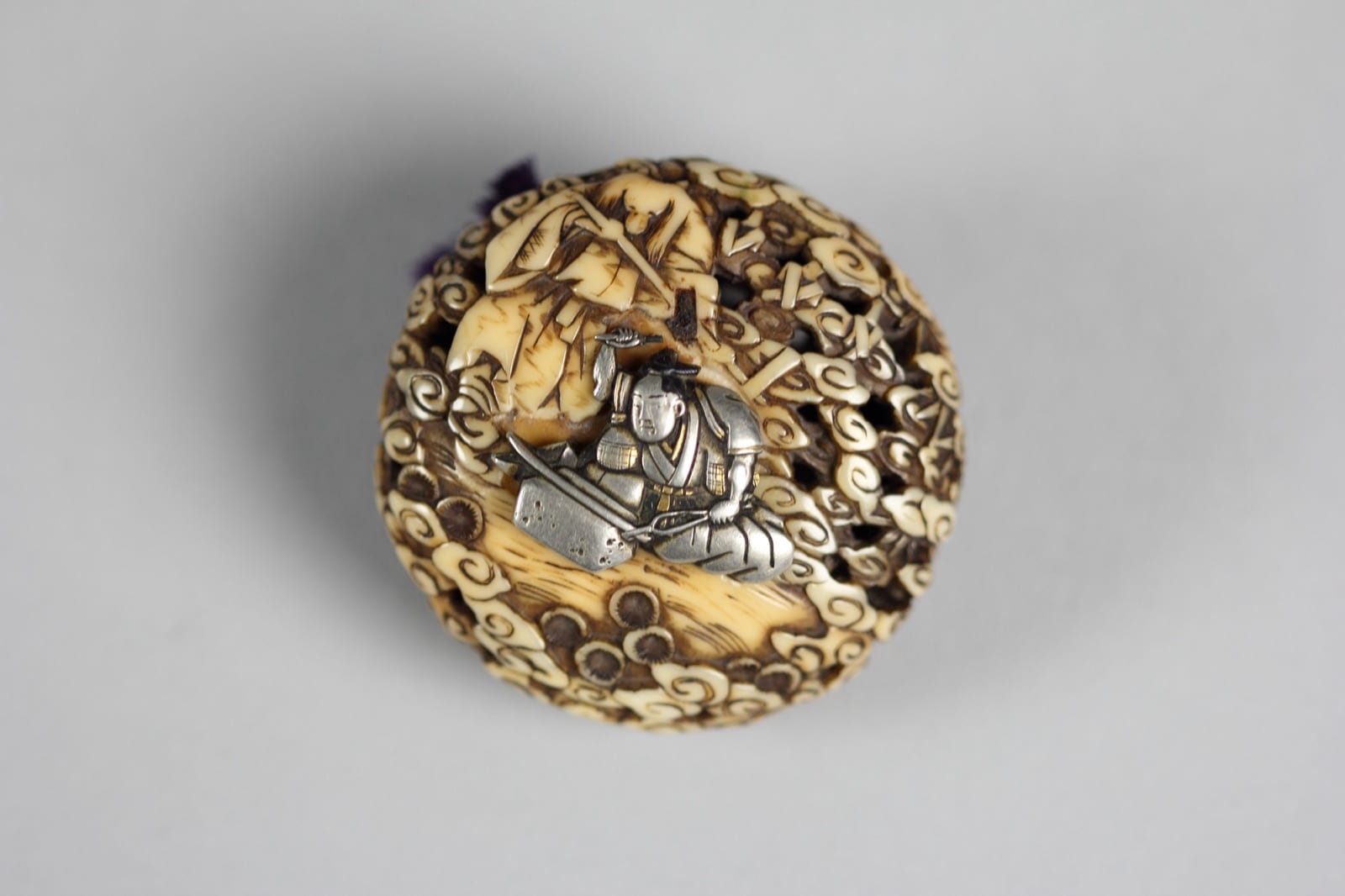 Bibliography and credits
Sources
The sources consulted on 4 October 2026, with their link, and the credit for each image.