On this page
Sword-making in Seki
According to the Heibonsha encyclopaedia, in the Nanbokuchō 金重 (Kaneshige), of Echizen, regarded as a pupil of Masamune, settled in Seki and founded the sword-making that prospered in Muromachi. The 関鍛冶七流の事 (Seki kaji shichiryū no-koto) of the Kasuga shrine divides the descendants of Kanemitsu into seven lineages, among them the Zenjō, whose master was 兼吉 (Kanekichi). From the mid-Muromachi period there are also masters in Hachiya, Akasaka and Shimizu, and the whole group is called Sue-Seki (末関, Sue-Seki); Kanefusa is one of the names cited in it.
The Zenjō line
A 1980 study by the Gifu Prefectural Museum places Kanefusa in the line of Zenjō Kanekichi, whose clan includes swordsmiths such as Kanenobu and Kanefusa, who prospered in Muromachi. The Japanese Wikipedia cites Kanefusa among the famous swordsmiths of Mino in the Sengoku period, with Kanesada, Kanemoto, Kanetsune, Kanesaki and Kanemichi, when Mino and Bizen were the two great sword-producing areas.
The generations
In the sources consulted there is no reliable list of the old generations. The dates given for the first do not agree: some place it in the Eikyō era (1429–1441) and others in 1455 (Kōshō 1), and none of them comes from a scholarly source. A katana signed Kanefusa is known that would bear the date of the ninth year of Eishō (1512); it remains to be checked on the tang itself.
Wakasa no Kami Ujifusa
According to the NBTHK (Sword Journal no. 823, of 2025, in a commentary by Ōi Gaku), Wakasa no Kami Ujifusa (若狭守氏房, Wakasa no Kami Ujifusa) began by signing 兼房 (Kanefusa), the name of his father and of his grandfather, and in 1556 inherited from his elder brother, 石見守国房 (Iwami no Kami Kunifusa), the headship of the swordsmiths of Seki. The same NBTHK calls Kanefusa “the head of Seki”.
The Kanefusa of today
The Japanese Sword Index gives as the 23rd Kanefusa a smith born in 1900 and a pupil of Katō Jumyō, who won first place in the 6th sword exhibition of 1941 and appeared in 1942 in Kurihara Akihide’s banzuke of swordsmiths; it adds that the line continues today with the 25th Kanefusa. Videos from 2012 and 2023 show the 25th and the 26th Kanefusa forging in their forge in Seki.
A katana by Kanefusa
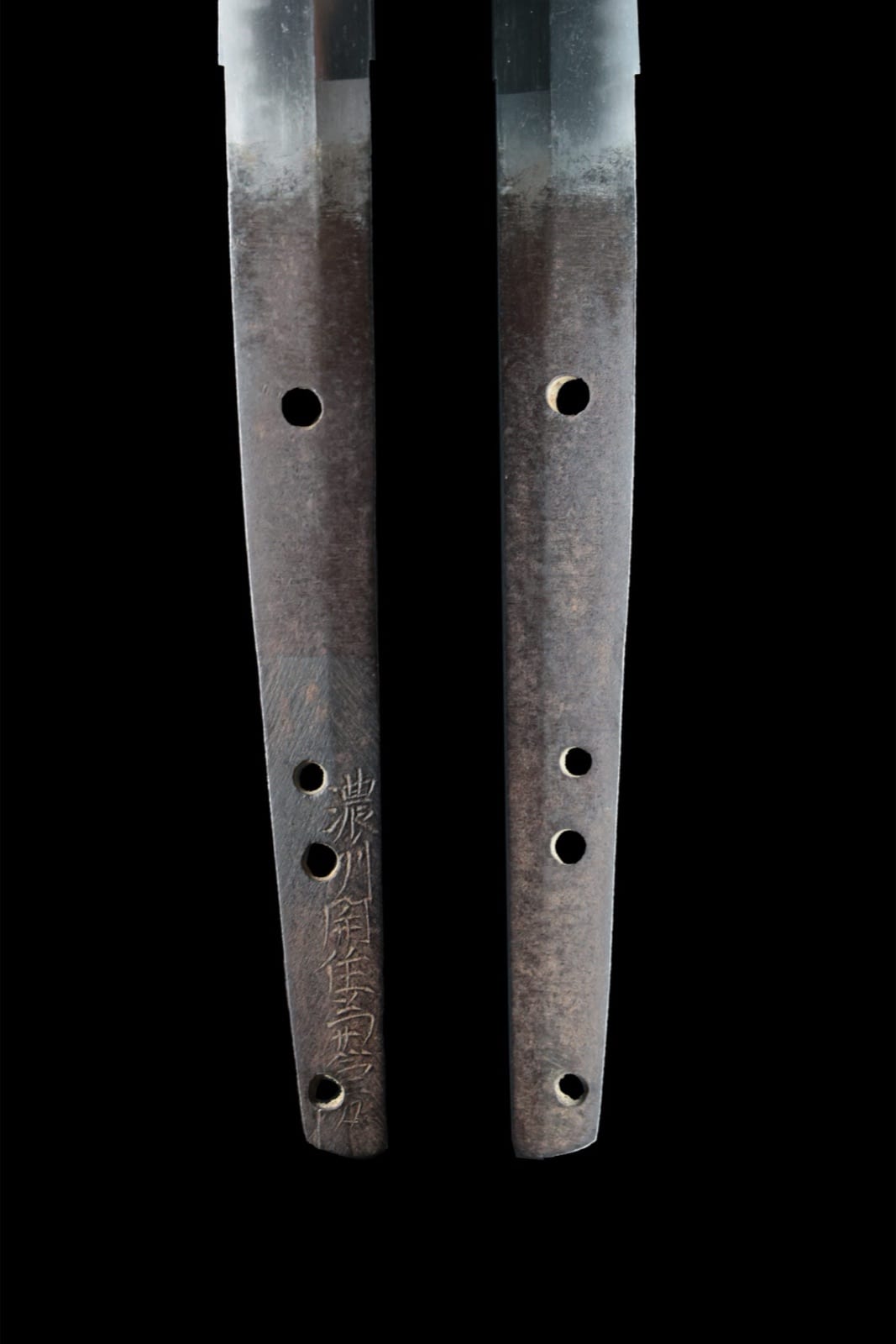
The tang of a katana with the signature of Kanefusa, which begins with 濃州関住 (Nōshū Seki jū, “resident of Seki, in Mino”). Photo: dealer in Japan 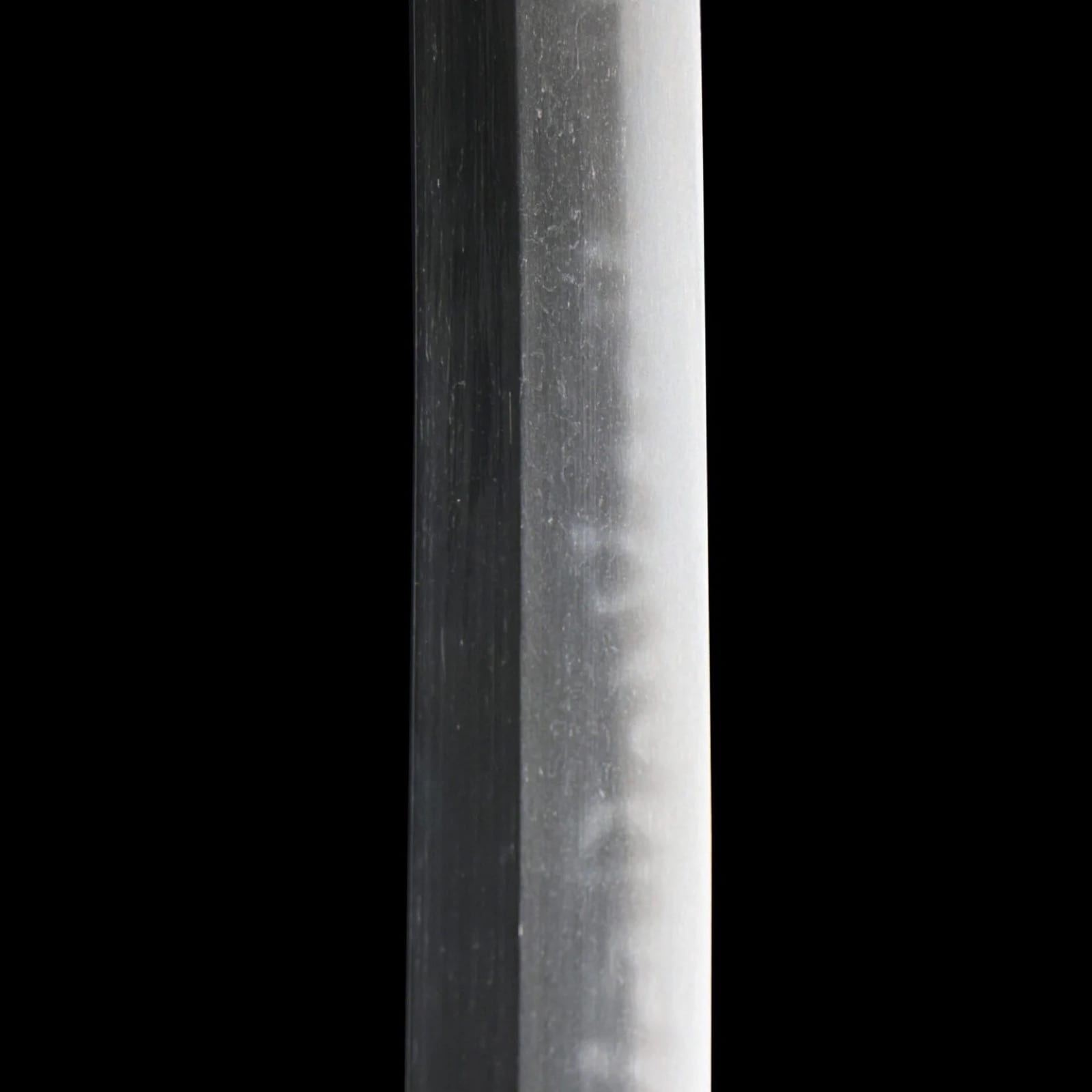
The temper of the same katana, in gunome-chōji. Photo: dealer in Japan 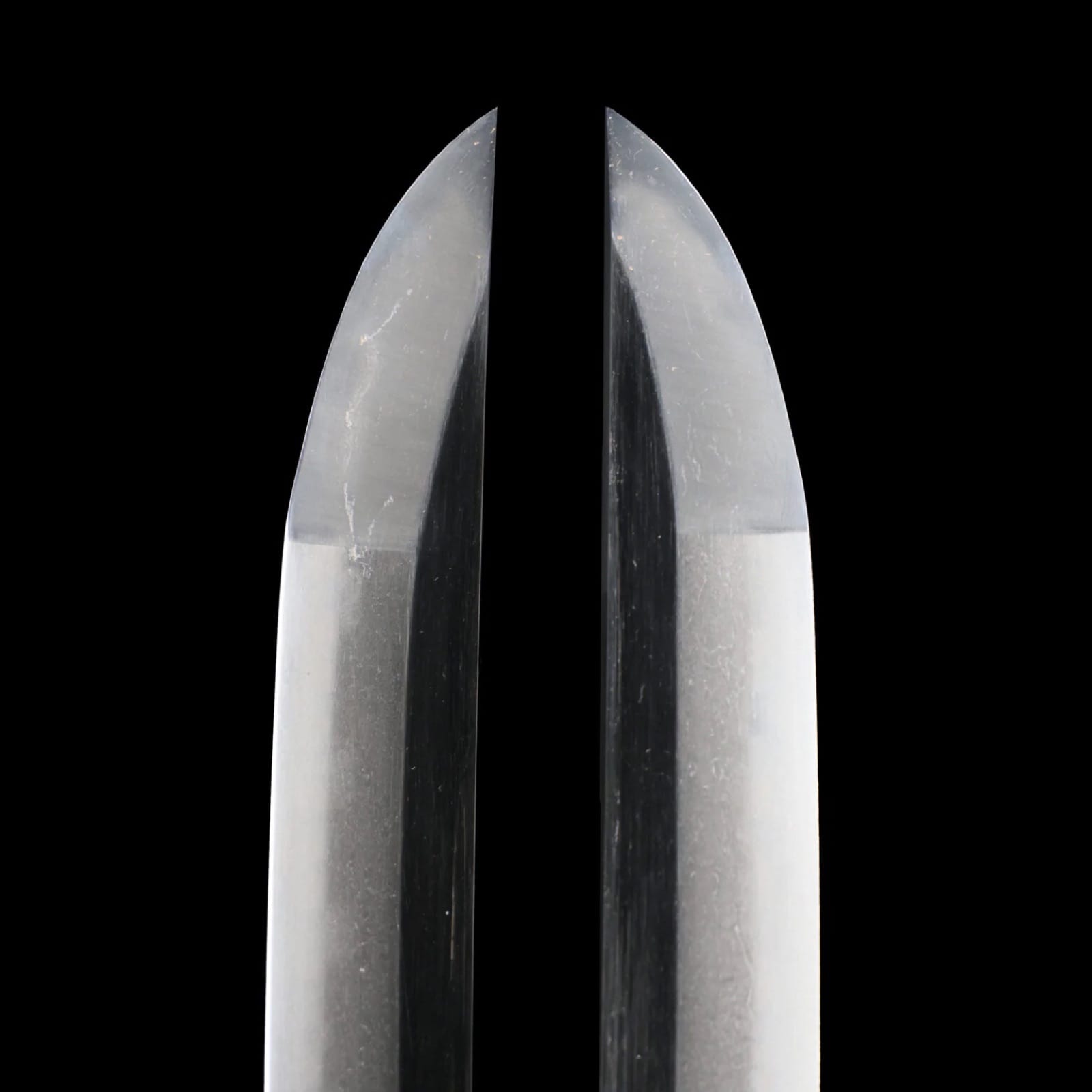
The point of the same katana, from both faces. Photo: dealer in Japan