On this page
Quick profile
- Name
- Ozaki Suketaka AT
- Kanji and reading
- 尾崎助隆 (Ozaki Suketaka) AT
- Period
- End of the 18th century and beginning of the 19th (shinshintō). A wakizashi of his is dated the eighth month of 1797 (Kansei 9). AT
- Province
- Settsu (摂津), in Ōsaka, by his school; Sesko also relates that he trained swordsmiths from Tokushima in Edo II
- School
- Ōsaka shintō: Sesko counts him among its masters, with Sukehiro, Ikkanshi Tadatsuna and Shinkai AT
- Master
- Not recorded in the sources consulted PC
- Title
- Not recorded in the sources consulted PC
- Rank
- He does not appear in the wazamono lists. The Ōsaka Suketaka (助高) on those lists is a different swordsmith. PC
- Documented fact and tradition
- Documented: no work of his in the national museums or in Bunka Isan Online; the NBTHK names him among the swordsmiths who recreated Sukehiro’s tōran-ba. Tradition: no legend of his own in the sources consulted. AT
In short
Tsuda Echizen no Kami Sukehiro created the tōran-ba in Ōsaka in the Kanbun era (1661-1673), and many shinshintō swordsmiths sought to recreate it. The NBTHK distinguishes two families: those of Suketaka, Katō Tsunahide and Tsunatoshi follow Sukehiro’s pattern; those of Tegarayama Masashige and Ichige Tokurin, that of Suishinshi Masahide. His jihada is so fine that it is sometimes described as nashiji, like that of the great Ōsaka masters.
Sections
-
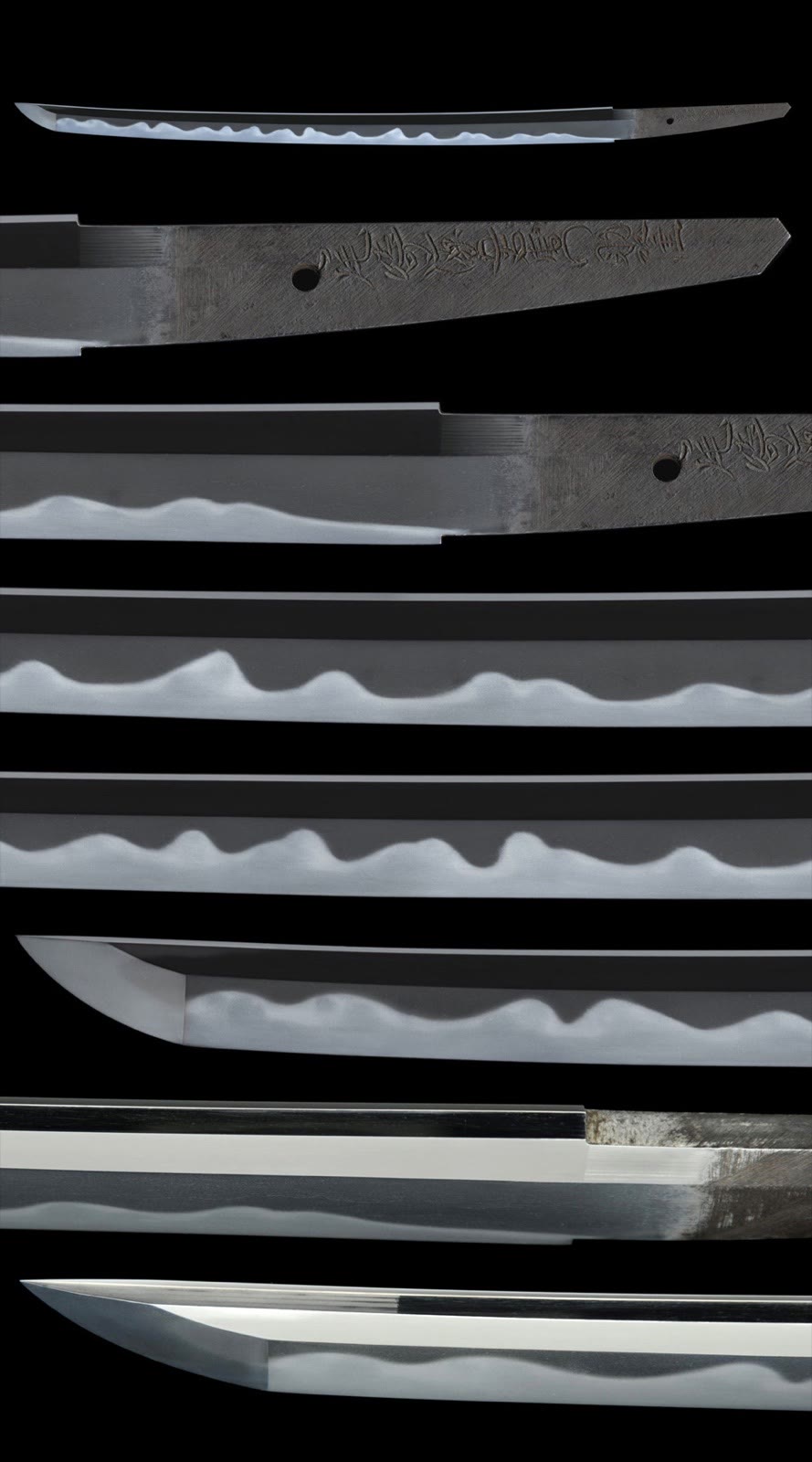 Ōsaka and Edo
Life and times
His dates, his school and the swordsmiths of Tokushima.
-
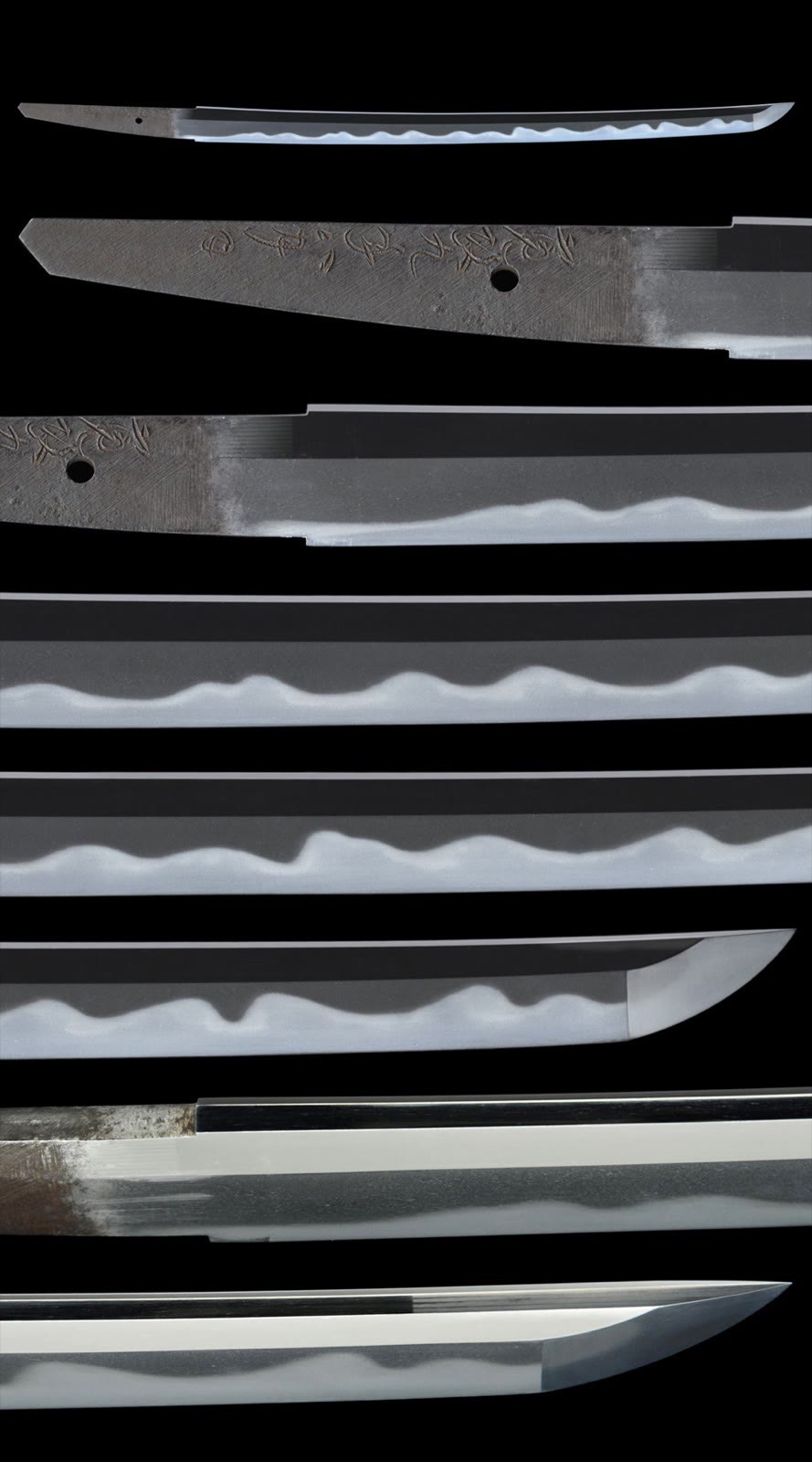 Sukehiro’s tōran-ba
Work and style
The tōran-ba, the jihada and how to tell him from the other imitators of Sukehiro.
-
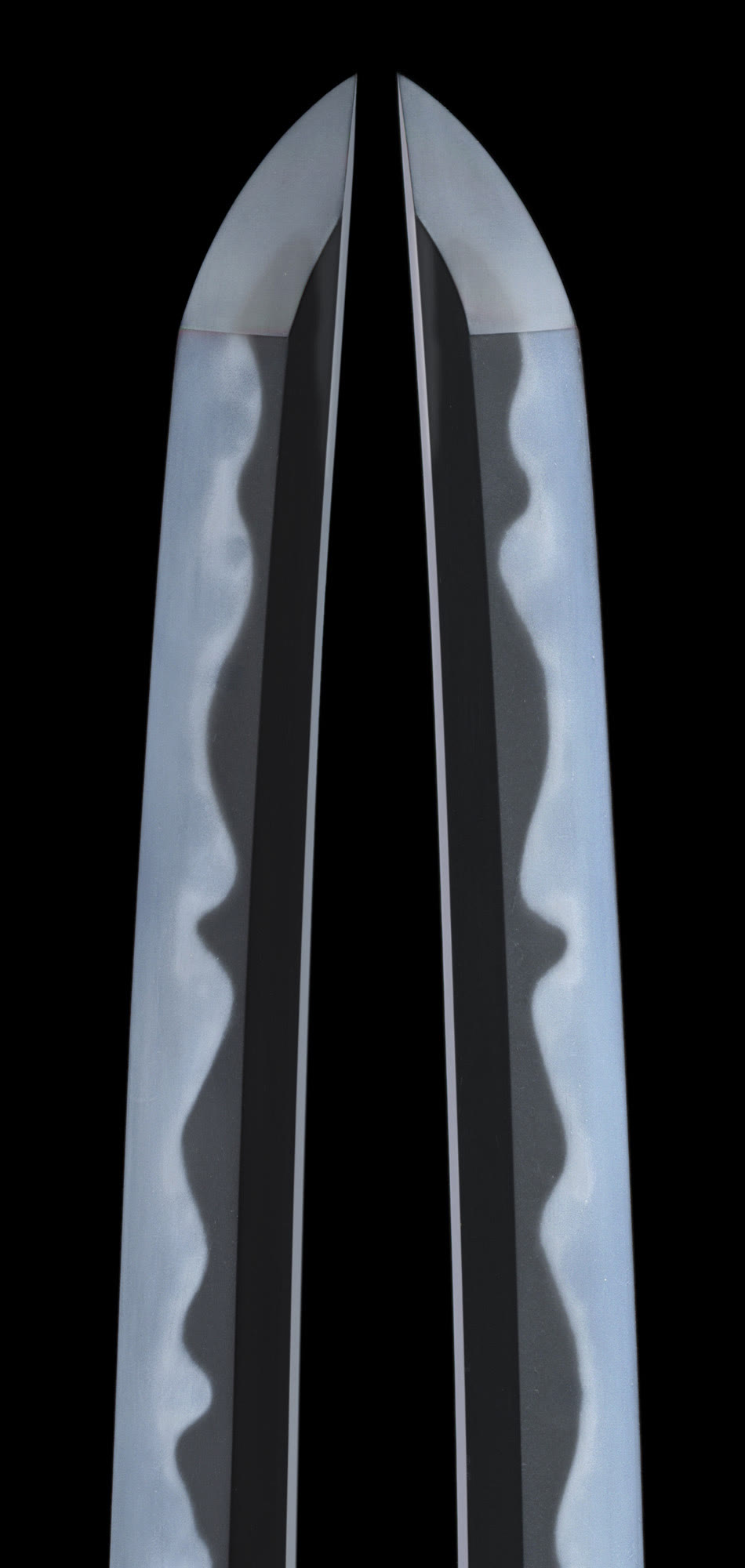 No works in national museums
Famous works
In museums, in the official databases and in the lists.
- Bibliography and credits Sources The sources consulted on 5 October 2026, with their link, and the credit for each image.