On this page
Quick profile
- Name
- Sukezane; also called Tōgenji, 藤源次助眞 (Tōgenji Sukezane), and Kamakura Ichimonji AT
- Kanji and reading
- 助真 (Sukezane) HD
- Period
- Mid-Kamakura; birth and death unknown AT
- Province
- Bizen and, according to tradition, Kamakura, in Sagami AT
- School or tradition
- Fukuoka Ichimonji, of Bizen AT
- Father
- 助成 (Sukeshige) according to the Nihon jinmei daijiten+Plus; 助房 (Sukefusa) according to the Nihon kokugo daijiten AT
- Documented fact and tradition
- Documented: his signed blades and his two National Treasures. Tradition: his father, his move to Kamakura and his place among the Sagami swordsmiths. AT
In short
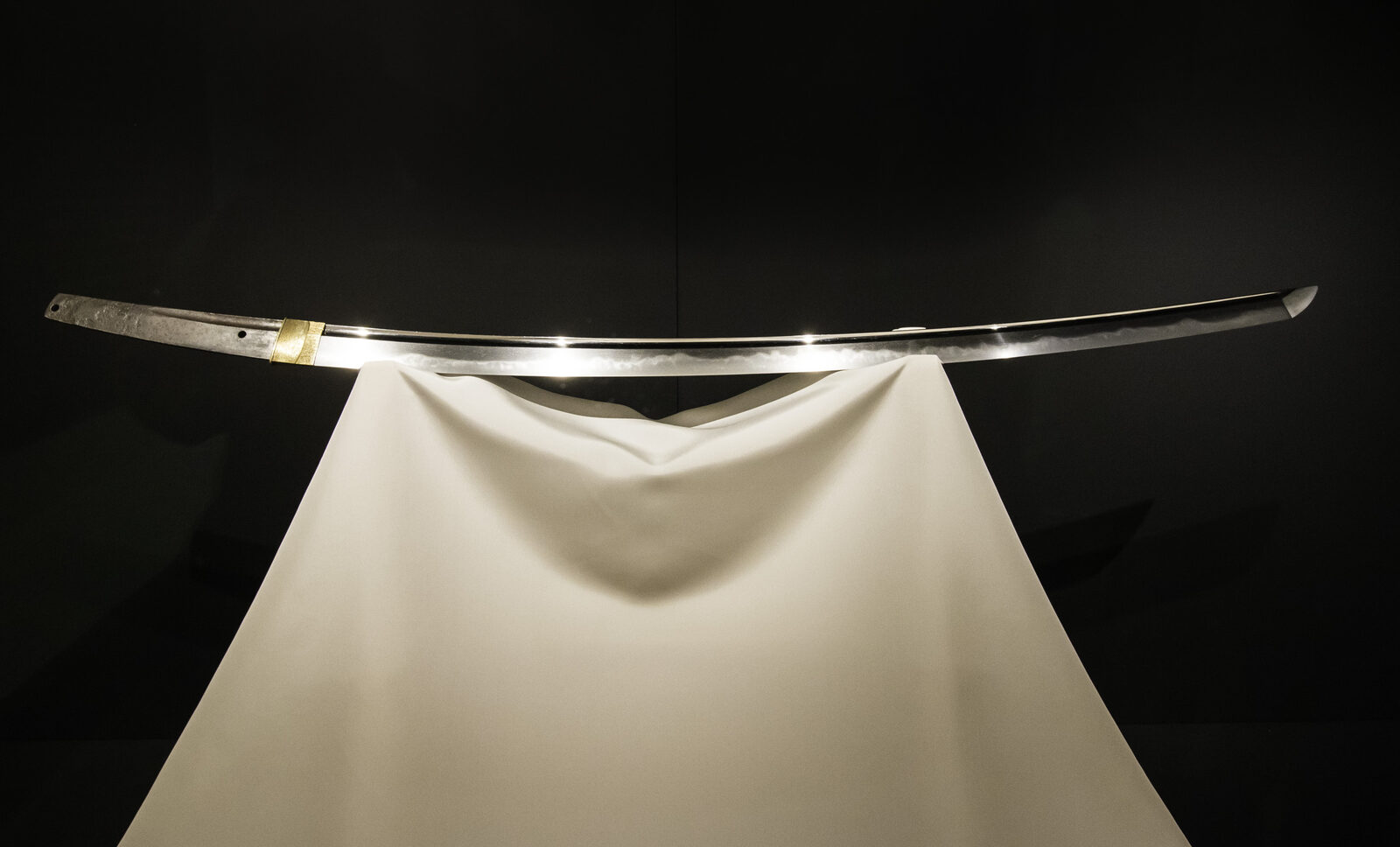
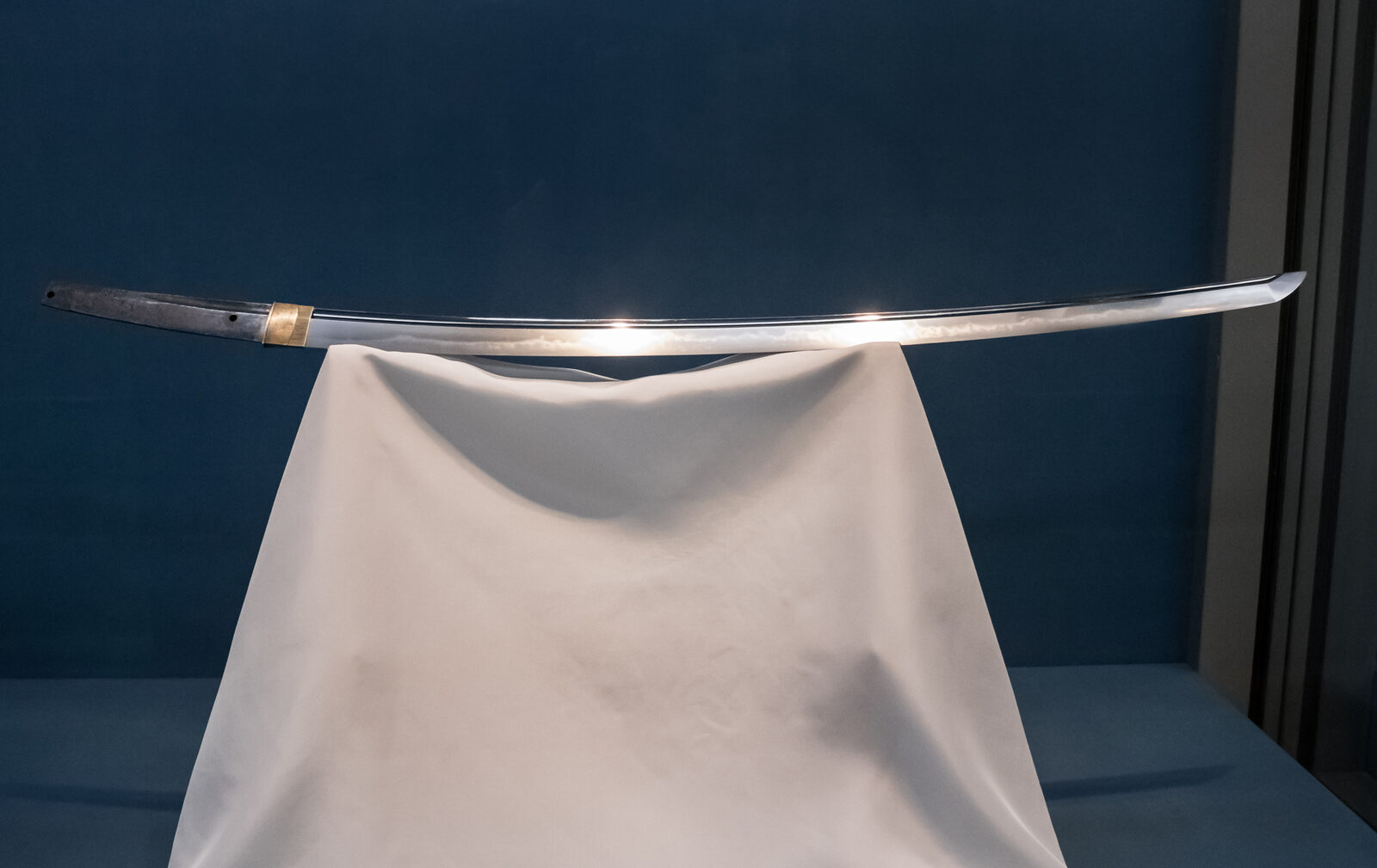
What we know. The database of cultural properties of the Agency for Cultural Affairs (文化庁, Bunkachō) describes the Nikkō Sukezane, a National Treasure since 1951, and the e-Museum of the Tokyo National Museum his other National Treasure tachi; both bear his two-character signature.
How we know it. His life is tradition: none of it is dated. It comes from the Japanese Wikipedia, the dictionaries and Markus Sesko’s commentaries, which do not always agree.
What we do not know. The official records of his Important Cultural Properties, which are given here according to the Japanese Wikipedia.
Sections
-
 Bizen · Kamakura · Sagami
Life and times
His school, his father according to two different dictionaries, and his move to Kamakura, told in two ways.
-
 Chōji-midare · nie · ikubi-kissaki
Work and style
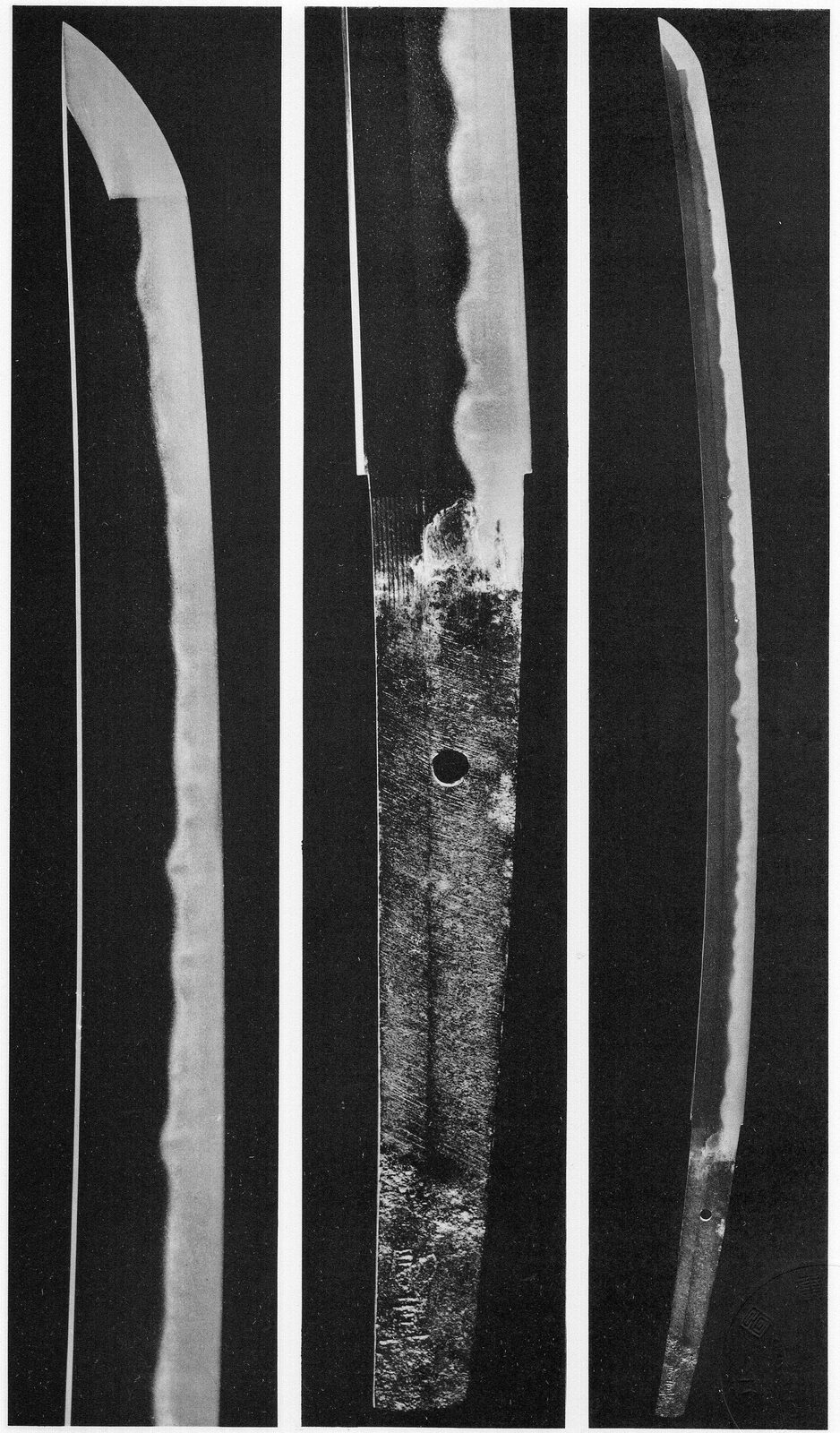
The kantei keys of the Nikkō Sukezane: the steel, the temper, the point, the shape, the tang and the signature.
-
 Nikkō Sukezane · National Treasures
Famous works
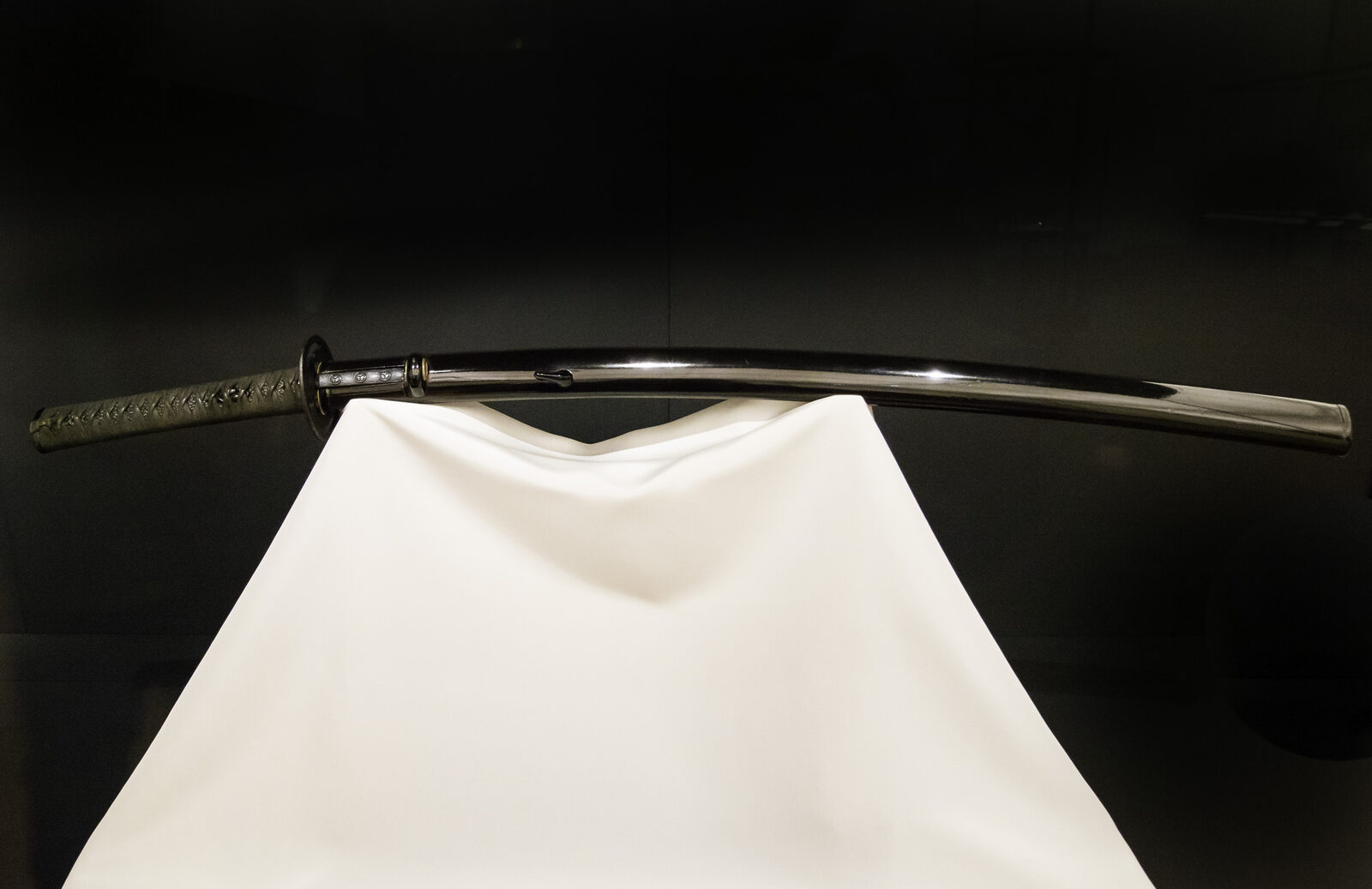
His two National Treasures, his Important Cultural Properties and what the treatises say about him.
-
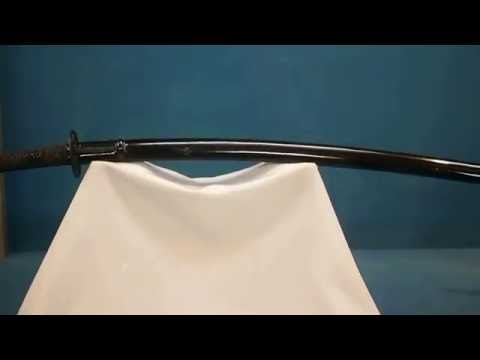 Tokyo National Museum
Videos
Two short videos by visitors: the tachi of the Tokyo National Museum in its display case.
-
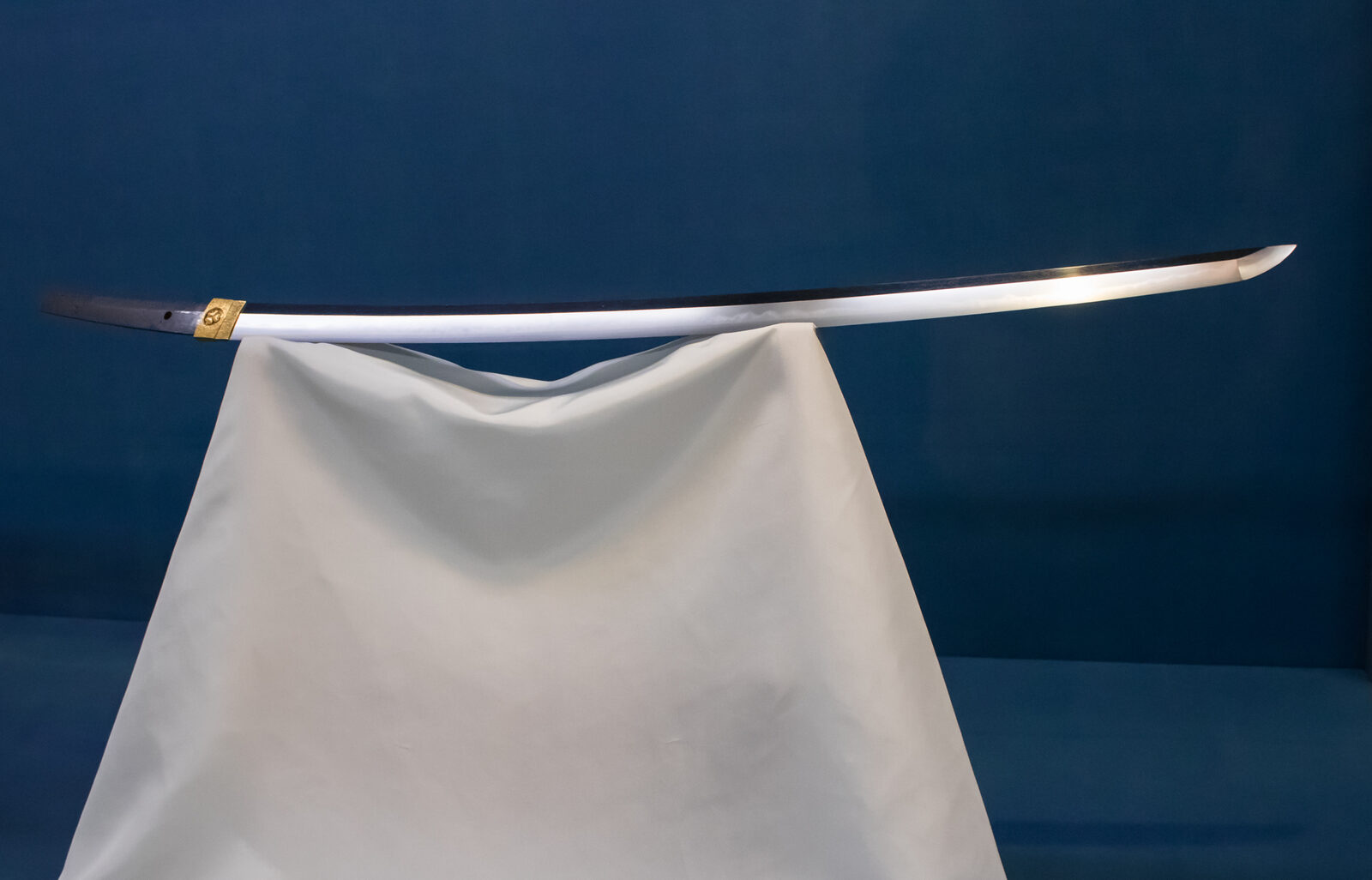 Bibliography and credits
Sources
The sources consulted on 4 October 2026, with their link, and the credit for each image.