On this page
Quick profile
- Name
- Tametsugu; also Ko-Aoe Tametsugu, 古青江為次 (Ko-Aoe Tametsugu) AT
- Kanji and reading
- 為次 (Tametsugu) HD
- Period
- Between the late Heian and the early Kamakura period, according to the Japanese Wikipedia; Kamakura, according to the official record of the Kitsunegasaki AT
- Province
- Bitchū: Aoe, today in Kurashiki (Okayama) AT
- School or tradition
- Ko-Aoe (古青江, Ko-Aoe), the first stage of the Aoe school AT
- Master
- Not on record in the sources consulted PC
- Documented fact and tradition
- Documented: the Kitsunegasaki, its signature and its designation. Tradition: that Kikka Tomokane carried it in the battle of 1200. AT
In short
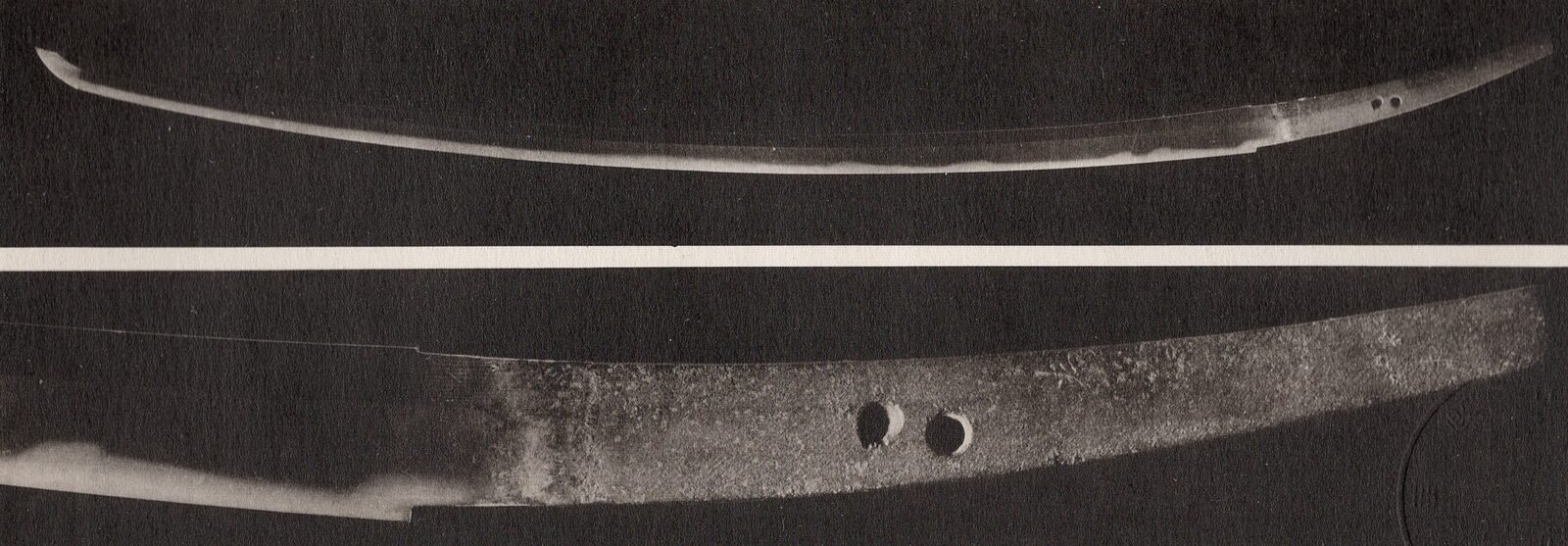
What we know. The database of cultural properties of the Agency for Cultural Affairs (文化庁, Bunkachō) describes the tachi 銘為次 (mei Tametsugu), called Kitsunegasaki, a National Treasure with its mounting since 1951, and regards it as the best work of its maker.
How we know it. The rest comes from the Japanese Wikipedia, the dictionaries and Markus Sesko. Nothing of his life is documented: only the tradition of a battle in 1200 and a tachi.
What we do not know. No other work signed Tametsugu appears in the sources consulted, nor what the old treatises say about the Kitsunegasaki.
Sections
-
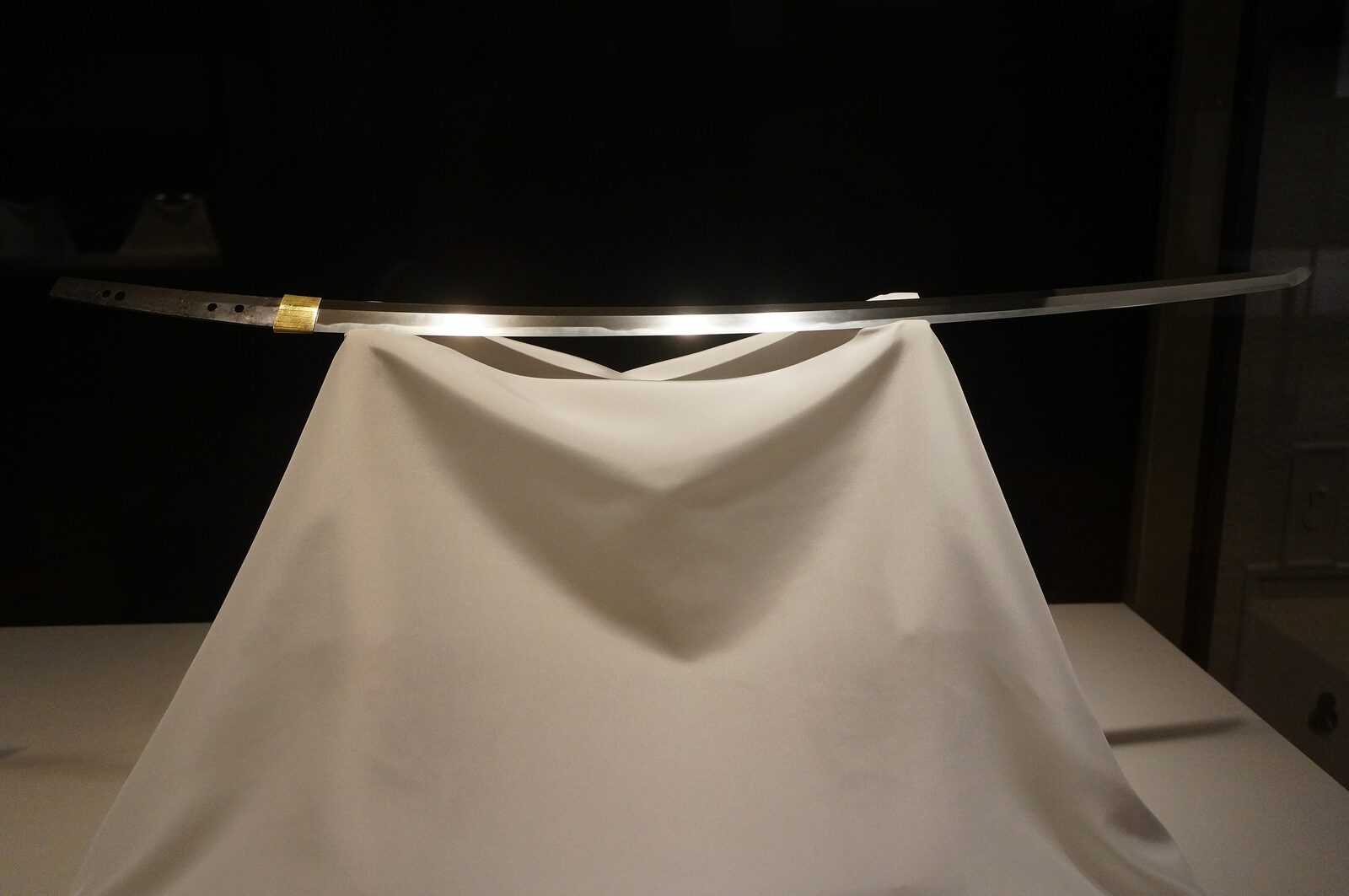 Bitchū · Aoe · Heian and Kamakura
Life and times
His school, that of Aoe, and why it is not clear when he worked.
-
 Koshizori · sumi-hada · ko-midare
Work and style
The kantei keys of the Kitsunegasaki: the steel, the temper, the point, the shape, the tang and the signature.
-
 Kitsunegasaki · National Treasure
Famous works
The Kitsunegasaki: its battle of 1200, according to tradition, eight centuries in the Kikkawa family and its original mounting.
-
 Kikkawa Historical Museum
Videos
Two short videos by the Kikkawa Historical Museum itself.
-
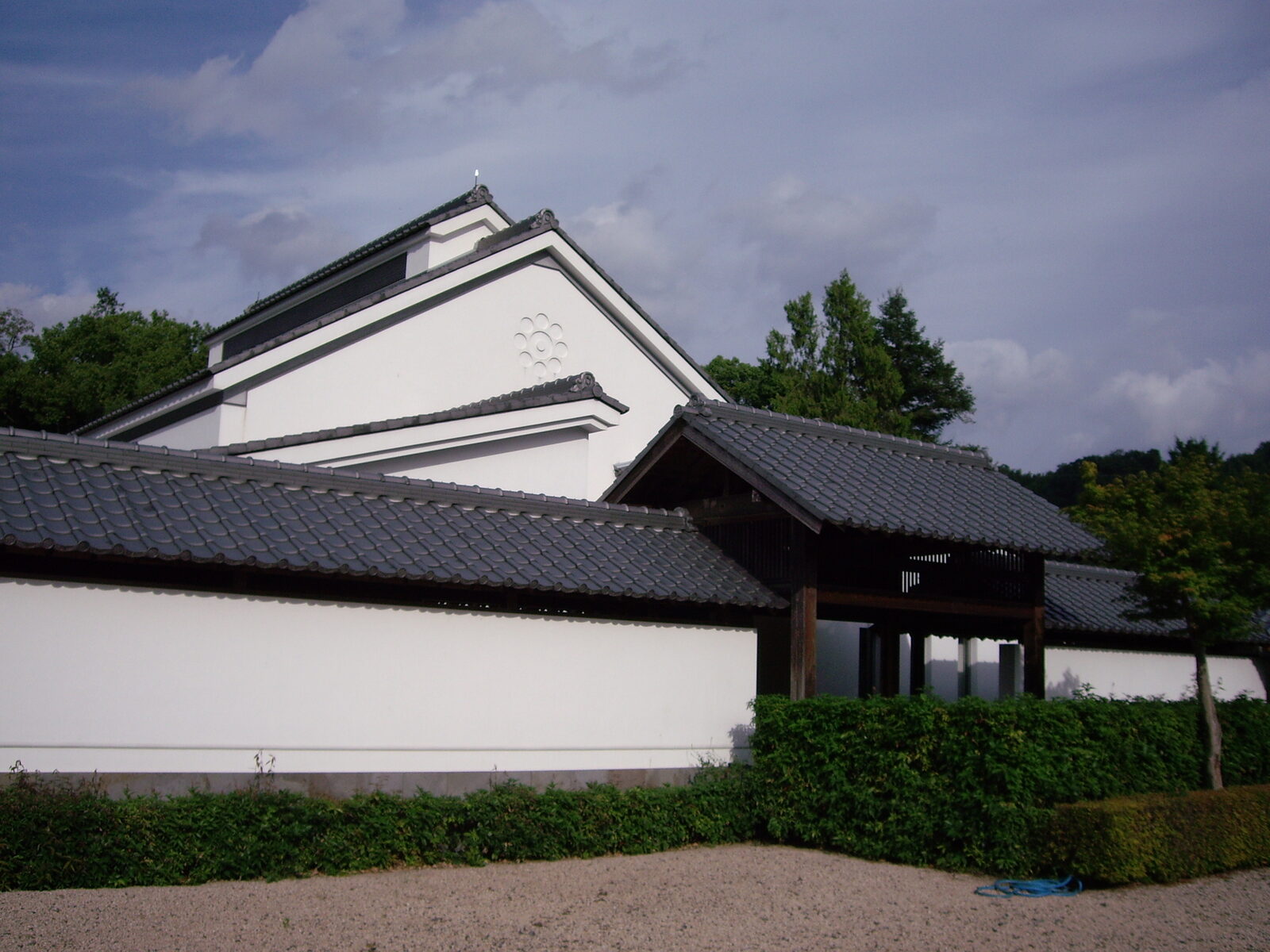 Bibliography and credits
Sources
The sources consulted on 4 October 2026, with their link, and the credit for each image.