
On this page
Quick profile
- Name
- Tsuda Ōmi no Kami Sukenao HD
- Kanji and reading
- 津田近江守助直 (Tsuda Ōmi no Kami Sukenao) HD
- Period
- Shintō, from the Kanbun era to the Genroku era HD
- Province
- Born in Ōmi (近江), in Takagi; worked in Osaka, in the province of Settsu (摂津) HD
- School
- Osaka shintō, in the line of Tsuda Sukehiro AT
- Master
- Tsuda Echizen no Kami Sukehiro (津田越前守助広), the second of that name, according to the Fuji Art Museum and the Tokyo National Museum HD
- Title
- Ōmi no Kami (近江守), in 1669 (Kanbun 9), according to the Fuji Art Museum HD
- Cutting rank
- yoki-wazamono (良業物), third grade of the Yamada cutting list; komusubi of the west in Tomita Kiyama’s ranking (1933, published in 1935) AT
- What is documented
- Blades dated from 1678 to 1693 in museums and at the NBTHK; the title in 1669 and the Tsuda signature from 1682, according to the Fuji Art Museum HD
- The tradition
- That he married a sister of Sukehiro; the Nipponica encyclopaedia instead makes him his adopted son AT
- What is not on record
- The year of his death PC
In short
According to the Tokyo Fuji Art Museum, Sukenao follows the tōran-ba that Sukehiro created, but more orderly and cleaner in appearance, and a step behind in energy; in his best blades he comes close to the master. For the NBTHK, his traits are a straight yakidashi at the base, in the Osaka style, and an o-gunome midare in which the peaks and valleys differ little and the valleys are wide. The Yamada cutting list places him among the yoki-wazamono, and Tomita Kiyama’s ranking just below his master.
Sections
-
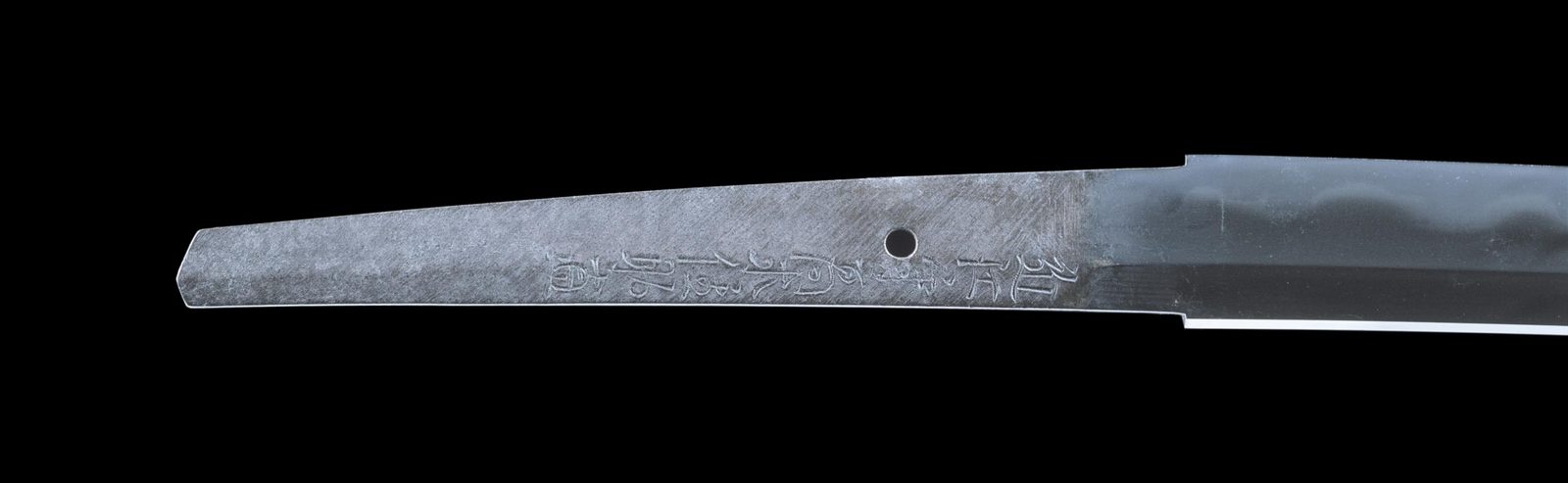 From Ōmi to Osaka
Life and times
His origins, his master, the title of Ōmi no Kami and the surname Tsuda.
-
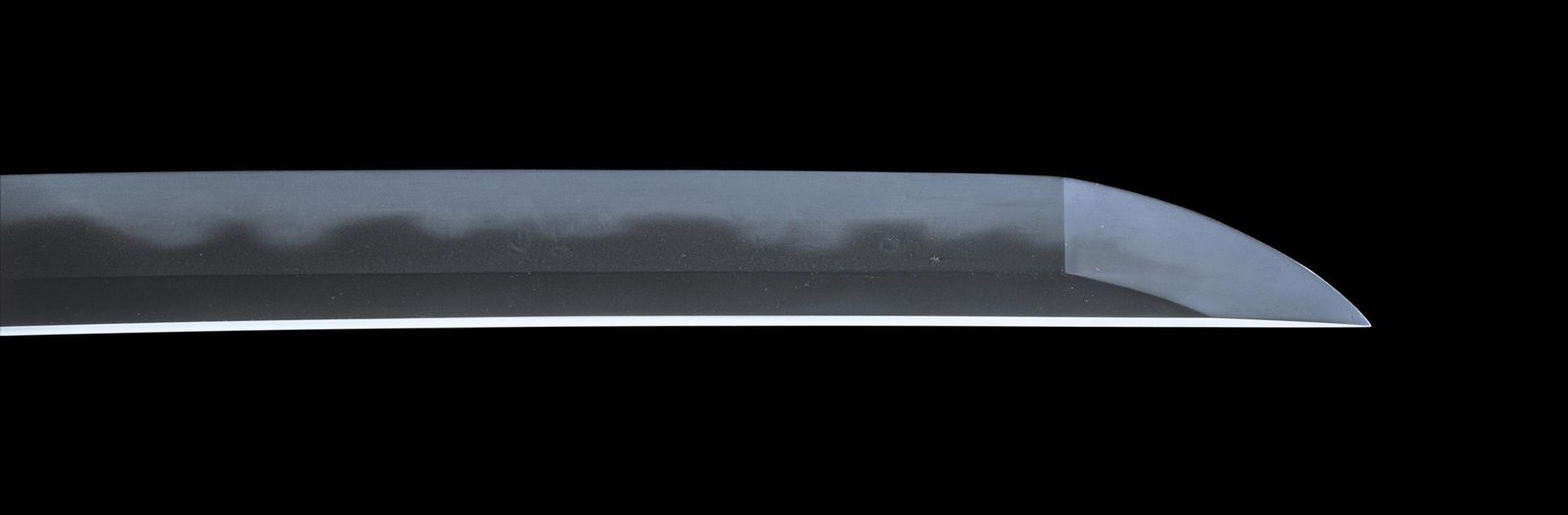 Kantei keys
Work and style
Sugata, jihada, tōran-ba, bōshi, nakago and mei, and how to tell him apart from his master.
-
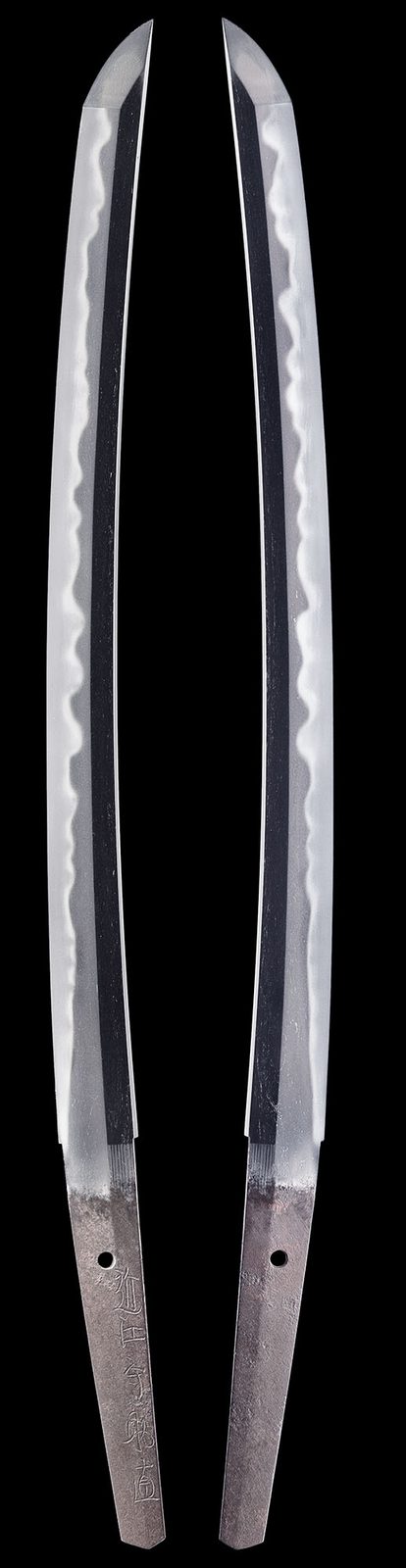 In museums and lists
Famous works
His blades in museums and his place in the cutting lists and in Tomita’s ranking.
-
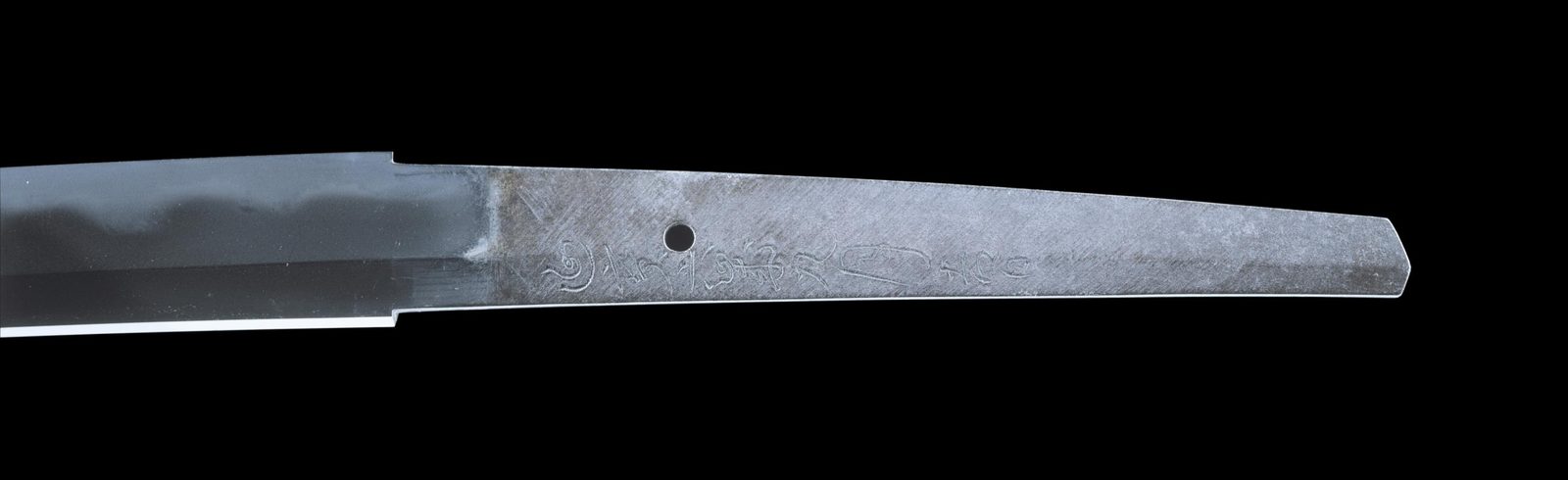 Bibliography and credits
Sources
The sources consulted and the image credits.